
Last updated November 15, 2026
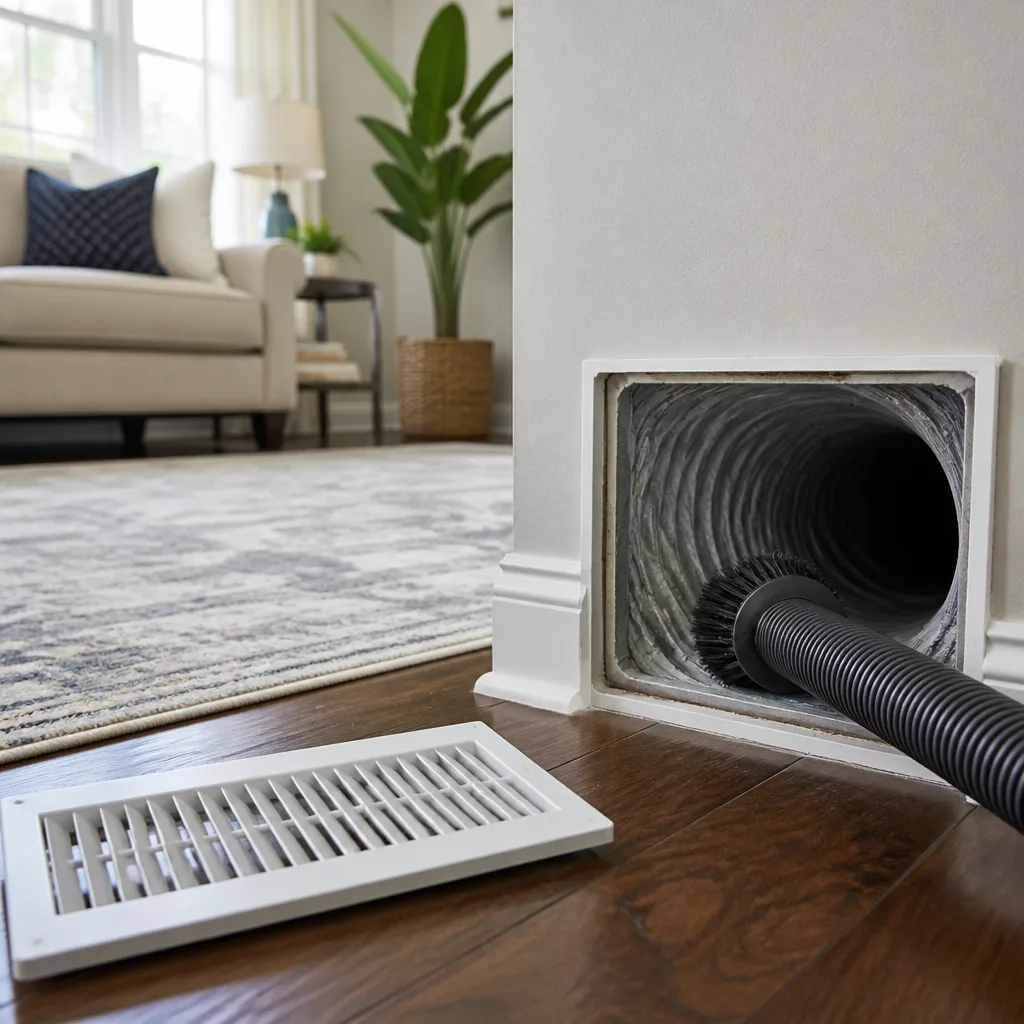 Whole-home duct cleaning
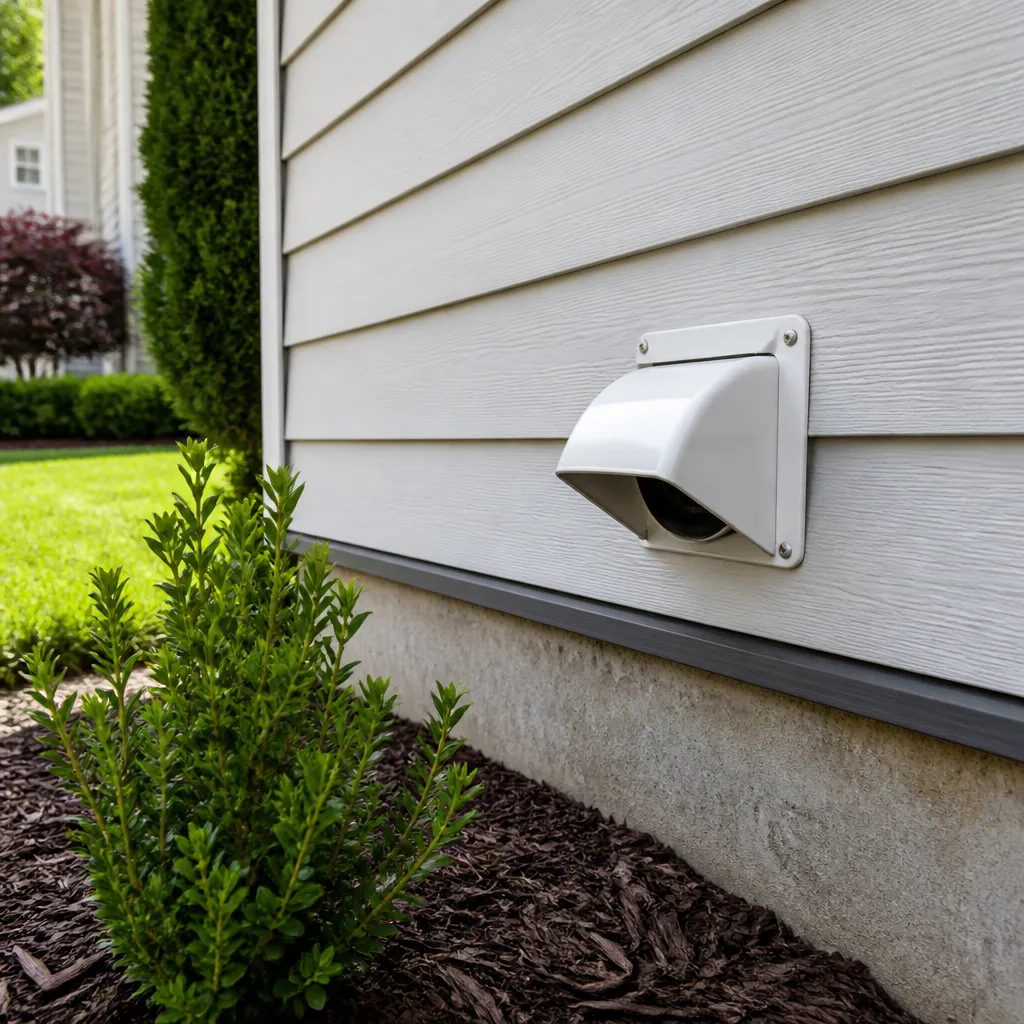 Dryer vent cleaning
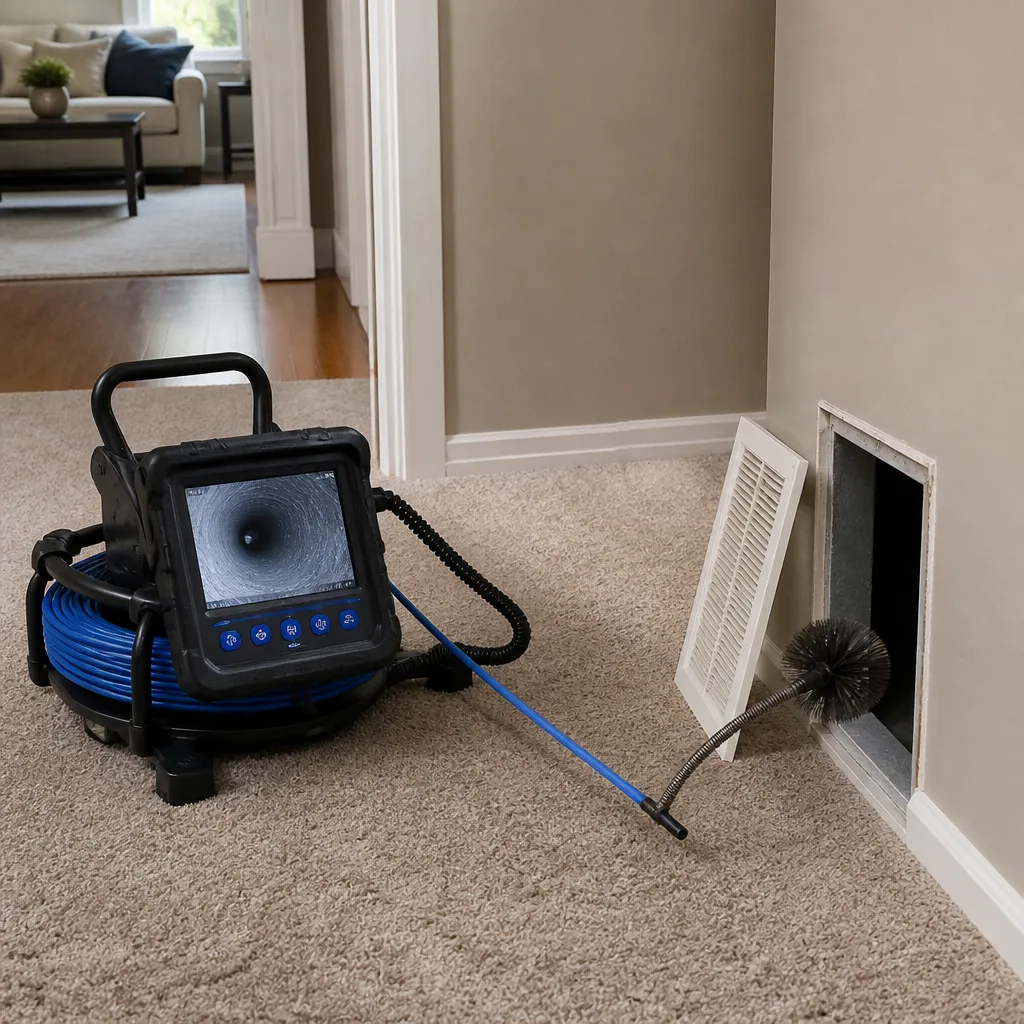 Camera inspection
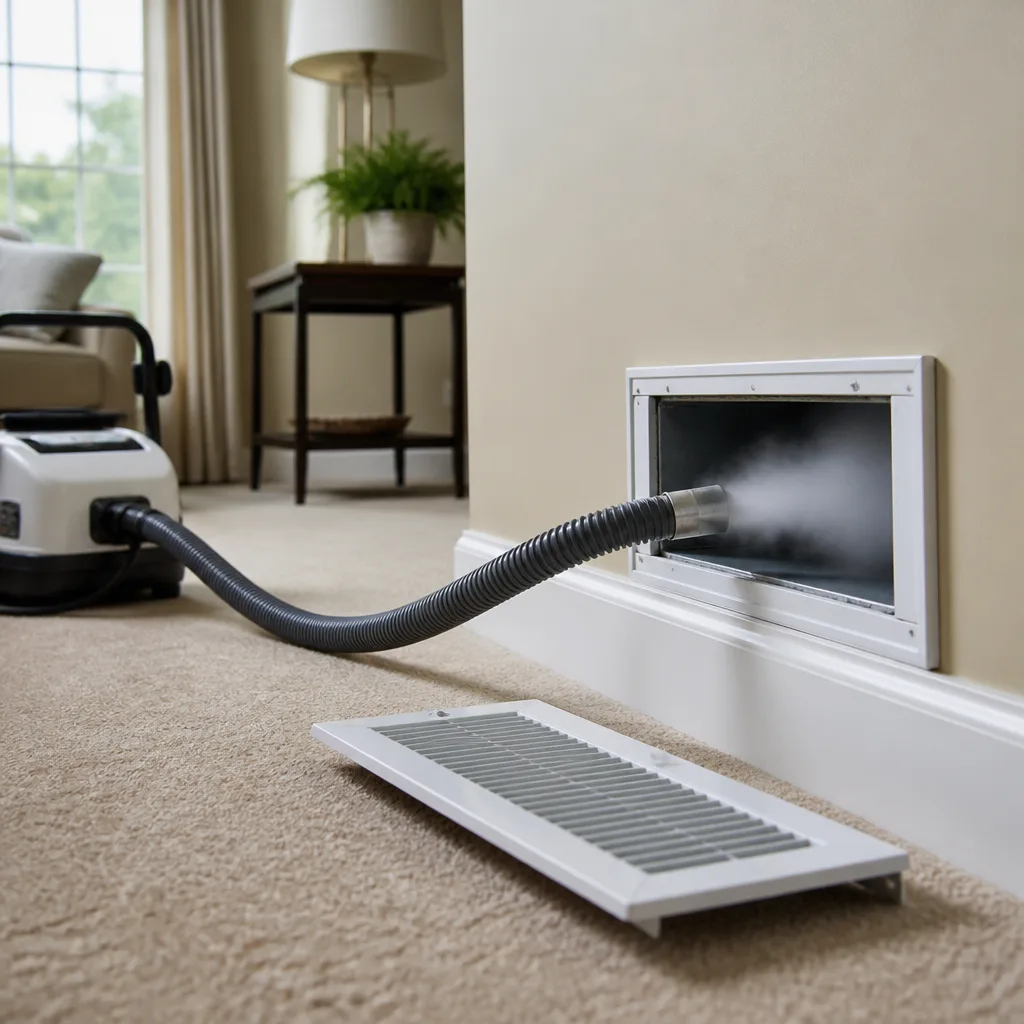 Sanitizing & deodorizing
Whole-system duct and dryer vent check with before-and-after photos - you see exactly what came out of your vents
That "$99 whole-house special" is a bait ad - the real number appears once they are in your hallway, or the "clean" is a shop-vac at the register. We photograph the inside of your ducts before and after instead.
Choosing the Right Air Duct Cleaning Brand: A Buyer’s Guide for Charleston
A four-star Google rating tells you a company is pleasant to deal with. It tells you nothing about whether they’re running equipment capable of actually cleaning your ductwork. That’s the gap this guide closes. In Charleston, where the humid summers push HVAC systems hard for months and spring pollen loads settle deep into return trunks, the difference between a real duct cleaning and a cosmetic wipe-down shows up in your air quality and your energy bill long after the van leaves the driveway. We’re going to walk you through the criteria that actually separate a competent duct cleaning company from a discount operator with a shop vac and a coupon. You’ll learn how to read equipment specs, spot repair capability, evaluate a website for real technical signals, and judge a pre-service inspection. By the end, you’ll be able to compare Charleston duct cleaning providers the way a facilities manager would.
Quick Answer
The right air duct cleaning brand in Charleston is the one that uses professional-grade extraction equipment (rotating-brush contact cleaning paired with simultaneous HEPA negative-pressure vacuum), can repair and seal damaged duct sections rather than just clean them, and performs a real pre-service inspection before quoting. Star ratings and the lowest advertised price are the two weakest signals you can use. Prioritize equipment class, repair capability, and inspection process, and you’ll avoid the bait-and-switch pattern that defines the discount end of this trade.
Styles & brands we work with
- Whole-home duct cleaning
- Dryer vent cleaning
- Camera inspection
- Sanitizing & deodorizing
Table of Contents
- Why Equipment Class Should Be Your First Filter
- How to Verify a Company Actually Owns Pro Equipment
- Why Repair Capability Changes Everything
- How to Read a Duct Cleaner’s Website for Technical Credibility
- The Pre-Service Inspection: What It Covers and Why It Matters
- Local Specialist vs. National Franchise in the Charleston Market
- What Fair Pricing Looks Like (and What a Teaser Price Hides)
- Common Mistakes to Avoid
Why Equipment Class Should Be Your First Filter
Duct cleaning is a mechanical removal job, and the equipment determines whether contaminants are actually extracted or merely agitated and redistributed into your living space. That’s the whole ballgame. Before you compare a single price, ask any Charleston duct cleaning company what extraction system they run. There are broadly two tiers in this market: consumer-grade vacuums (shop vacs, small portable units, or nothing at all in some cases) and professional extraction systems designed to create sustained negative pressure across the duct network while a contact tool loosens debris.
Here’s what the professional tier looks like in practice:
- Contact cleaning tools like rotating brushes and air whips that physically break debris loose from duct walls rather than just blowing air past it.
- HEPA-filtered negative-pressure vacuum rigs sized to maintain airflow and containment throughout the cleaning, not just at the plenum.
- Source containment or air scrubbing running during the service, so airborne particulates released by agitation are captured rather than recirculated through the home.
Charleston homes deal with a specific challenge here. The long cooling season means condensation and moisture can accumulate in poorly insulated duct runs, and that moisture binds dust into a stubborn film that a light vacuum pass won’t move. Systems like air duct cleaning done correctly depend on brush contact plus sustained suction, which is why the equipment tier matters more than the advertised price. We run Rotobrush contact-cleaning systems and Nikro HEPA-vacuum rigs, and we deploy Abatement Technologies air scrubbers during service. Those aren’t marketing words. They’re the specification categories a facilities manager would ask about before signing a commercial contract.
How to Verify a Company Actually Owns Pro Equipment
Anyone can claim “professional equipment” on a website. The point of this section is to teach you how to check that claim rather than take it on faith. Here’s a practical verification sequence you can run over the phone or in conversation before you book:
- Ask for the brand name of the extraction system. Real professional systems have names attached: Rotobrush, Nikro, Abatement Technologies, and similar. A vague answer like “our truck has everything we need” is a red flag.
- Ask whether they run a HEPA vacuum or a shop vac. HEPA filtration is a specification, not a marketing adjective. The technician should know the difference and tell you plainly.
- Ask about containment. A legitimate operation runs air scrubbers or source-capture equipment during the job to keep particulate out of your breathing air. Ask what they use.
- Ask how many air handlers are involved. A real quote is built per system, not per vent. If they can’t tell you how many systems your home has, they haven’t inspected it.
- Ask for photos. Before-and-after photos of your own ducts are the single most reliable proof that the work happened.
If a company can’t get through these five questions with specific answers, they’re selling a service they can’t fully deliver. That’s the tell.
Why Repair Capability Changes Everything
Here’s the problem no one tells you about: a company that can only clean, and cannot repair, has a built-in incentive to recommend cleaning even when your ducts actually need sealing, re-insulation, or section replacement. It’s not malice. It’s a capability limit dressed up as a recommendation. When the only tool in the van is a brush and a vacuum, every problem looks like dirt.
Duct repair is a distinct skillset. It involves diagnosing disconnected joints, crushed flex runs, deteriorated mastic at plenum connections, unsealed seams, and moisture-damaged or pest-compromised duct sections. In Charleston’s housing stock, which spans new builds and renovation-era homes across neighborhoods like West Ashley, James Island, and Mount Pleasant, we routinely find duct runs that leak heavily at the trunk connection points. Cleaning those leaks means the air you paid to cool is escaping into the attic or crawl space before it ever reaches a room. Cleaning them without sealing them is a partial fix.
A specialist duct repair company can do three things a cleaning-only company can’t:
- Diagnose the leak honestly during the inspection, with access to the duct connections themselves.
- Fix it in the same engagement rather than handing you a referral slip to call someone else.
- Clean and reseal in the correct order, so the newly repaired section isn’t contaminated by debris from an unclean trunk.
“We repair what we find” is a trust signal for exactly this reason. It means the recommendation isn’t constrained by what the company is capable of billing you for. When you’re evaluating Charleston duct cleaners, ask directly: can you repair a damaged duct section, or do you only clean? The answer tells you whether their recommendations are trustworthy.
How to Read a Duct Cleaner’s Website for Technical Credibility
Most duct cleaning websites are built from the same stock template: the same stock photos of a technician smiling at a vent, the same vague promises about “improving air quality,” the same coupon. Learning to read past that template is a genuine skill. Here’s what separates a technically credible website from a marketing shell.
Signals of technical credibility:
- Named equipment. If the site says Rotobrush or Nikro or Abatement Technologies, they’re telling you something verifiable.
- A described process. Sections explaining contact cleaning, negative pressure, and containment indicate the writer actually does the work.
- Repair services listed as a core offering, not buried in an FAQ.
- Before-and-after photos showing actual duct interiors, not just happy customers.
- IAQ product fluency: references to filtering and filtration systems like Honeywell or Aprilaire show the company thinks beyond the cleaning job.
Signals of a marketing shell:
- Only stock imagery, no process description.
- A coupon as the primary call to action.
- Per-vent pricing advertised without mention of system count.
- No mention of equipment brands anywhere on the site.
- Guarantee language with no stated policy behind it.
Read the “services” page of any Charleston duct cleaning company carefully. If the technical depth is missing, the work probably is too.
The Pre-Service Inspection: What It Covers and Why It Matters
A company that quotes you a price over the phone, sight unseen, is guessing. A legitimate duct cleaning assessment happens on-site and covers specific ground. Here’s what a proper pre-service inspection includes:
- System count and configuration. How many air handlers, plenums, and duct runs serve the home. This determines the scope of the job.
- Access points. Whether the ductwork has sufficient access for proper cleaning equipment, or whether additional access needs to be created.
- Contamination assessment. Visual inspection of duct interiors, return trunks, and coil surfaces to gauge debris load, moisture, and any biological growth.
- Leak and damage survey. Checking connections, joints, and flex runs for leaks, disconnections, crushing, or pest intrusion.
- Filter and IAQ review. Assessing the current filtration setup and flagging where a filtration upgrade (Honeywell, Aprilaire, or similar) would help.
Why does this matter? Because the scope of the job changes based on what the inspection finds. A home with clean ductwork and one underperforming system needs something different from a home with heavy debris in the returns and a disconnected flex run. A company that quotes blind is quoting blind. A company that inspects first gives you the written estimate that sets the actual price, one flat price per system rather than a per-vent teaser. In Charleston’s mix of older homes and newer construction, that inspection routinely changes the recommended scope. That’s a good thing.
Local Specialist vs. National Franchise in the Charleston Market
National franchises have real advantages: brand recognition, standardized training protocols, and a consistent experience across markets. But those standards are also their ceiling. A franchise operates to a corporate playbook, and that playbook doesn’t always flex to local conditions or local housing stock. Here’s what franchise standards actually guarantee and what they don’t.
What franchises guarantee:
- Consistent branding and marketing message.
- A defined service menu across locations.
- Franchisee-level training standards.
What franchises don’t guarantee:
- That the local franchisee invests in the top tier of extraction equipment.
- That the local franchisee has repair capability on staff.
- That the pricing is competitive relative to the local market.
- That the inspection process adapts to local construction patterns.
A local specialist, by contrast, lives or dies on local reputation and repeat work. That tends to push toward equipment investment and repair capability, because a Charleston duct cleaning company that can only clean has less to offer a repeat customer than one that can clean, repair, and advise on filtration. The tradeoff is that local specialists may lack the franchise polish. When evaluating providers in the Charleston area, the practical question is this: does the franchise bring equipment and repair capability the local market lacks, or does it bring a logo and a call center? If it’s the latter, a local specialist usually outperforms.
One specialist, three services is a useful frame here. A focused company that handles dryer vent cleaning, air duct cleaning, and duct repair under one trade has less coordination burden on you and deeper expertise per service. Explore the full range of what a dedicated specialist offers at Charleston Duct Cleaning.
What Fair Pricing Looks Like (and What a Teaser Price Hides)
Duct cleaning pricing in the Charleston market falls broadly into two patterns. The first is the per-job, one-flat-price-per-system model: the company inspects, gives a written estimate for the whole job, and the price holds. The second is the teaser-coupon model: a low advertised price for a “whole home” clean that balloons once the technician is on-site and finds the “extra work” that was always going to be needed. The first is honest. The second is the reason people search “why are duct cleaning quotes so cheap” after the fact.
Here’s what to watch for in a price quote:
- Is it per system or per vent? Per-vent pricing fragments a job and hides the total. Whole-system pricing is honest.
- Is it a written estimate? The written estimate sets the final price. If there’s no written estimate, there’s no price.
- What’s included? Equipment tier, containment, repair investigation, and photo documentation should all be part of the scope.
- What happens if repair is needed? A company that can do the repair can quote it in the same visit. A cleaning-only company can’t.
We don’t quote per-vent teaser prices. We give honest whole-system ranges, inspect first, and agree one flat price per system before work starts. That model protects you from the bait-and-switch that’s defined the discount end of this trade for too long.
Common Mistakes to Avoid
- Choosing on price alone. The lowest advertised price is usually a coupon for a job that grows once the technician arrives, and it’s often paired with consumer-grade equipment.
- Skipping the equipment question. If you don’t ask what extraction system they run, you’re trusting a marketing claim. Ask about Rotobrush, Nikro, or comparable professional brands.
- Assuming cleaning fixes leaks. A cleaning-only company can remove debris but can’t seal a disconnected joint or a leaking plenum. That gap leaves the real efficiency problem in place.
- Accepting a phone quote without an inspection. Blind quotes mean blind scope. A proper inspection on-site is what makes the estimate trustworthy.
- Overlooking dryer vent cleaning. In many Charleston homes, the dryer vent run is longer than the ductwork itself. A company that handles only ducts leaves that run out of the picture.
- Ignoring filtration. Cleaning without reviewing the filter setup (Honeywell, Aprilaire, or a comparable system) skips the long-term fix that keeps ducts cleaner between cleanings.
- Forgetting the photo evidence. Insist on before-and-after photos of your own ducts. If the company can’t provide them, you have no way to confirm the job was done.
See the difference
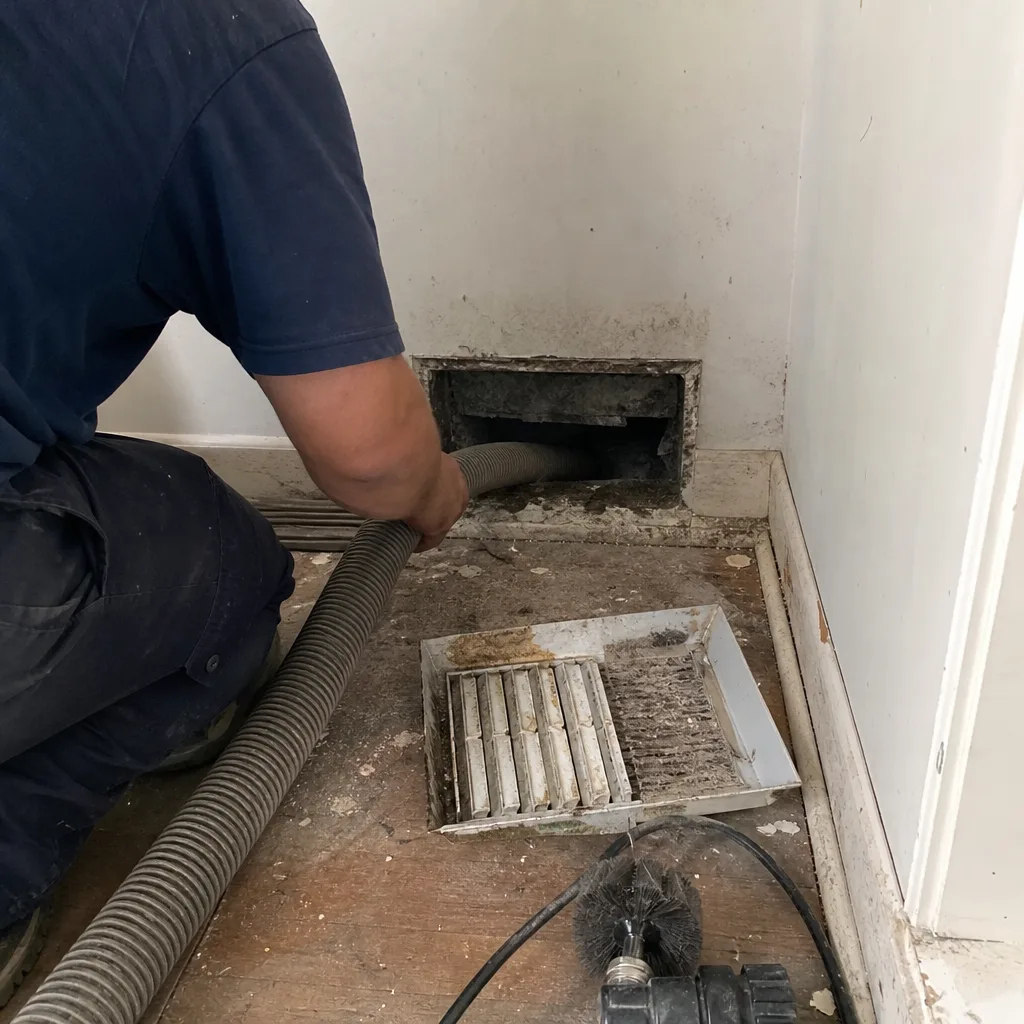 Before
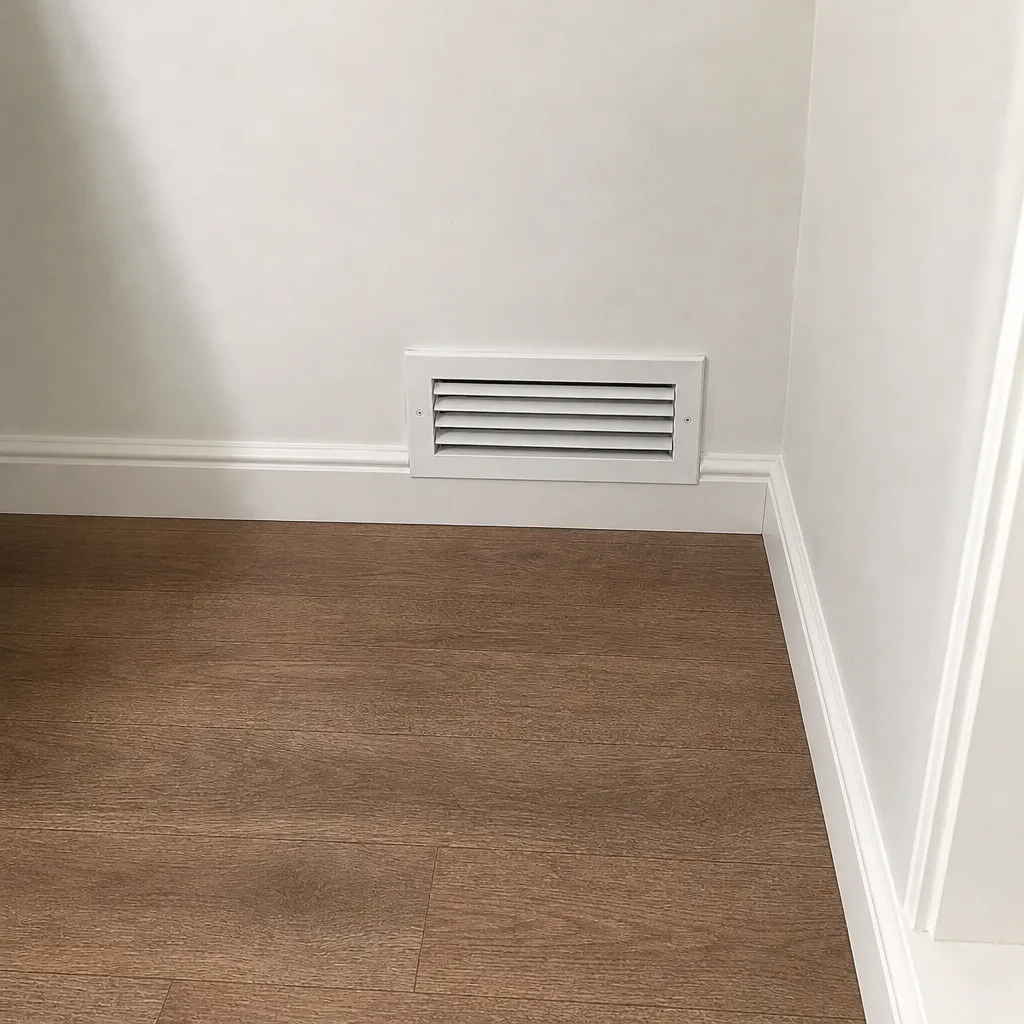 After
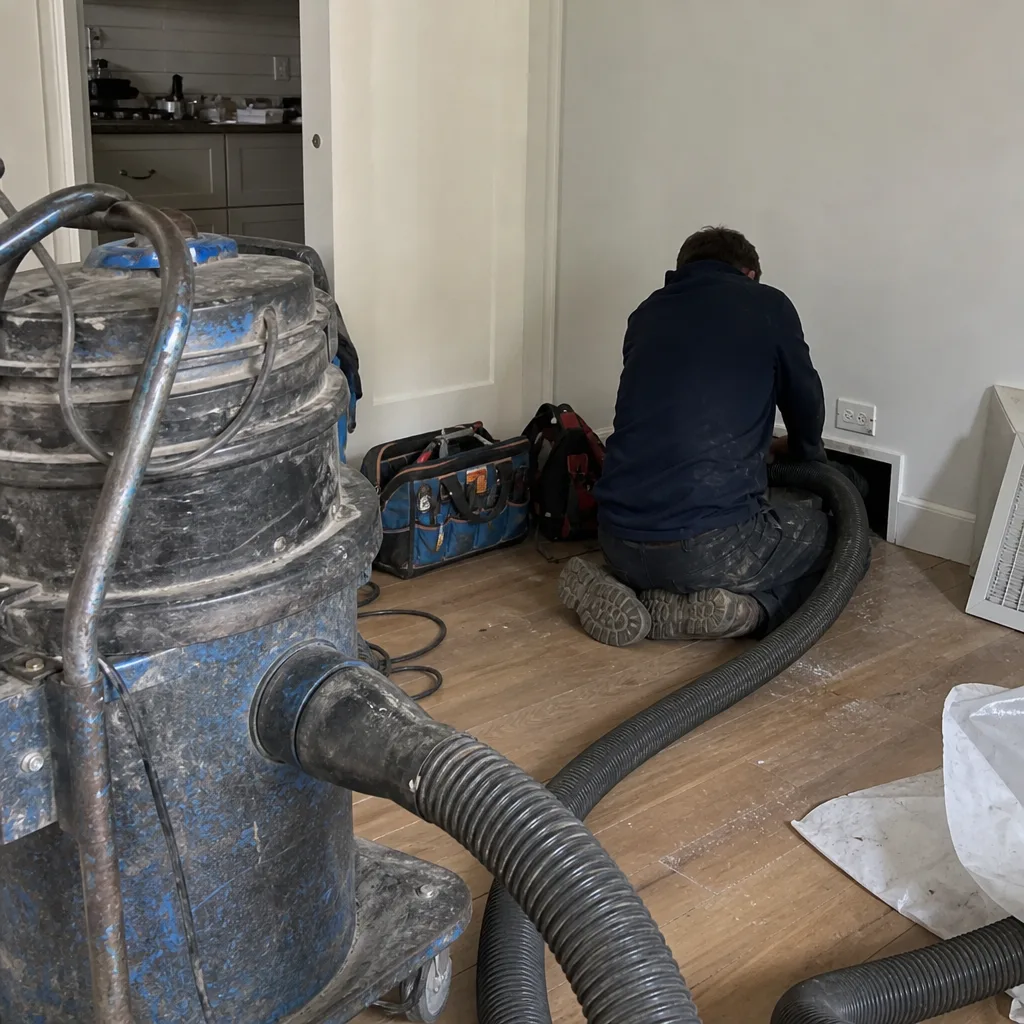 Before
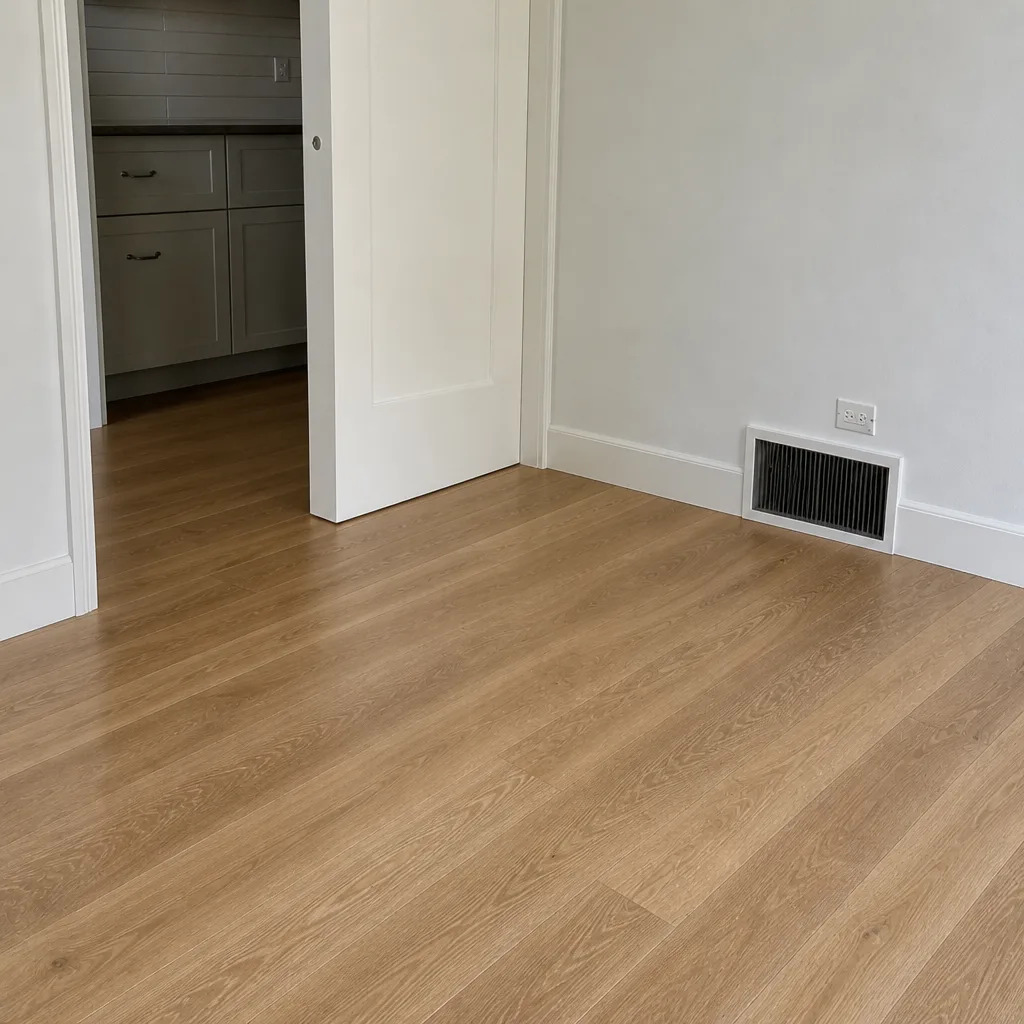 After
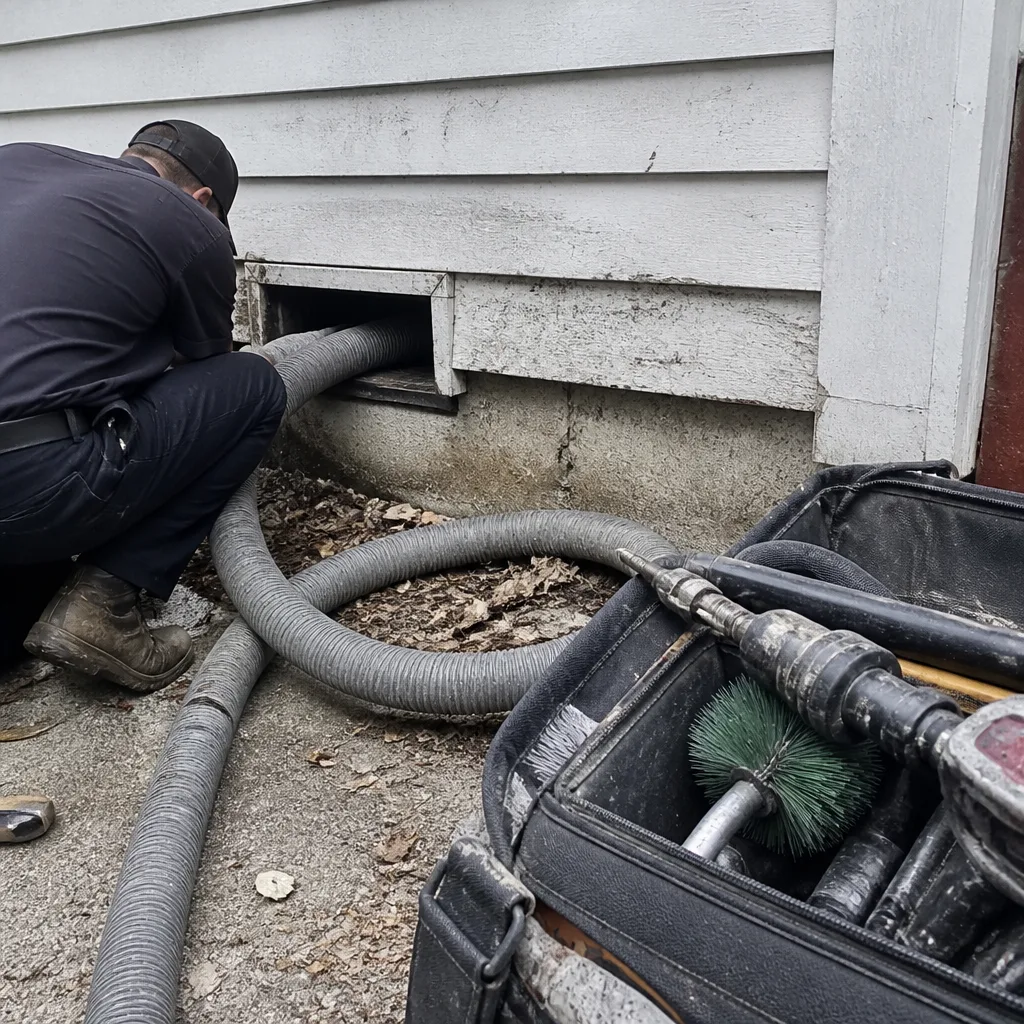 Before
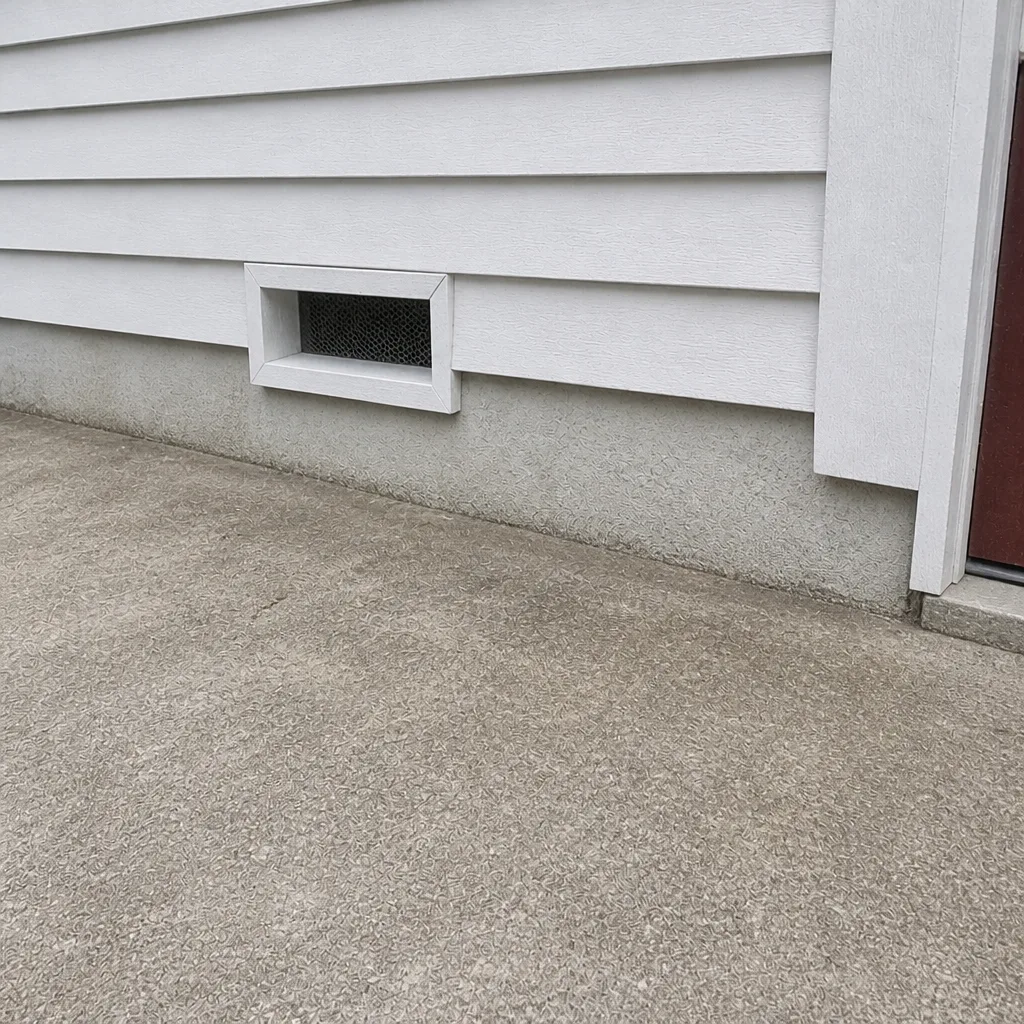 After
When to Call a Professional
Some signs make the decision for you. If you’re smelling musty air from the vents, that’s a reason to call. If your HVAC system is running longer than it used to and the filter is clean, the ductwork may be part of the problem. If your dryer is taking noticeably longer to dry a load, the vent run likely has a blockage. If you’ve recently completed a renovation, construction debris frequently ends up in the return system, and you should have the ducts assessed. If you’ve bought a home in Charleston and don’t know when the ducts were last cleaned, a professional inspection is a reasonable first step. Charleston Duct Cleaning offers free estimates in Charleston. Call (888) 274-9947. We answer 24/7. Fast dispatch from 7am to 7pm, Sunday through Friday, and closed Saturday.
Frequently Asked Questions
Ask for the brand name of the extraction system over the phone. A credible answer names a professional brand (Rotobrush, Nikro, Abatement Technologies, and similar); a vague answer like “we have everything we need” is a red flag. Follow up by asking whether it’s a HEPA vacuum, whether containment or air scrubbing runs during the service, and how many systems the home has. Call (888) 274-9947 for an exact quote. Estimates are free.
Discount quotes typically reflect consumer-grade equipment, no containment, and a per-vent pricing structure that grows once a technician arrives. The low advertised price isn’t the total price; it’s a teaser for a job that expands. Professional-tier quotes price per system, inspect first, and hold the written estimate. Call (888) 274-9947 if you want a straight answer on pricing.
Some can both, many can only clean. That distinction matters because a cleaning-only company can’t fix a disconnected joint or a leaking plenum, no matter what the inspection reveals. Ask up front whether repair is a core service or a referral. Call (888) 274-9947 to ask us directly.
Most homes benefit from cleaning every few years, though the actual interval depends on whether you have pets, recent renovation, smokers, or allergy sufferers in the home. Charleston’s long cooling season and high pollen load in spring can push the interval shorter for some homes. A proper on-site inspection tells you more than any rule of thumb. Call (888) 274-9947 for a free estimate.
Not always, but it’s common. Leaks at plenum connections and disconnected flex runs are found regularly in Charleston homes across both new construction and older renovation-era stock. Cleaning without sealing leaves the efficiency loss in place. The inspection will tell you which you need. Call (888) 274-9947 to book an assessment.
It depends on what the local franchise invests in. Franchises guarantee branding and training standards, but not the equipment tier or repair capability at the local level. A local specialist usually has more incentive to invest in professional equipment and repair capability because it lives on local reputation. Ask the same five verification questions of both. Call (888) 274-9947 to talk through what your home actually needs.
The Bottom Line
Choosing the right air duct cleaning brand in Charleston comes down to three criteria that most comparison guides ignore: equipment class, repair capability, and inspection process. Star ratings tell you about customer service. They don’t tell you whether the extraction system can actually clean your ductwork or whether the company can fix what it finds. Prioritize professional-grade extraction (Rotobrush contact cleaning plus Nikro HEPA vacuum plus Abatement Technologies containment), insist on a company that can repair and seal duct sections, and demand a written estimate built on an actual on-site inspection. Per-vent teaser pricing and coupon-first marketing are the signals of the discount end of the market. The right company will answer the five verification questions without flinching. That’s your litmus test.
If you’d like to compare what a proper inspection looks like in practice, we offer free estimates in Charleston. Call (888) 274-9947. We answer 24/7. Fast dispatch from 7am to 7pm, Sunday through Friday.
For more about how we work and what we cover across Charleston, our team is glad to walk through the process before you commit to anything.
Written by the team at Charleston Duct Cleaning.