
Last updated November 15, 2026
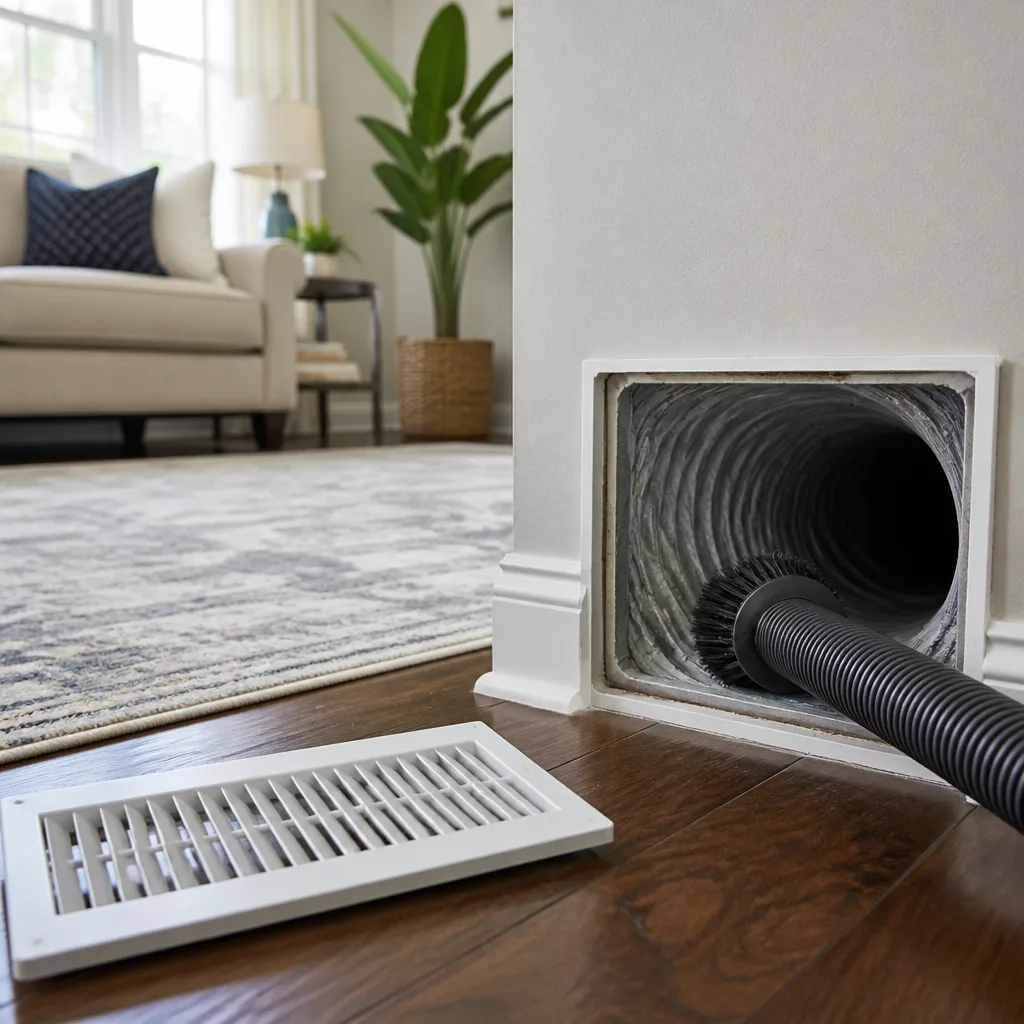 Whole-home duct cleaning
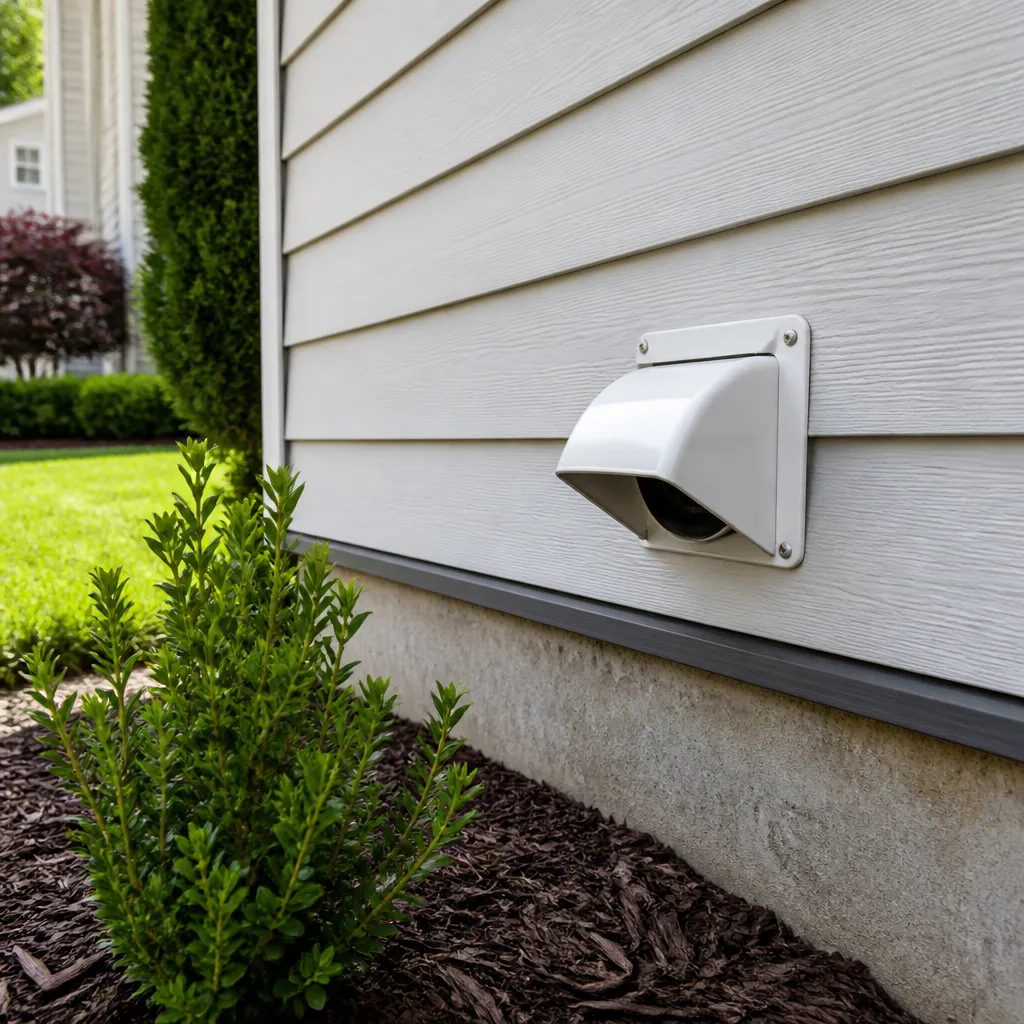 Dryer vent cleaning
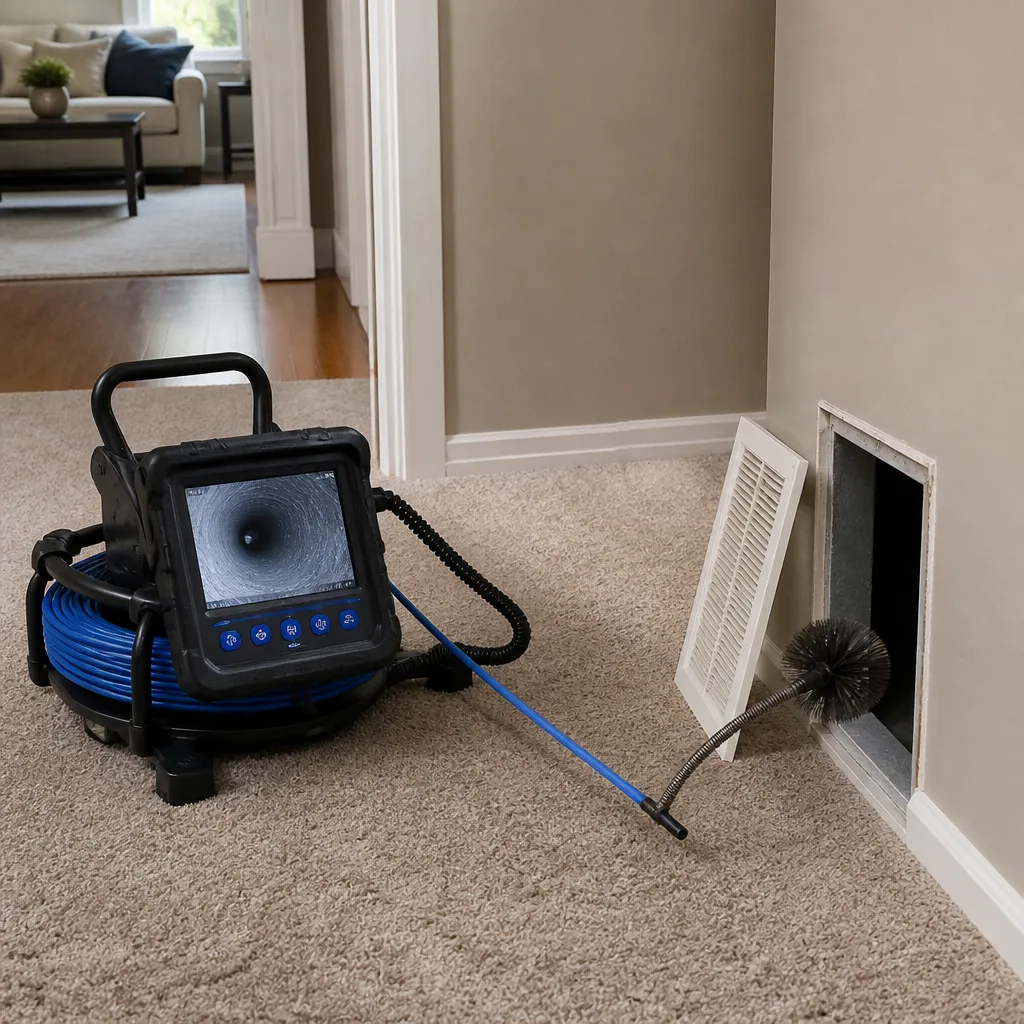 Camera inspection
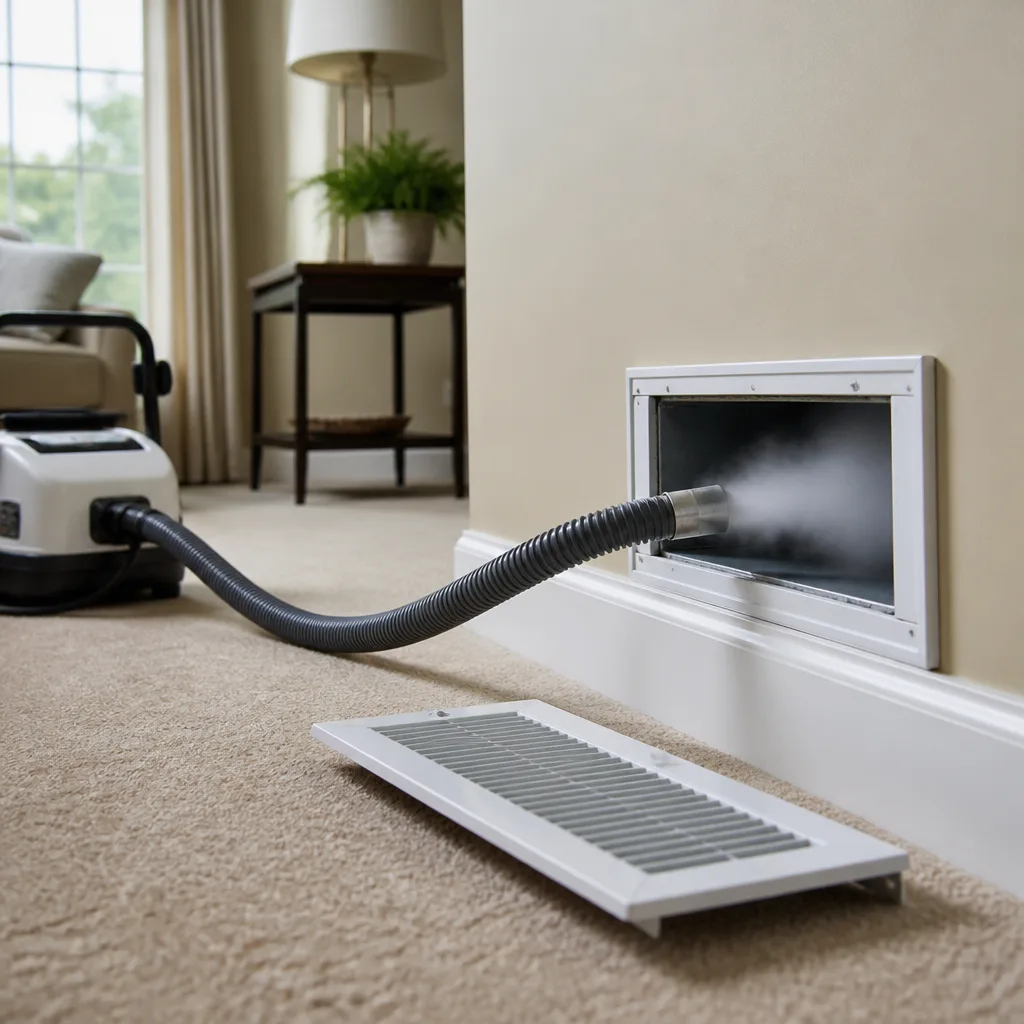 Sanitizing & deodorizing
Whole-system duct and dryer vent check with before-and-after photos - you see exactly what came out of your vents
That "$99 whole-house special" is a bait ad - the real number appears once they are in your hallway, or the "clean" is a shop-vac at the register. We photograph the inside of your ducts before and after instead.
How to Hire an Air Duct Cleaning Contractor in Charleston: A Step-by-Step Guide
South Carolina has no universal licensing requirement for duct cleaning, which means the barrier to advertising as a professional is roughly a truck, a website, and a coupon. That fact alone explains why so many Charleston homeowners end up with a shop vac in their hallway and a bill that doesn’t match the work. The bigger risk isn’t wasted money. The wrong contractor can crush flex duct with too much suction, tear connections at the plenum, redistribute debris into the living space, and leave behind conditions that put equipment warranties in question. This guide walks through the hiring framework we’d want if we were the customer: equipment verification, NADCA distinctions, scope-of-work documents, pricing red flags, and insurance checks.
Quick Answer
To hire an air duct cleaning contractor in Charleston, ask five equipment questions before booking, request a written scope of work, confirm liability coverage specific to duct damage, and treat any whole-house quote under $200 as a process problem rather than a deal. Legitimate contractors can name their equipment, produce a scope document, and explain how they contain debris during cleaning. If any of those three things is missing, keep calling.
Styles & brands we work with
- Whole-home duct cleaning
- Dryer vent cleaning
- Camera inspection
- Sanitizing & deodorizing
Table of Contents
- Why hiring matters more than price in Charleston
- The five equipment questions that separate contractors
- NADCA membership vs. NADCA certification: what the difference means
- How to request and read a scope-of-work document
- Pricing red flags: what an honest quote looks like
- Verifying liability coverage for duct damage
- What a proper cleaning process actually looks like
- Common mistakes to avoid
Why Hiring Matters More Than Price in Charleston
The Charleston housing stock makes duct cleaning a different job than it is in newer metros. A large share of homes here were built before ducted central air was standard, which means many systems were retrofitted into attics, crawlspaces, and wall chases designed for something else. Duct runs are often longer, tighter, and more segmented than in a 2015 subdivision out west. Flex duct that was pinched during a retrofit is far more vulnerable to damage from an aggressive, uncontrolled vacuum than duct that was designed into the home from the start.
Summer humidity also plays a role. When cool supply air moves through ducts in a hot attic, condensation forms on the exterior of the duct, not the interior, but that condensation finds every gap and seam. Negative pressure from an overpowered vacuum can pull that moisture-laden attic air into the airstream. A contractor who understands containment and controlled extraction knows this. A contractor with a shop vac and a coupon does not.
In our experience working across the Charleston area, the calls that come in after a bad cleaning almost always share the same features: no scope document, no containment equipment on-site, and a price that looked too good to verify. Fixing what the first contractor left behind costs more than the original service would have. Our team at Charleston Duct Cleaning handles the repair side of that equation routinely, and the pattern holds whether the home is in West Ashley or a newer build out toward Summerville.
The point isn’t to scare anyone off the cheapest quote. It’s to give the reader a benchmark. Once you know what professional equipment looks like and what a proper scope document contains, the bad actors sort themselves out in about three questions.
The Five Equipment Questions That Separate Contractors
Before you book, ask these five questions. Write down the answers. The phrasing tells you almost everything about how the job will actually go.
- “What cleaning equipment do you use, and does it use contact agitation or vacuum-only?” The right answer mentions rotating brushes or whips with simultaneous HEPA extraction. Rotobrush contact-cleaning systems, for example, agitate the duct wall while a HEPA vacuum pulls material out at the same time. If the answer is “we use our own vacuum system” with no mention of contact method, ask a follow-up: what’s the CFM rating of the vacuum, and what class of filtration does it use? Inability to name either is a disqualifier.
- “Do you run containment or air scrubbing during the job?” Professional operations deploy air scrubbers to actively capture airborne particulates released during cleaning rather than letting them recirculate through the home. Abatement Technologies air scrubbers are the workhorse in this category. If the contractor pauses, the answer is no.
- “Where’s the vacuum unit located during the job?” A proper setup puts negative pressure on the system so the dust travels out, not into the living room. If the vacuum sits inside the house without HEPA filtration, contaminants go straight into the air.
- “Can you inspect with a camera and show me the before-and-after?” A camera lets you see what’s actually happening inside the ducts. A contractor unwilling to show footage is telling you something.
- “If you find damaged duct during the cleaning, what happens?” The answer reveals whether the company can repair or only clean. If they hand you a referral slip and leave, the damaged section stays damaged. Duct repair should be part of the engagement, not a second appointment six weeks out.
Any contractor who answers three or more of those questions with hesitation should be disqualified. A fourth-generation operator in Charleston who runs professional-grade equipment will answer all five without needing to call anyone back.
NADCA Membership vs. NADCA Certification: What the Difference Actually Means
The National Air Duct Cleaners Association (NADCA) publishes the ACR Standard, the industry’s reference document for how duct cleaning should be performed and inspected. Contractors cite it often. But “NADCA member” and “NADCA-certified” are not the same thing, and understanding the gap matters for accountability.
Membership is a company-level affiliation. A company pays dues, agrees to a code of ethics, and gains access to association resources. It does not, by itself, prove that any individual on the crew has been tested on process. Certification, by contrast, is awarded to individuals who complete training and pass an exam – the Air Systems Cleaning Specialist (ASCS) credential is the most common. The Ventilation Maintenance Technician (VMT) credential covers commercial work.
Why this matters: if a company advertises NADCA membership and a technician damages flex duct on the job, you have a company-level affiliation to point to but no individual certification to verify. If a company advertises ASCS-certified technicians, you have a name, a credential number, and a person who has been formally tested on things like proper vacuum setup and containment.
Neither credential replaces the five equipment questions. A certified technician without the right equipment still can’t do the job properly. But in our experience, the contractors who proudly display individual certifications are also the ones who invest in professional extraction and containment gear, because both come from the same professional culture. The contractors who display only a “member” badge and a coupon tend not to. Ask for both.
- NADCA membership – company-level, dues-based, ethics agreement, no individual testing.
- ASCS certification – individual-level, requires training and exam, covers residential and light-commercial air systems.
- VMT certification – individual-level, focused on commercial ventilation maintenance.
When you call a Charleston contractor, ask which credential applies and who holds it. If nobody can answer, that’s an answer.
How to Request and Read a Scope-of-Work Document
A scope-of-work document is the single most reliable test of whether you’re dealing with a professional operation. It’s not a quote. It’s a plain-language description of what the contractor will do, how many systems they’ll touch, how they’ll contain debris, what inspection method they’ll use, and what happens if something is found that needs repair.
Legitimate contractors can produce one before the job. Discount operations cannot, because they haven’t thought it through. Here’s what a real scope should contain:
- The number of HVAC systems being cleaned (a two-story Charleston home with dual zones has two) and the approximate total linear footage of ductwork.
- The specific equipment to be used – named brands and equipment types, not “professional equipment.”
- The containment method – air scrubbers, negative pressure setup, plastic barriers.
- An inspection method – camera, before-and-after footage, or both.
- An itemized list of what’s included (supply runs, return runs, plenum, registers, air handler) and what’s not.
- A stated price per system, not per vent and not per hour.
- A written procedure for damaged duct discovered mid-job.
Read the document with a highlighter. Ask about anything missing. A contractor who walks you through it patiently, with specific answers, is the one to hire. A contractor who says “don’t worry about that, we’ve done hundreds of these” is telling you the scope doesn’t exist because the process doesn’t either.
If the scope document says “one flat price per system,” that’s the pricing model to hope for. It means the invoice at the end matches the estimate at the beginning. Per-vent pricing is where jobs balloon – a “whole house for $199” ad that becomes $1,400 once the technician counts seventeen vents and starts adding them up. Our team quotes per system, agreed in writing before work starts, so the invoice is never a surprise. If any Charleston contractor can’t produce a scope, keep dialing.
Pricing Red Flags: What an Honest Quote Actually Looks Like
A whole-house duct cleaning quote under $200 in the Charleston market is a process problem, not a deal. The overhead on a proper job – professional extraction equipment, HEPA vacuum, air scrubbers, camera inspection, insurance, trained labor for two to four hours – doesn’t fit inside that number. When you see it, either the price is a teaser that will grow once the technician is on-site, or the equipment category is consumer-grade.
What should a typical Charleston quote look like? Pricing depends on the number of systems, linear footage, accessibility, and whether repair is needed, but the written estimate you receive before work should always include:
- A price per system, not per vent and not per hour.
- An itemized scope matching the document above.
- A statement that final pricing is set by the written estimate – no mid-job surprises.
- Before-and-after documentation of the customer’s own ducts as part of the deliverable.
Here’s the pricing red flag checklist. Any one of these is a reason to walk away:
- An advertised price that requires a coupon, a code, or “mentioning this ad.”
- Per-vent pricing with a low starting number and no cap.
- A quote that doesn’t specify how many systems are covered.
- Pressure to book same-day by phone without a written estimate.
- A price that drops if you agree to a “maintenance plan” you didn’t ask for.
- No mention of what happens if damaged duct is found.
On the other side, an honest quote might seem higher than the ad you saw on a mailer. That’s fine, because the alternative is an ad price you’ll pay twice – once for the visit, once for the proper job months later. Local pricing varies by system and by neighborhood, and neighborhoods matter here. A home with attic runs in Mount Pleasant often costs more to service than a crawlspace system downtown because of access and run length, and any contractor quoting the same flat number for both without looking is guessing.
Verifying Liability Coverage for Duct Damage
General contractor insurance is not the same as coverage that protects you against duct damage. A standard general liability policy may cover property damage caused by the contractor, but duct-specific damage – crushed flex, torn connections, damage to an air handler during cleaning – is often excluded or contested under “workmanship” clauses. If the cleaning goes wrong and the contractor’s insurer denies the claim, you’re on your own unless you did the homework first.
Before booking, request the following and confirm the answer in writing:
- A certificate of insurance (COI) naming the business entity, with general liability limits visible.
- Coverage for property damage in the “care, custody and control” category – this is the clause that covers items in the contractor’s care during service, including your ductwork.
- Workers’ compensation coverage if crew members will be on-site – without it, an injury on your property can become your problem.
- Confirmation that duct cleaning is within the policy’s described operations – some policies written for property maintenance exclude HVAC interior cleaning.
Legitimate contractors have the COI on file and will email it without hesitation. If you’re told “we’re fully insured” without a document, the statement is doing no work. Get the paper before the truck shows up at your Charleston home.
If a contractor can’t produce a COI, they aren’t insured in any meaningful sense for this job. That’s a hard stop regardless of price.
What a Proper Cleaning Process Actually Looks Like
Knowing what a professional duct cleaning job should look like from the moment the technician arrives will tell you in the first ten minutes whether you hired the right company. Here’s the sequence a proper job follows.
- Pre-inspection. Before any equipment comes in, the technician inspects the accessible ductwork, the air handler, the plenum, and the registers. Camera inspection lets the technician document conditions on video.
- Containment setup. Air scrubbers start running before cleaning begins, capturing airborne particulates released during agitation. Negative pressure is established so debris travels toward the extraction unit, not the living space.
- Register and vent removal. Supply and return registers come off, get cleaned separately, and the duct openings are prepped for extraction.
- Contact cleaning with simultaneous HEPA extraction. Rotating brushes or whips run through each duct run while a HEPA vacuum pulls material from the duct wall at the same time. This is what separates real cleaning from vacuum-only work. Vacuum alone leaves adhered debris behind.
- Air handler and plenum inspection. The air handler and plenum are the most neglected areas in most homes, and they’re where the worst buildup tends to sit. A proper job cleans them, not just the visible runs.
- Repair if needed. If the technician finds crushed flex, detached connections, or moisture damage, a properly equipped company repairs it during the same visit. “We repair what we find” is what a real specialist says. “We’ll refer you to someone” means the second appointment will cost more than the first.
- Post-inspection and before-and-after footage. The final step is a walkthrough with the customer, with before-and-after footage of the customer’s own ducts. This is the part where the work gets verified, not just promised.
If your technician skips step two, skips step four, or skips step seven, the job wasn’t done. The absence of any of those three steps is the difference between cleaning and surface agitation – and it’s the reason the framework above exists.
Common Mistakes to Avoid
- Booking on price alone. A quote under $200 for a whole-house job means either the equipment is consumer-grade or the price will grow on-site. Neither outcome serves you.
- Not asking about containment. Without air scrubbers, debris released during cleaning recirculates through your home. The dust you see on the furniture afterward didn’t disappear – it moved.
- Confusing NADCA membership with certification. Membership is a company affiliation. Certification is an individual credential that requires testing. Ask for both, and ask who holds the certification.
- Accepting “fully insured” without a certificate of insurance. In Charleston, where a lot of ductwork sits in tight retrofit attics, the risk of a damaged run during cleaning isn’t theoretical. Get the paper.
- Ignoring what “we’ll refer you” really means. If the company can’t repair damaged duct, the referral becomes a second project, a second quote, and a second schedule. Three services from one specialist – cleaning, repair, and dryer vent work – is the model that avoids that problem.
- Booking a duct cleaning before a renovation. Charleston homes undergoing kitchen or bath remodels pull construction debris into the return system. Clean after the renovation is finished, not before.
- Assuming the ducts stay clean forever. Filter changes, register maintenance, and periodic inspection matter. Cleaning is a reset, not a permanent state.
See the difference
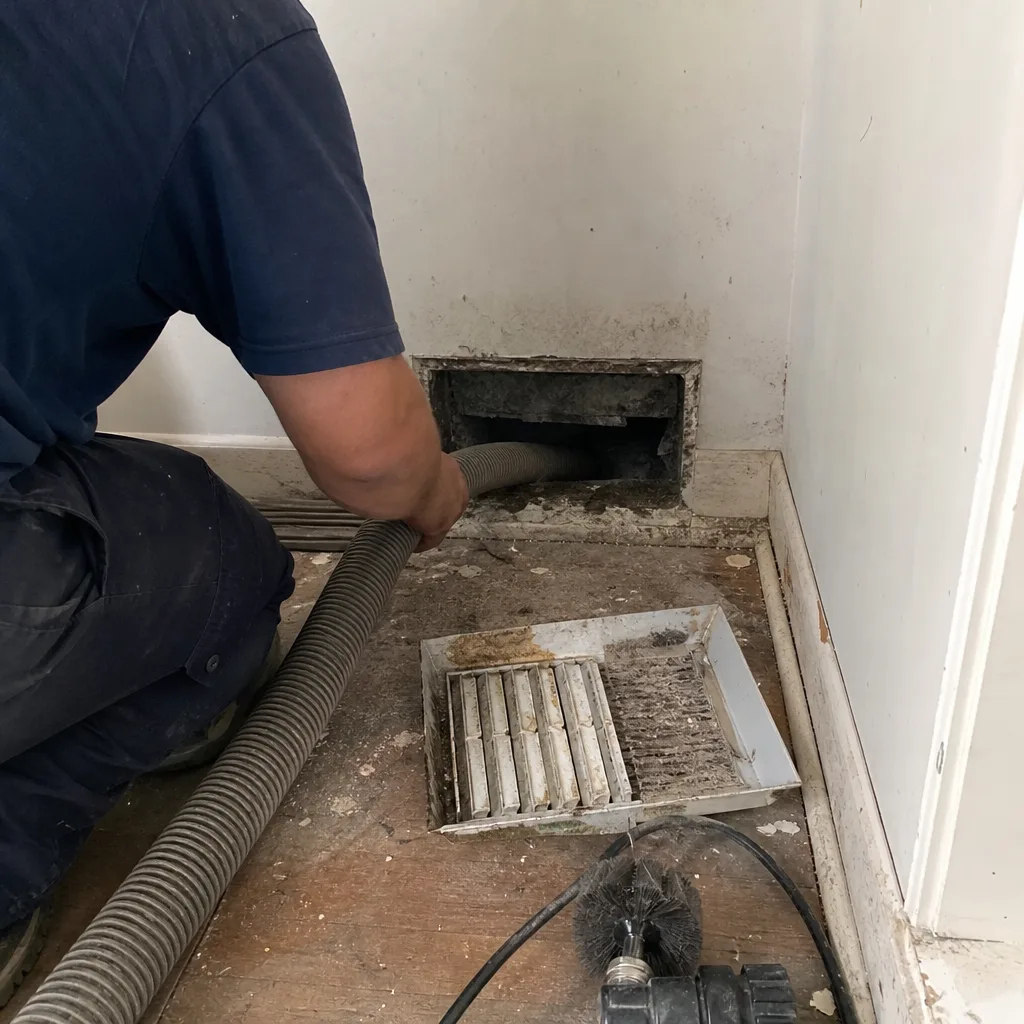 Before
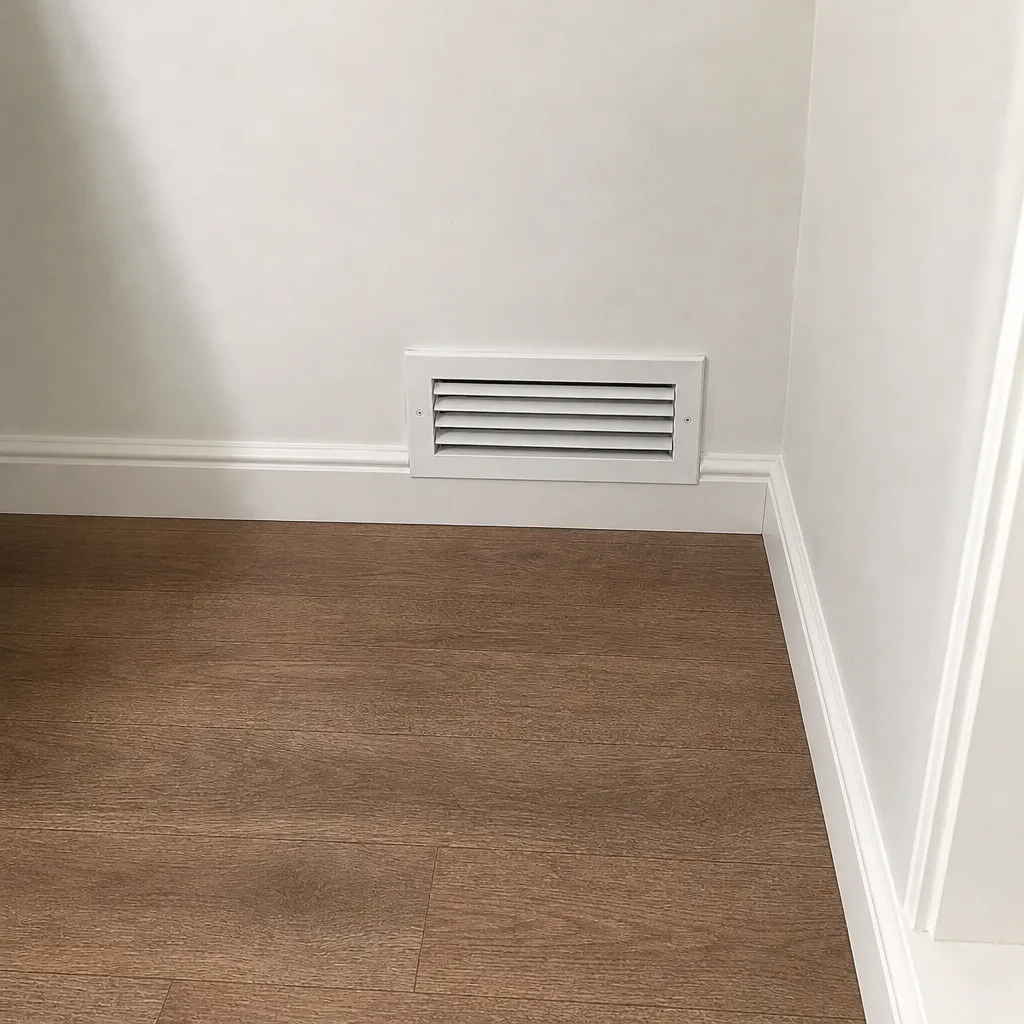 After
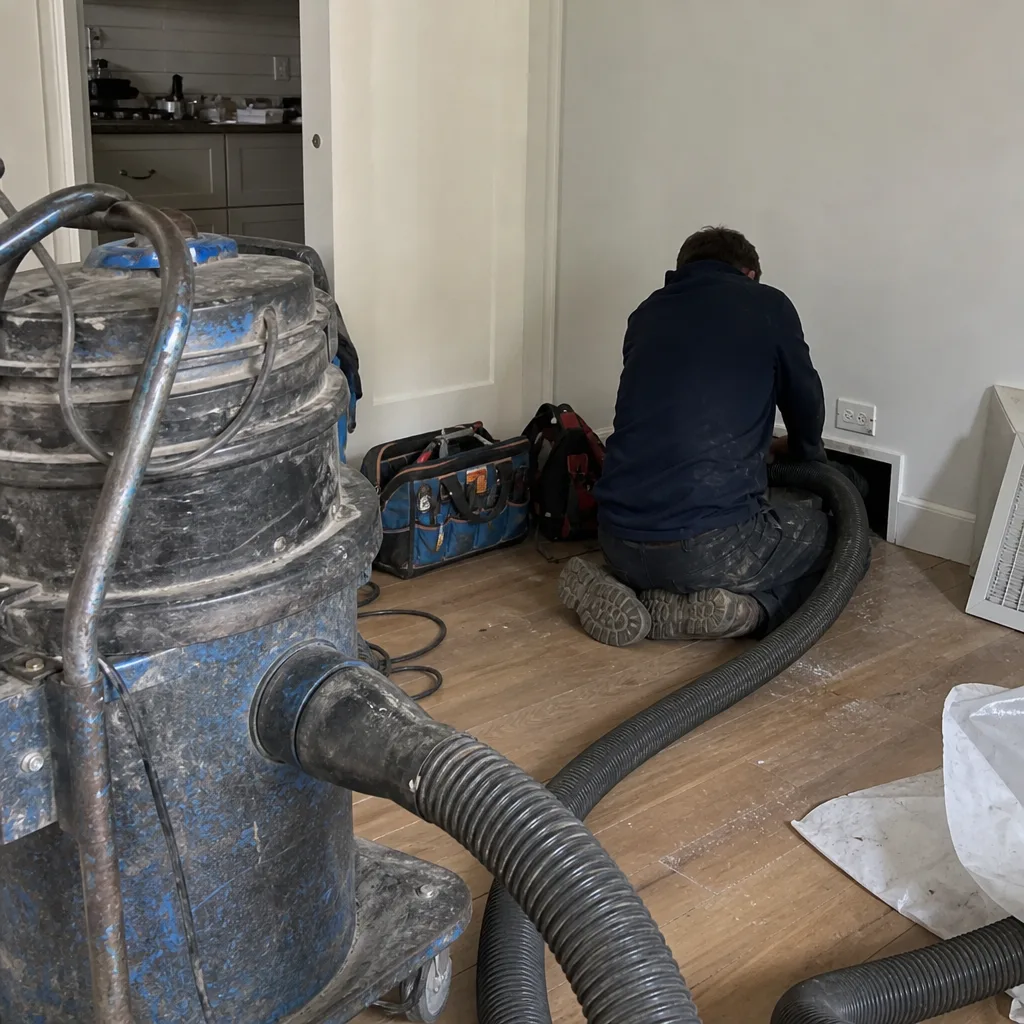 Before
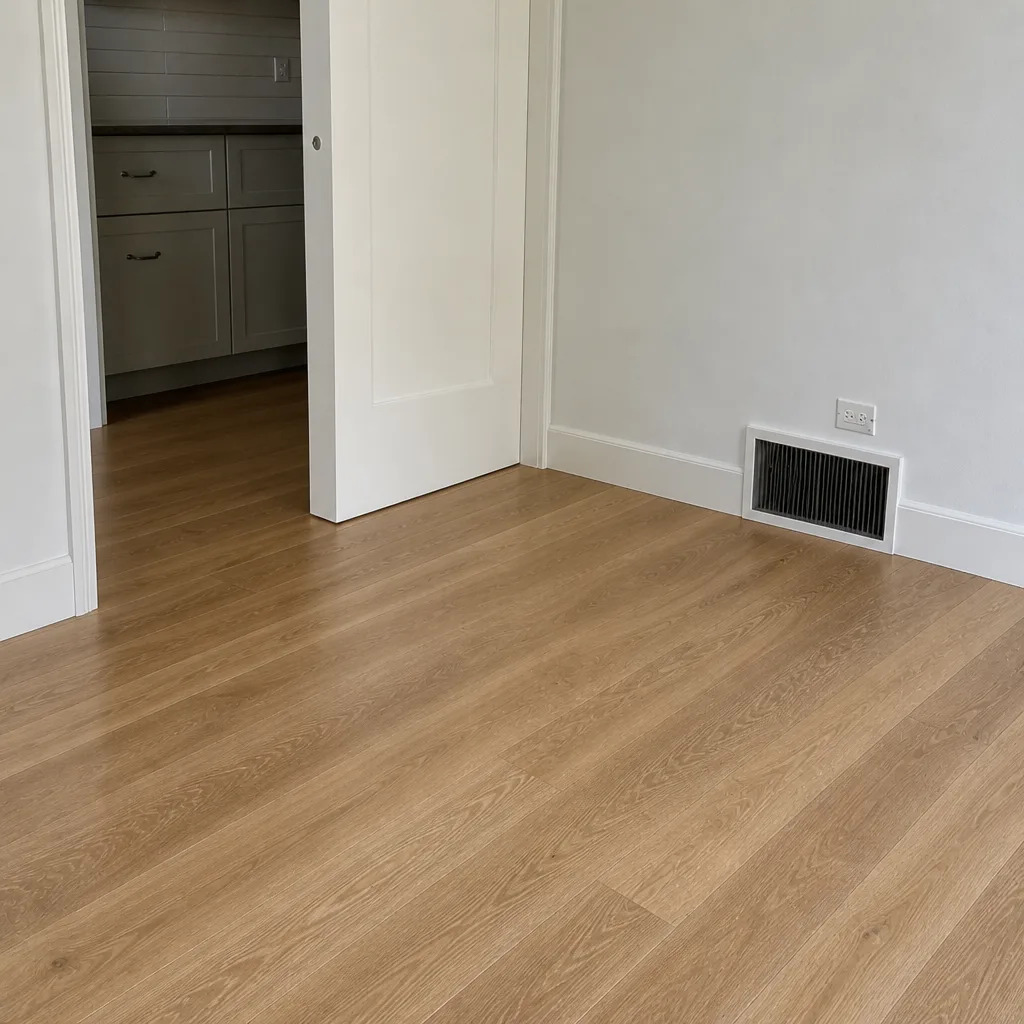 After
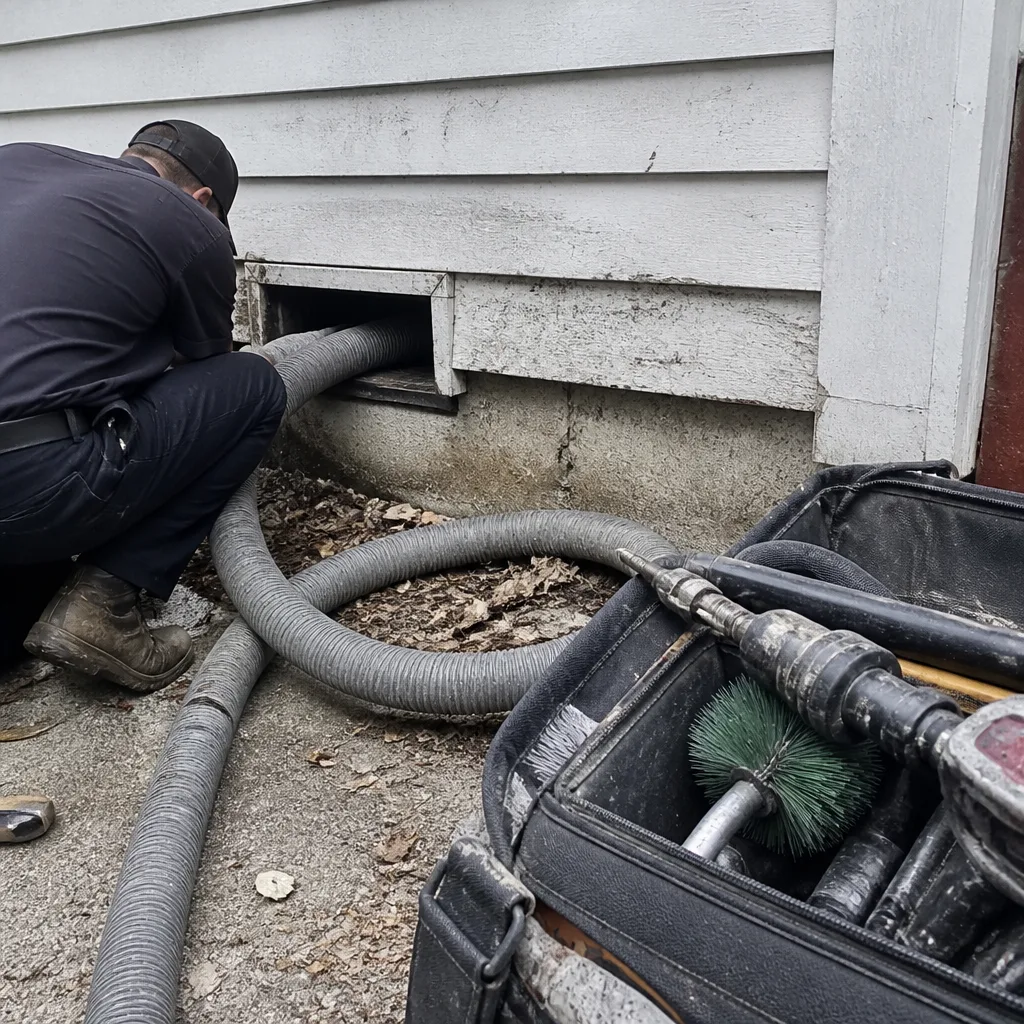 Before
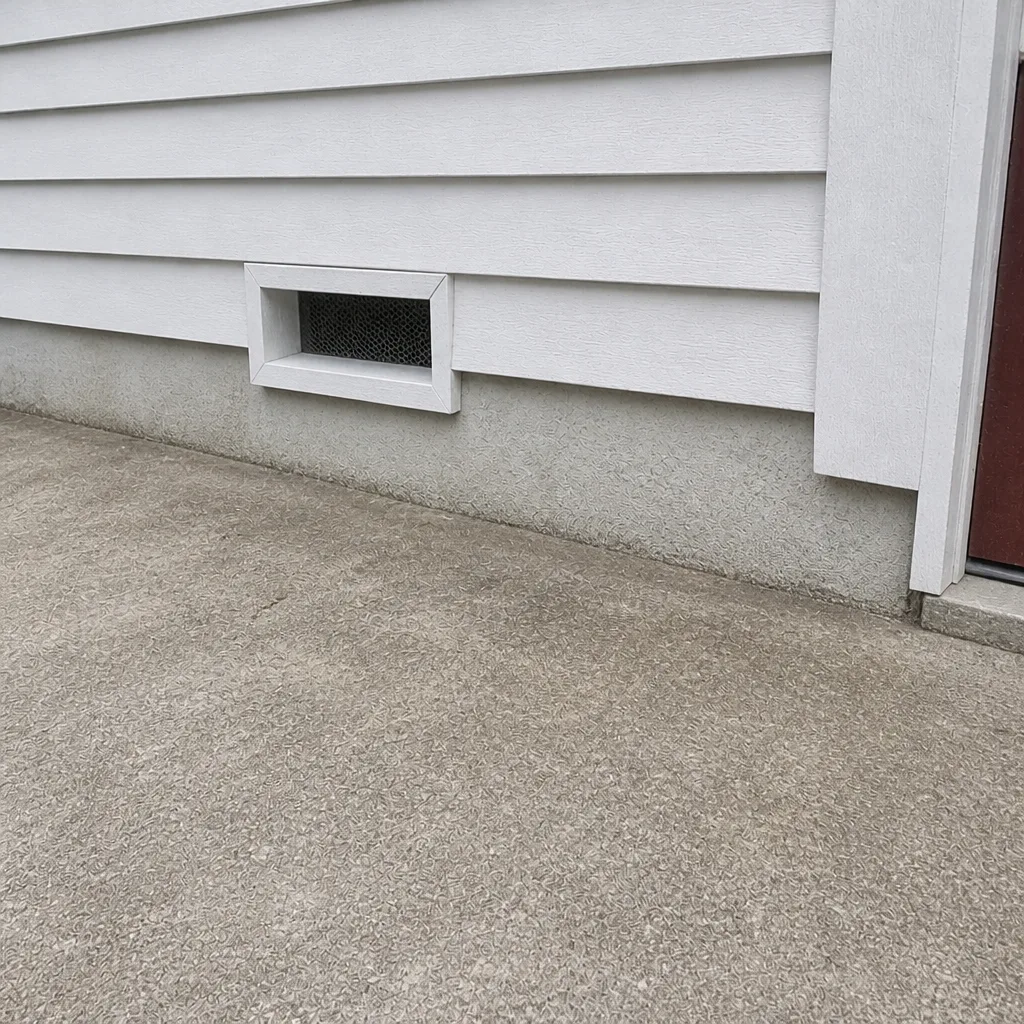 After
When to Call a Professional
Most homeowners who call us in Charleston have a specific trigger, not a vague intention to clean someday. The most common: musty or stale airflow when the system first kicks on, which usually means biological growth or moisture sitting in the plenum or air handler. A second common trigger is a recent renovation that pushed drywall dust and debris into the return system. A third is an HVAC efficiency problem – the system is running longer than it used to, or the utility bill has crept up, and the ducts were never checked. A fourth is a dryer taking two cycles to dry one load, which usually means a clogged dryer vent rather than a clogged duct system, and that requires action.
If any of those describe your situation, don’t wait for the system to fail. Also don’t call the cheapest ad on the mailer. Follow the framework: equipment questions, scope document, COI, price per system. Charleston Duct Cleaning offers free estimates in Charleston – call (888) 274-9947. Our technicians have up to 15 years of experience, and we run Rotobrush and Nikro professional extraction systems with Abatement Technologies air scrubbers on every job, which means we can answer all five equipment questions before you ask them.
For a closer look at the main service – including what’s included in a per-system quote – see our air duct cleaning page. If your trigger is the dryer, our dryer vent cleaning page covers that side of the job separately.
Frequently Asked Questions
Pricing is set per system, based on the written estimate, and depends on the number of HVAC systems, linear footage, and accessibility of the runs. A two-system home with attic runs in Mount Pleasant typically costs more to service than a single-system crawlspace home downtown. Call (888) 274-9947 for a free estimate. The written price is the price – no per-vent math, no mid-job surprises.
NADCA membership is a company-level affiliation involving dues and an ethics agreement. NADCA certification, such as the ASCS credential, is awarded to individual technicians after training and passing an exam. Ask for both. A company that can name a certified technician is verifiably accountable; a company that only displays a member badge is not.
Yes. Flex duct that is pinched or has loose connections can be crushed or torn by an overpowered vacuum, and a runaway brush can shred old ductboard. This is why containment and controlled extraction matter more than raw suction. A contractor who can’t describe negative pressure setup and HEPA filtration is a real damage risk. Call (888) 274-9947 for a free estimate if you want the job done with controlled equipment.
Because they describe a different job. A quote under $200 for a whole-house cleaning either assumes consumer-grade equipment instead of HEPA vacuum rigs and air scrubbers, or the price grows on-site. Neither outcome serves the customer. If the quote doesn’t include a named equipment list, a scope document, and coverage specifics, the low price is the entire pitch.
You see it. Before-and-after footage of the customer’s own ducts is part of the deliverable, and a proper contractor shows it on paper or on-screen before leaving. Without that, “we cleaned your ducts” is a claim, not a result. If the contractor can’t show documentation, ask why.
There’s no universal number, because the answer depends on the home. Most Charleston homes that follow the framework here call for duct cleaning after a major renovation, after a moisture or mold event, or when the system’s airflow starts to feel different – roughly every few years in a normal home. Homes with pets, recent construction, or chronic humidity issues may need it more often. No contractor should quote a “standard” schedule without inspecting first.
Yes. Repair is part of the service, not a referral. If the technician finds crushed flex, detached plenum connections, or moisture damage, they can find, fix, and seal it during the same engagement. If a Charleston contractor hands you a referral slip, that’s a sign they don’t have repair capability. Call (888) 274-9947 for a free estimate from a team that repairs what it finds.
Homeowner’s insurance rarely covers routine duct cleaning, but it may cover damage from a water event, a fire, or a covered contractor’s negligence. The contractor’s own liability coverage is where your protection lives for damage caused during the job. Request the certificate of insurance and ask whether “care, custody and control” is on the policy. Without that paper, you’re relying on a verbal promise.
The Bottom Line
Hiring a duct cleaning contractor in Charleston comes down to verifiable process, not price and not advertising. Ask the five equipment questions. Confirm NADCA certification at the individual level, not just membership. Request a scope-of-work document before booking. Treat a whole-house quote under $200 as a process red flag. Get the certificate of insurance in writing. Watch for before-and-after footage of your own ducts, and if damage is found, expect it to be repaired rather than referred. That framework is what separates a professional specialist from a truck with a coupon, and following it is the reason the job gets done right the first time. Whether you hire our team or another one, use the questions and the checklist above. The right answer will be obvious in a phone call.
Ready to talk? Call (888) 274-9947. We answer 24/7. Fast dispatch from 7am to 7pm, Sunday through Friday.
One specialist, three services – air duct cleaning, dryer vent cleaning, and duct repair – all from a team running professional-grade extraction and containment equipment. Cleaner air starts inside the ducts, not just the filter, and we’re glad to walk through any of it with you before you book.
Written by the team at Charleston Duct Cleaning.