
Last updated November 15, 2026
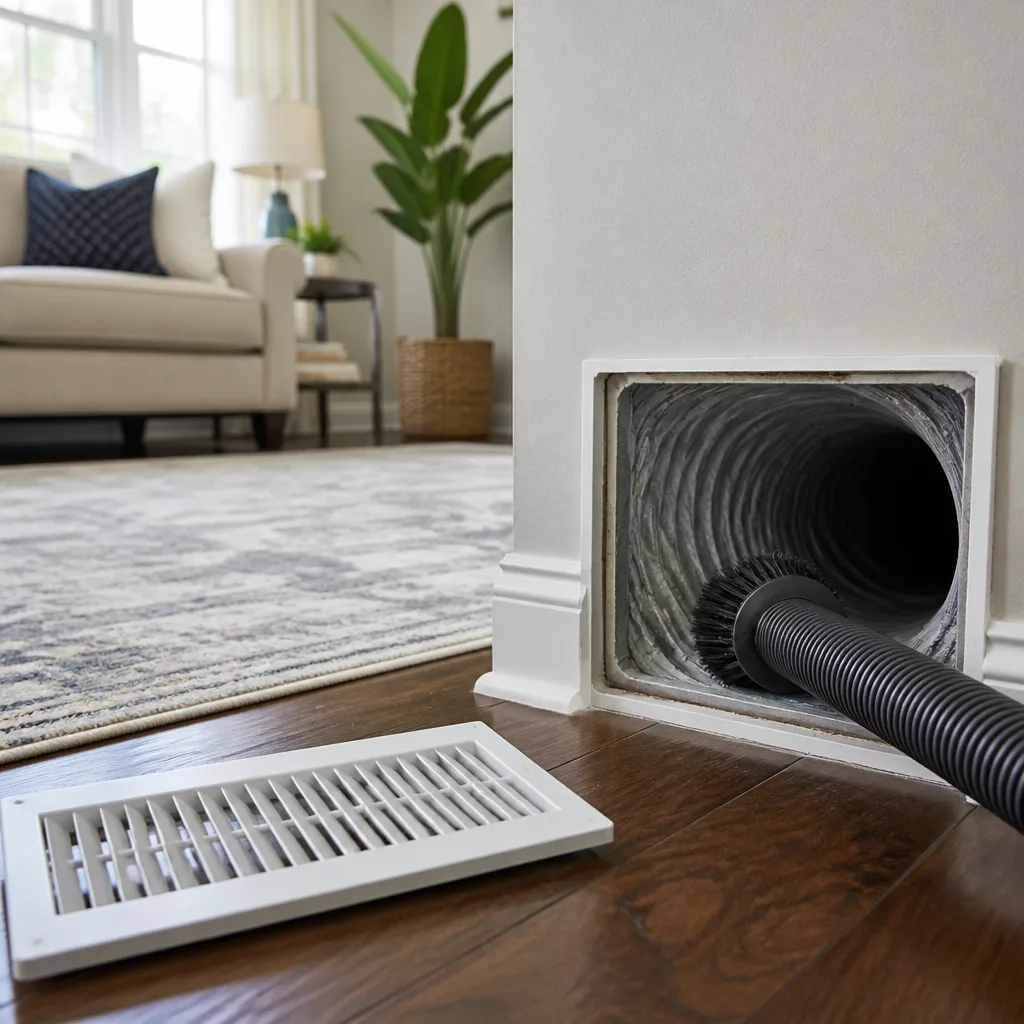 Whole-home duct cleaning
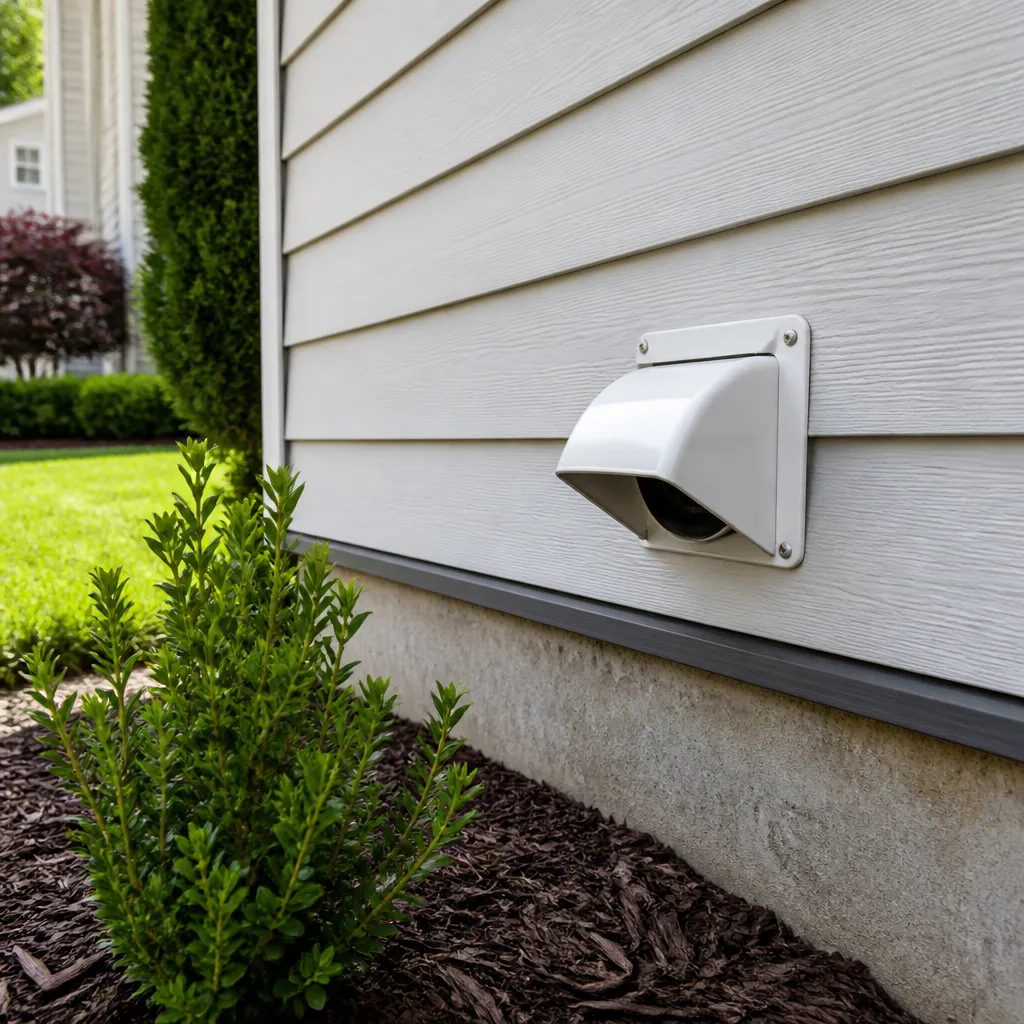 Dryer vent cleaning
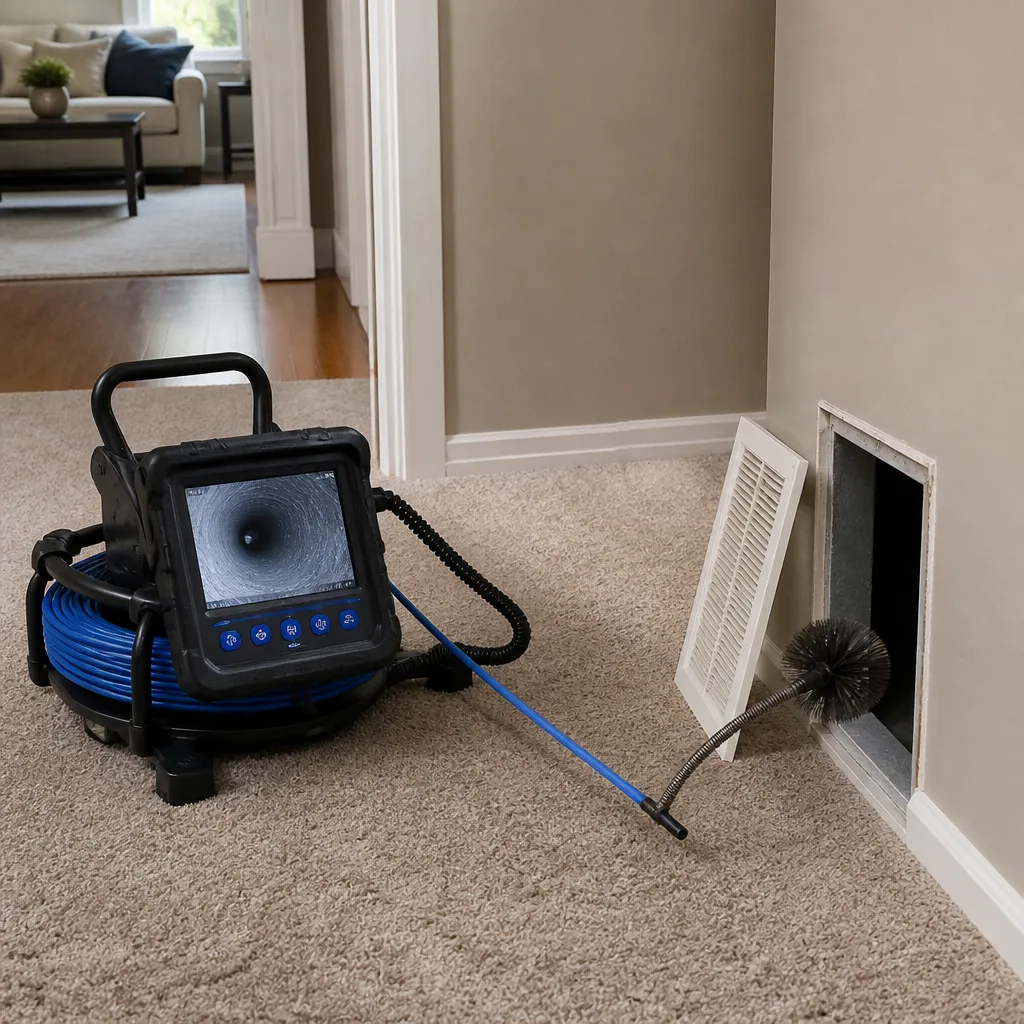 Camera inspection
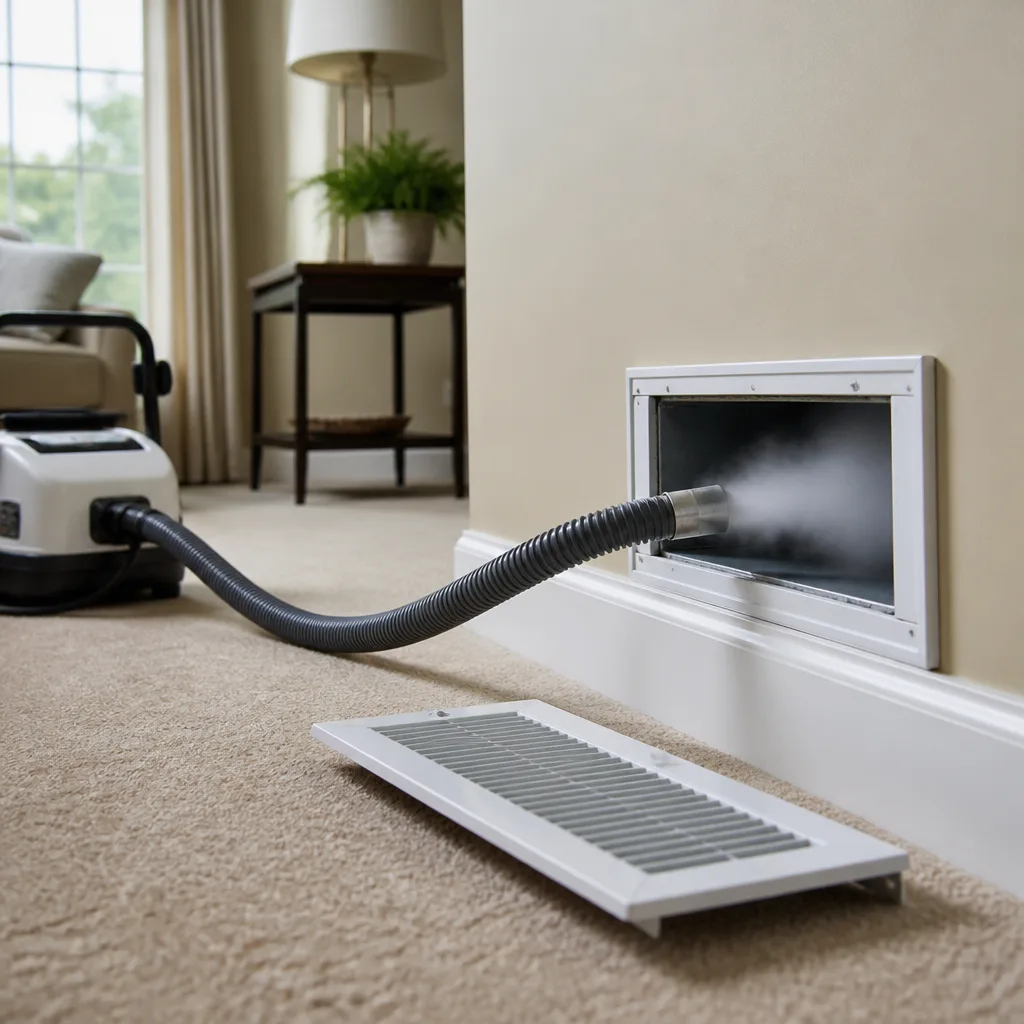 Sanitizing & deodorizing
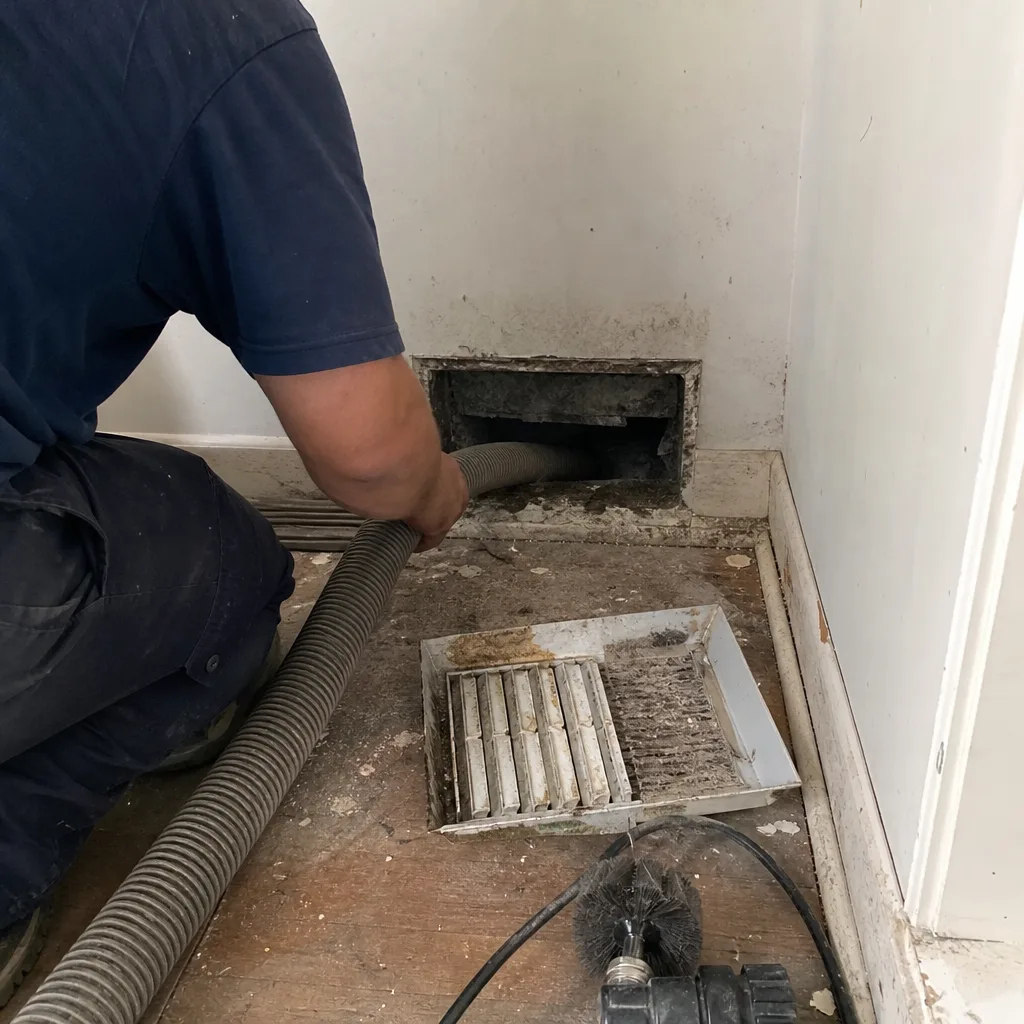
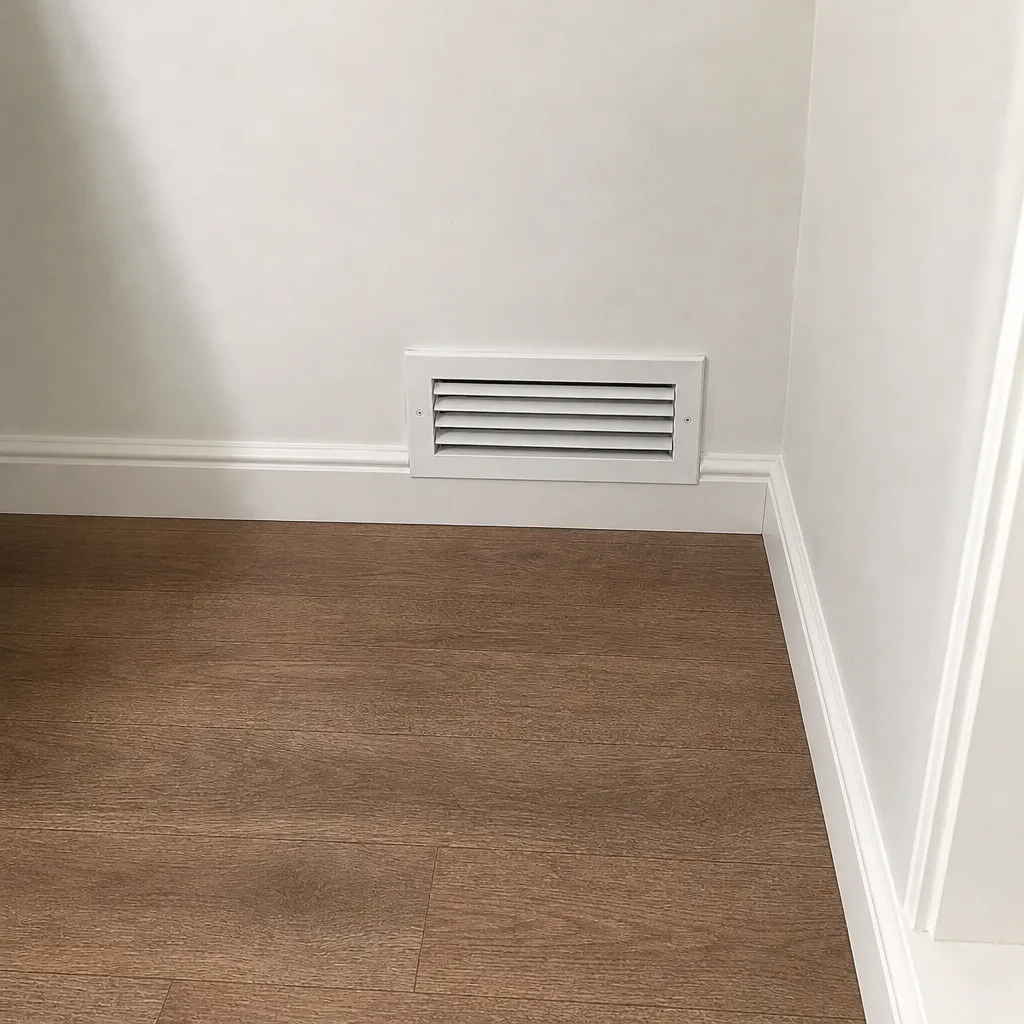
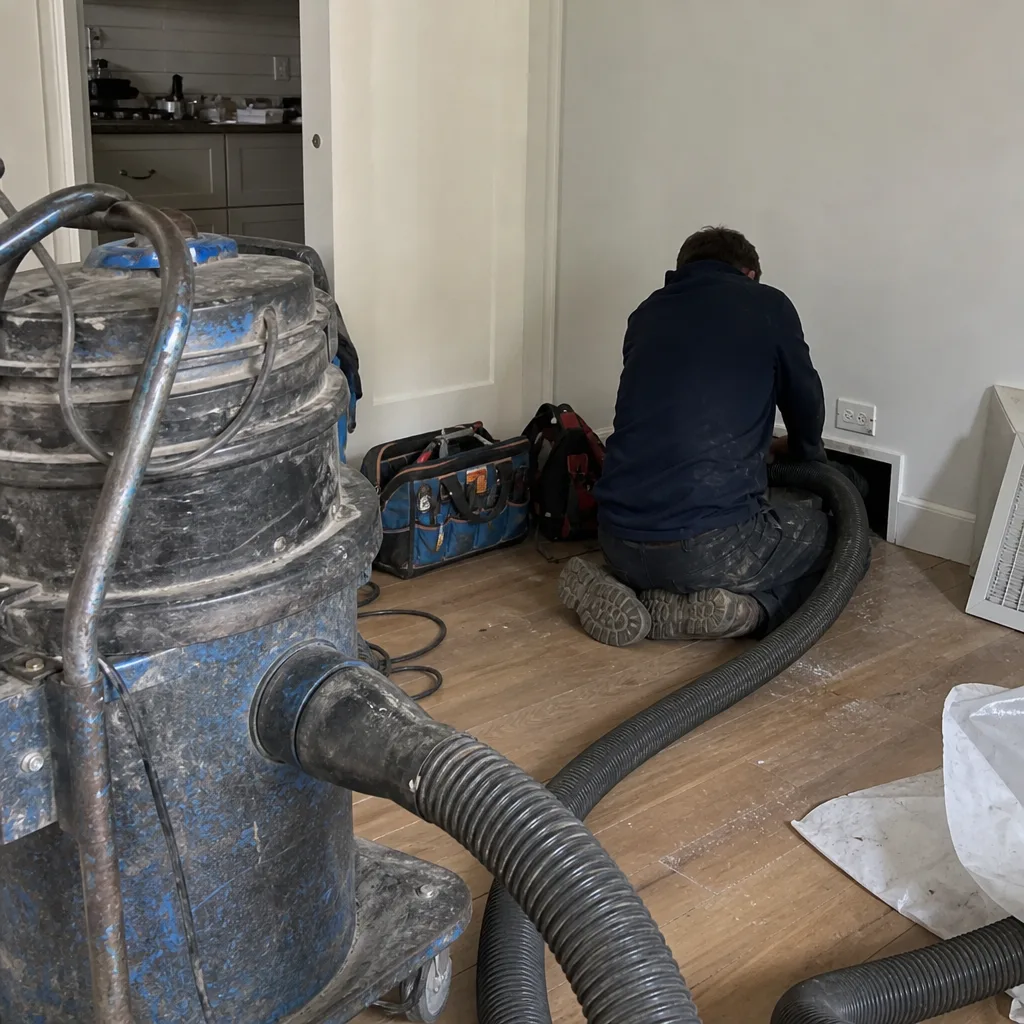
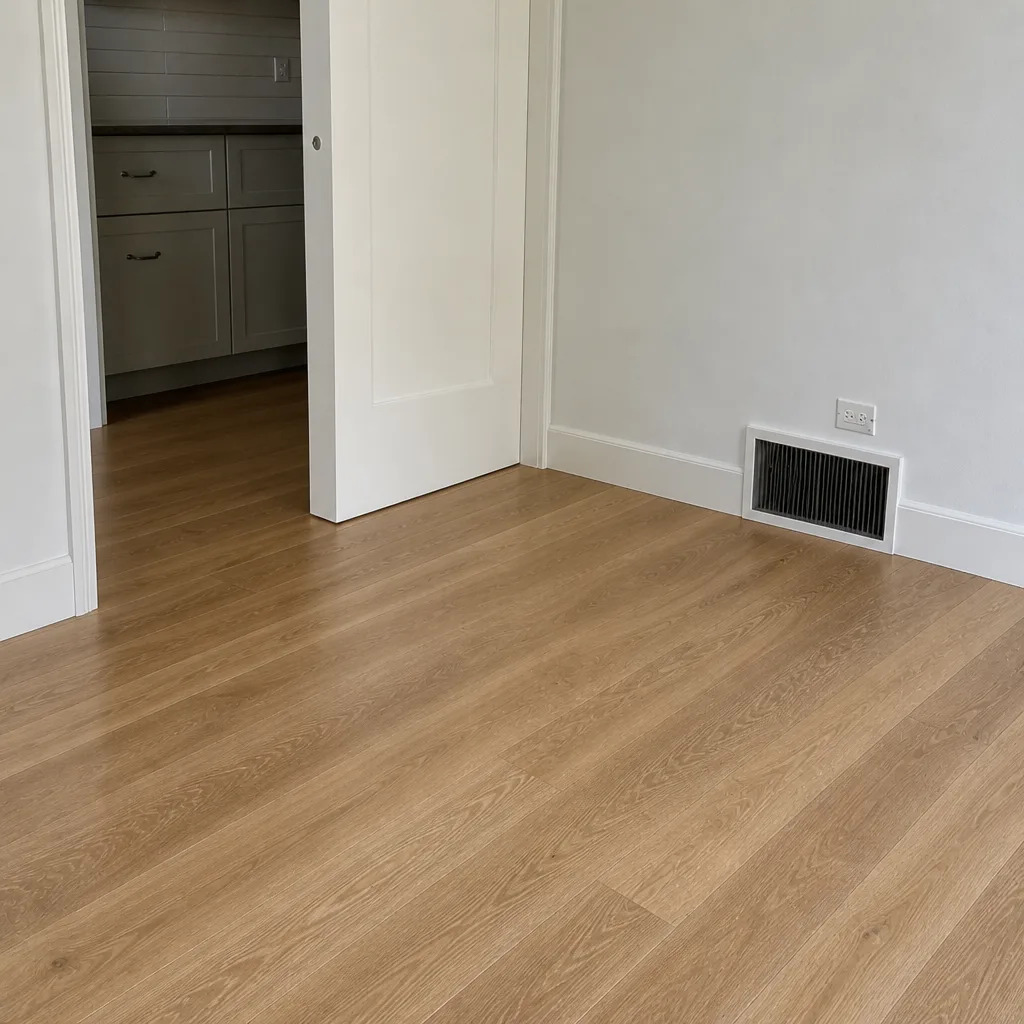
Whole-system duct and dryer vent check with before-and-after photos - you see exactly what came out of your vents
That "$99 whole-house special" is a bait ad - the real number appears once they are in your hallway, or the "clean" is a shop-vac at the register. We photograph the inside of your ducts before and after instead.
Air Duct Cleaning Troubleshooting in Charleston: Common Problems and How to Fix Them
If your house still smells musty two weeks after a duct cleaning, the cleaner probably didn’t fail. Your ducts most likely have a breach pulling unconditioned air from a crawl space, and no amount of vacuuming fixes that. It’s a repair job, not a re-clean. Most of the duct “cleaning” complaints we troubleshoot in Charleston turn out to be undiagnosed duct failures: collapsed flex runs, disconnected boots, seams that opened years ago. This guide teaches you to read the symptoms your system is already giving you, inspect the accessible parts yourself, and tell the difference between a cleaning job and a repair job before you spend money on either.
Quick Answer
When air duct cleaning doesn’t seem to work in Charleston, the cause is usually structural, not dirt: a disconnected or collapsed flex duct in the crawl space or attic, a boot that separated from the floor register, or a breach that pulls crawl space air into the supply system. A vacuum cleans what’s inside the ducts. Repair fixes the opening that keeps contaminating them. You need to know which problem you have before you book anything.
Styles & brands we work with
- Whole-home duct cleaning
- Dryer vent cleaning
- Camera inspection
- Sanitizing & deodorizing
Table of Contents
- Symptom-to-Cause: Reading What Your Ducts Are Telling You
- Why Charleston Crawl Spaces Are the #1 Hidden Cause
- How to Inspect Your Accessible Duct Runs Yourself
- Cleaning Scope vs. Repair Scope: Which Do You Actually Need?
- What a Correctly Done Duct Cleaning Looks Like
- The Documentation You Should Receive After the Job
- When the Problem Isn’t the HVAC Ducts at All
- What Duct Repair Actually Involves
Symptom-to-Cause: Reading What Your Ducts Are Telling You
Duct problems announce themselves through specific symptoms, and each symptom points toward a different cause. The mistake homeowners make is treating every symptom as a dirt problem, when dirt is often just the visible side effect of an air leak or a disconnected run. Here’s how the common complaints map to likely causes.
- Musty smell that returns within days of cleaning: Almost always a breach pulling air from a crawl space or a wall cavity. Cleaning removes what’s there; the breach replaces it. Cause is a leak or separation, not dirt.
- Uneven room temperatures: A disconnected or crushed duct run serving the affected room. Air is being dumped into the attic or crawl space instead of into the room. You’ll usually see a wide gap between the thermostat setpoint and the actual reading in that room.
- Energy bill jumps after cleaning: A duct run that came loose during the cleaning, most often at a boot or collar connection that was already weak. Short of that, a technician who moved insulation or flex duct and didn’t reseat it.
- Excess dust settling on furniture shortly after cleaning: Ducts were cleaned but not contained, so particulate was redistributed through the home rather than extracted. This points to a process problem, not a duct problem.
- Whistling or roaring at a register: A partially disconnected boot or a flex run pinched shut. Air is forcing its way through a smaller opening than the system was designed for.
- Weak airflow at registers far from the air handler: A crush point somewhere along the run, common in flex duct that was stepped on during a renovation or compressed at a tight turn.
None of these is fixed by a second cleaning. The symptom is the dirt or the noise; the cause is the opening, the crush, or the break. That distinction shapes everything else in this guide, and it’s the one discount cleaners rarely explain because their van carries a vacuum, not repair materials.
Why Charleston Crawl Spaces Are the #1 Hidden Cause
Charleston’s older homes sit low, and many of them sit over crawl spaces instead of slabs or basements. That construction is a strong defense against flooding, but it creates a specific duct risk. When supply trunks and flex runs pass through the crawl space and one of them develops a break, the system pulls in whatever is down there: soil, mildew, insulation fibers, and the general damp-air mix that lives beneath an older Charleston house.
The result is that a breach contaminates the supply side continuously, even after a cleaning. The homeowner smells mustiness, assumes the ducts are dirty, hires a cleaner, gets a clean-looking result, and finds the smell back within two weeks. Nothing went wrong with the cleaning. The breach is doing its job: pulling outside air in.
In our experience troubleshooting Charleston systems, crawl space breaches are the single most common cause of “the cleaning didn’t work” calls. The city’s humidity makes the effect worse, because a breach doesn’t just bring in particles. It brings in moisture. Every summer, that moisture passes through the duct run and into the living space. A crawl space breach turns the duct system into a slow, quiet path for the humid air around the house.
The good news is that once you find the breach, it’s fixable. Repair capability on the service visit is the dividing line between a company that can solve this and one that can only clean around it. When you air duct cleaning service is scheduled without a repair capability, the technician has no tools to fix what he finds, so the problem stays.
How to Inspect Your Accessible Duct Runs Yourself
Before you call anyone, spend 20 minutes with a flashlight and your eyes. You don’t need to disassemble anything, and you shouldn’t touch the system while the air handler is running. Here’s a numbered checklist that covers the accessible parts of most Charleston homes.
- Find your access points. Look for the air handler closet, a crawl space hatch, and any attic access. Most supply runs are visible through at least one of these.
- Inspect the boots at each floor register. Look at where the duct meets the metal boot that connects to the vent. A visible gap, a separated collar, or tape that’s peeled loose is a breach. Run your hand near it while the system runs and feel for air escaping.
- Trace the flex runs. Follow each flex duct from the plenum to the boot. Look for crushed sections, sharp bends, debris resting on the run, or duct lying directly on the ground.
- Look for disconnected sections. Flex duct connects to collars with ties or tape. A separated joint is the most common structural failure. It’s often visible from a few feet away.
- Check for moisture and staining. Any dark staining, condensation, or visible mildew on duct insulation points toward a break in that area.
- Test register airflow with your hand. Hold your palm a few inches from each register and compare the force. A noticeably weak register usually has a crushed or disconnected run feeding it.
- Note anything you can’t see. Runs that pass through walls or inaccessible attics can’t be checked. Write those down so the technician knows the full picture.
You don’t need to diagnose anything yourself. Your goal is to arrive at the conversation with a list, so a technician can address the right problem instead of selling you the standard service in the catalog. That’s a different, more useful conversation.
Cleaning Scope vs. Repair Scope: Which Do You Actually Need?
Cleaning and repair are two different trades, and only one of them is usually in the van that shows up at your door. Cleaning removes accumulated material from inside the ductwork. Repair finds and seals breaches, reconnects separated runs, and restores proper airflow. A company that only cleans is not equipped to tell you whether repair is needed, because diagnosing it costs them the sale. That’s the trade-off you’re paying for when you book on price alone.
Here’s how the two scopes break down in practice.
- Cleaning is the right answer when: Ducts are intact and connected, contamination is mostly dust and debris from normal use or a recent renovation, and the source of the contamination is inside the duct rather than outside it. The system has no prior history of odor return or airflow problems.
- Repair is the right answer when: You’ve had a cleaning and the symptom returned, a run is visibly crushed or disconnected, a boot has separated, or a room has consistently poor airflow that maps to a specific run. Repair is also the right answer when the contamination source is a breach rather than the duct interior itself.
- Both are the right answer when: The system has significant debris and a known breach. Repair should happen first or in the same visit, because cleaning a duct that’s still open to the crawl space just resets the clock.
We’re positioning this as a single specialist trade for exactly this reason. We run Charleston Duct Cleaning processes for the cleaning side and offer duct repair as a core service, not a referral. The same technician who finds a breach can seal it. You get one answer, not a company that cleans and another company that fixes.
What a Correctly Done Duct Cleaning Looks Like
Since a big part of the “doesn’t work” problem comes from process, it’s worth knowing what a properly executed duct cleaning looks like. The equipment class matters as much as the technician holding it. Consumer-grade vacuums pull material into a bag; professional systems use contact cleaning with rotating brushes and simultaneous HEPA extraction, plus containment so the material goes out of the system rather than into the room.
Here’s the process a professional cleaning should follow.
- Diagnose before cleaning. A technician should check airflow, inspect accessible runs, and identify any breaches before starting. Cleaning a compromised system without noting it sets you up for a return call.
- Set up containment. Air scrubbers and negative-pressure containment equipment should be in place before any brush touches the ductwork. This is where Abatement Technologies equipment shows up in a professional setup. It captures airborne particulate during cleaning rather than letting it recirculate through the home.
- Use professional extraction. Rotobrush rotating-brush systems and Nikro HEPA vacuum rigs are the tier of equipment used in commercial and restoration projects. Both connect brush action with simultaneous extraction, so the material comes out as it’s loosened.
- Work systematically. Every supply and return run should be cleaned, not just the main trunk. A partial job leaves the dirty runs as reservoirs that re-contaminate the rest.
- Document the result. Before-and-after photos and any airflow readings the technician takes should be available to you. A company that doesn’t keep records can’t prove the job was completed.
- Recheck airflow and re-seat connections. Any boot or collar that was opened for cleaning should be reseated and connected before the tech leaves. A loose connection that goes undiscovered is exactly the failure mode described above.
If a company can’t tell you what equipment they run or won’t show you the before-and-after images from your own system, that’s information to factor into your decision. If you’re comparing quotes and the price is dramatically lower, the dryer vent cleaning category is often where the low-end pricing comes from, so read the scope carefully.
The Documentation You Should Receive After the Job
The single most useful thing you can ask for after a duct cleaning is documentation of what was actually done and what was found. Photos of the ducts before and after, taken from the same angles, show whether the work was performed and whether anything changed. Airflow readings at each register, before and after, show whether the cleaning made a difference. A written report that flags any breaches or disconnected runs found during the process tells you what the next visit needs to address.
This is also how you verify a claim later. If the musty smell comes back and you have photos showing an intact duct at the time of cleaning, plus a note about a minor crawl space breach, you have a path forward. If you have no documentation, you’re guessing. A company that runs professional containment and extraction equipment should produce this record as a standard part of the job. Ask for it before you book, and if the answer is “we don’t do that,” you know what you’re getting.
Charleston property managers should apply the same standard to any building they manage. A written record of the state of each unit’s ductwork protects them from re-cleaning costs and gives the next vendor a baseline.
When the Problem Isn’t the HVAC Ducts at All
Not every airflow complaint traces back to HVAC ductwork. A dryer that takes two cycles to dry a load, or a laundry room that runs hot, points to the dryer exhaust line. Lint accumulates in the exhaust duct, restricts airflow, and increases drying time. The symptom looks like an HVAC problem only if you don’t think about where the heat is going. It’s a separate system with a separate fix.
Our dryer vent service is a focused line, not an add-on to an HVAC visit. If your complaint is a slow dryer rather than a musty smell, check the exhaust line before booking HVAC duct service. While you’re there, look at the exterior vent flap. If it’s stuck or blocked, the whole system is working against itself.
If you want more context on what a Charleston home usually needs from both services combined, that’s a fair conversation to have when the estimate is free. Call (888) 274-9947 to schedule it. We answer 24/7. Fast dispatch from 7am to 7pm, Sunday through Friday, closed Saturday.
What Duct Repair Actually Involves
Duct repair is a diagnostic and physical task, not a cleaning task. It starts with locating the breach or the disconnected run, which may mean crawling the crawl space, working in a tight attic, or tracing a run that’s been buried under insulation. Once it’s located, the fix depends on what’s wrong. A separated collar gets reconnected and sealed. A crushed flex run gets replaced. A boot separation gets repaired and re-taped. A split in the trunk gets patched and sealed.
In a Charleston home with a crawl space, that means the technician needs a clear path into the crawl space and a working light. It’s a physical job, and the difficulty depends on how accessible the run is. What matters more than the difficulty is whether the diagnosis happens before the cleaning. A repair-first approach means cleaning the ducts once, correctly, after the breach is closed. Cleaning first and repairing later means paying for two visits and resetting the contamination clock.
When you call us, the estimate is free and the scope of any repair is set in writing before the work starts. We’d rather tell you the system needs a repair than sell you a cleaning that won’t solve your problem.
Common Mistakes to Avoid
- Booking a cleaning before you know whether repair is needed. If the symptoms point to a structural failure, cleaning first costs money and delays the real fix.
- Assuming a second cleaning will solve a return of musty odor. If a smell comes back within two weeks, the cause is outside the ducts, and a fresh cleaning just re-covers the same ground.
- Hiring on price alone. The lowest quote is usually the one without repair capability, containment equipment, or documentation. Those three things cost money, and their absence is what the discount is made of.
- Letting a renovating contractor seal off the ducts. During a remodel, dust and debris enter the system through open boots. A simple taped cover over each register during the work saves a cleaning later.
- Skipping the crawl space inspection. In a Charleston home, the crawl space is where the answer usually lives. If a technician doesn’t want to go in, that’s a signal you’re going to get a cleaning without a diagnosis.
- Accepting a job with no photos. You can’t verify a cleaning you can’t see, and you can’t compare the result to the next visit without a baseline.
- Ignoring the dryer while you’re looking at the HVAC. If your concern is slow drying, the exhaust line is where to look. Booking HVAC duct service for a dryer symptom is the wrong call.
See the difference
 Before
 After
 Before
 After
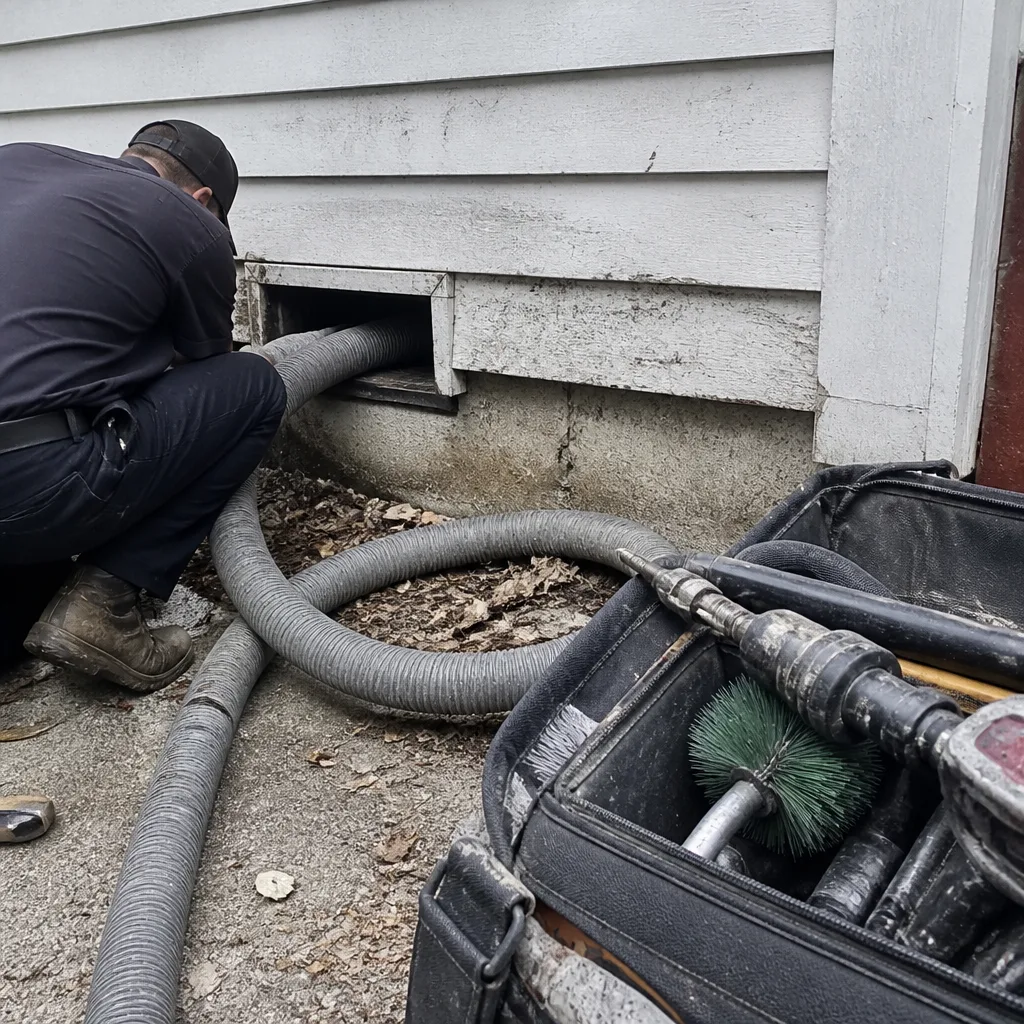 Before
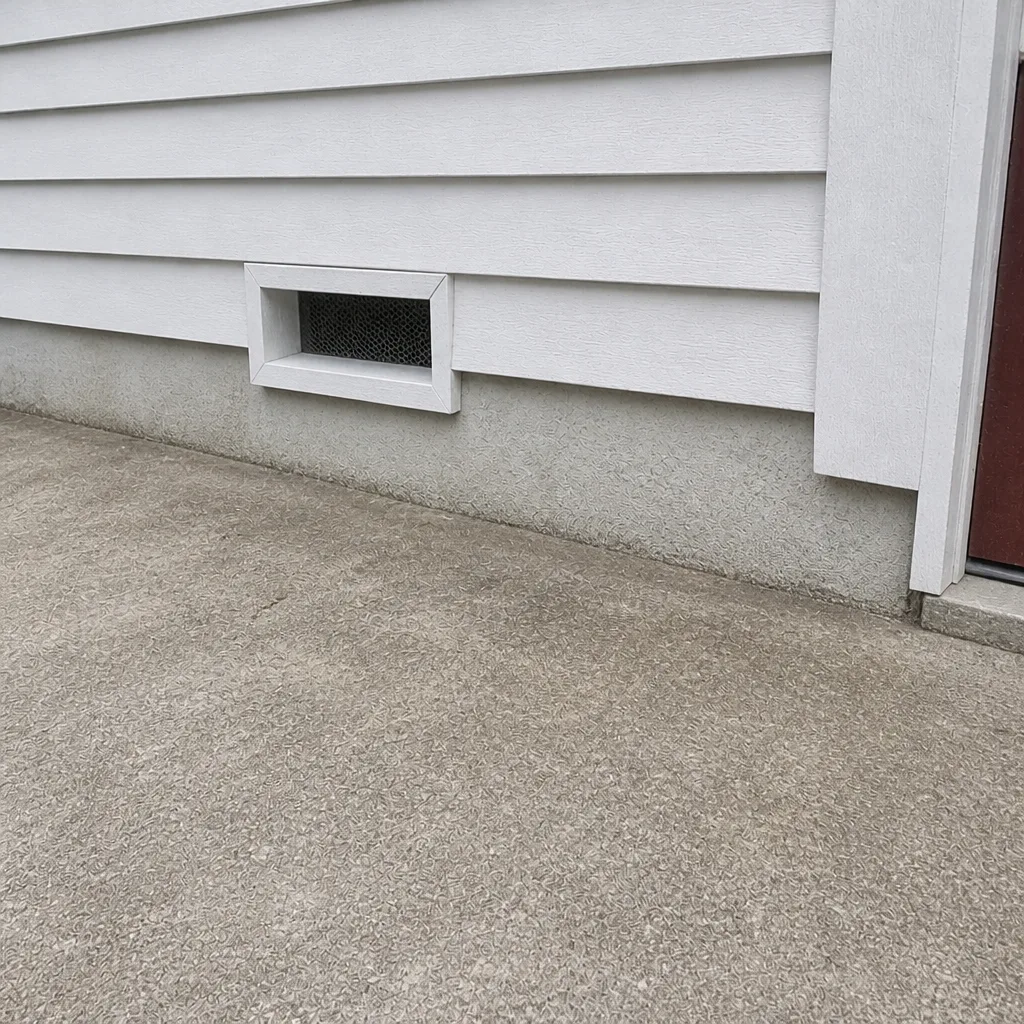 After
When to Call a Professional
Call when the symptom returns after a cleaning, when you’ve found a visible breach or disconnected run, when airflow at a specific register is noticeably weaker than the others, or when a renovation pushed debris into the system. Call when a crawl space or attic run is accessible and you’re not comfortable entering it, and call when you have a documented duct cleaning that didn’t change anything. A professional visit starts with diagnosis, not a pitch. Our technicians have up to 15 years of experience, and we use professional-grade equipment for both cleaning and repair. Charleston Duct Cleaning offers free estimates in Charleston. Call (888) 274-9947. We answer 24/7. Fast dispatch from 7am to 7pm, Sunday through Friday, closed Saturday.
Frequently Asked Questions
Because the cleaning removed dirt but did not fix the breach that keeps pulling crawl space air into the system. In a Charleston home, that’s almost always a disconnected boot, a separated flex run, or a crack in a supply trunk located in the crawl space. The fix is repair, not a second cleaning. Call (888) 274-9947 for a diagnostic estimate.
Yes, at the accessible runs, with a flashlight and the system off. Look for gaps at the boots, crushed flex duct, separated collars, and any staining on the insulation. Write down what you find and share it with the technician. The parts you can’t see, including runs through walls and inaccessible attics, need a professional.
It depends on the size of the system and whether repair is part of the job, and estimates are free. Pricing is set per job by the written estimate, not by a per-vent rate. The honest answer is that a quote you can’t tie to a documented scope is a quote you shouldn’t accept. Call (888) 274-9947 for an exact quote.
They usually omit containment equipment, professional extraction, repair capability, and photo documentation. A cleaner with a shop vac and no ability to repair a breach is a different service at a lower cost. Price should follow scope, not the other way around. We’d rather explain the difference than match a number that doesn’t reflect the work.
Ask for before-and-after photos of your own ducts and airflow readings at each register. A professional-grade cleaning with Rotobrush and Nikro systems plus Abatement Technologies containment produces a documentable result. If no documentation is offered, you can’t verify the job.
There’s no fixed schedule that fits every home. Renovation, pets, and visible debris at registers are better triggers than a calendar. In Charleston’s humidity, a crawl space breach is a stronger reason to schedule than a timeframe, because it keeps contaminating the supply until it’s repaired. Call (888) 274-9947 and we’ll help you decide what your system needs.
The Bottom Line
Most “duct cleaning didn’t work” complaints in Charleston aren’t cleaning failures. They’re undiagnosed breaches, crushed runs, and disconnected boots that keep pulling contaminants into a system someone just cleaned. Read your symptoms carefully, inspect the accessible runs yourself, and expect a diagnosis before a cleaning. Ask for documentation, ask what equipment the company runs, and ask whether they can repair what they find. The right answer for your house is the one that addresses the cause, not the symptom. If you want a diagnosis before a quote, we’re the specialist to call.
Charleston Duct Cleaning offers air duct cleaning, dryer vent cleaning, and air duct repair as one focused trade. Call (888) 274-9947 for a free estimate. We answer 24/7. Fast dispatch from 7am to 7pm, Sunday through Friday, closed Saturday. Professional-grade equipment, honest scoping, and repairs we can make on the same visit.
Written by the team at Charleston Duct Cleaning.