
Last updated November 15, 2026
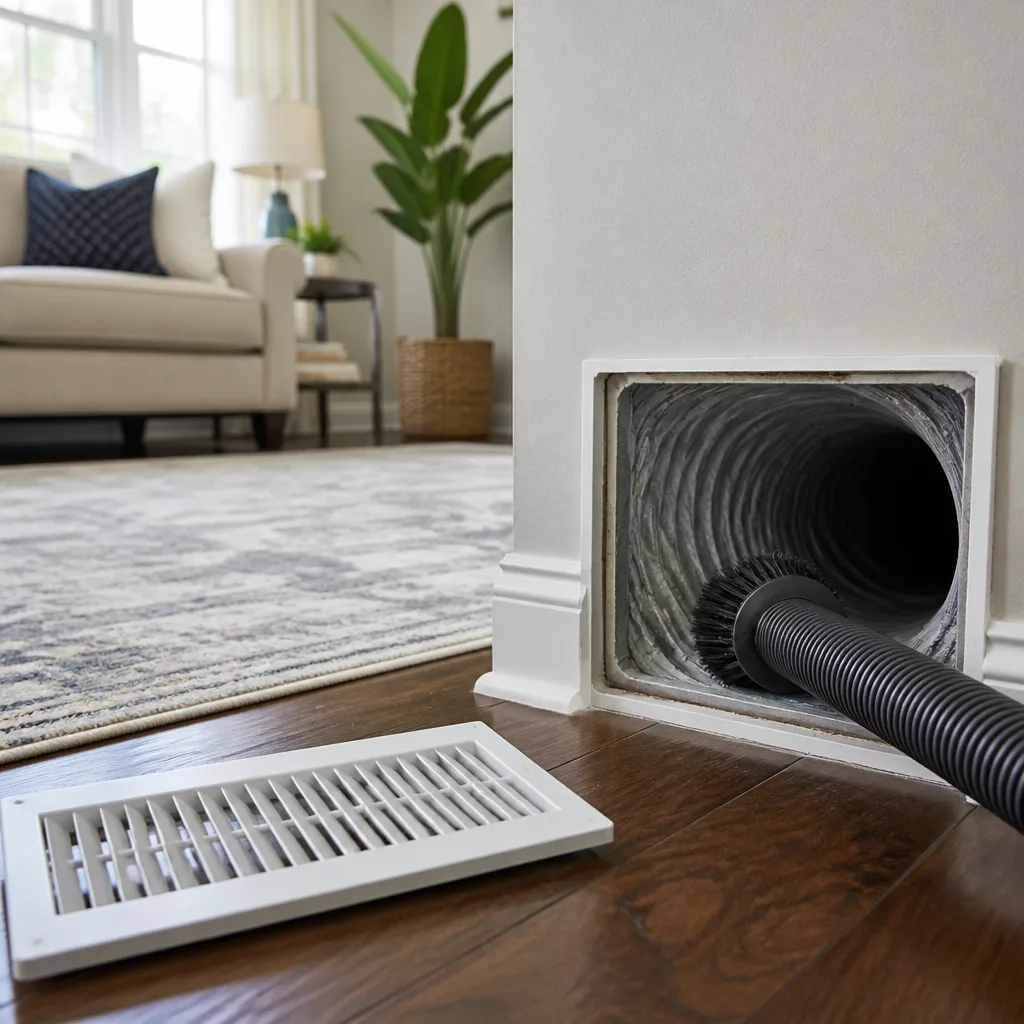 Whole-home duct cleaning
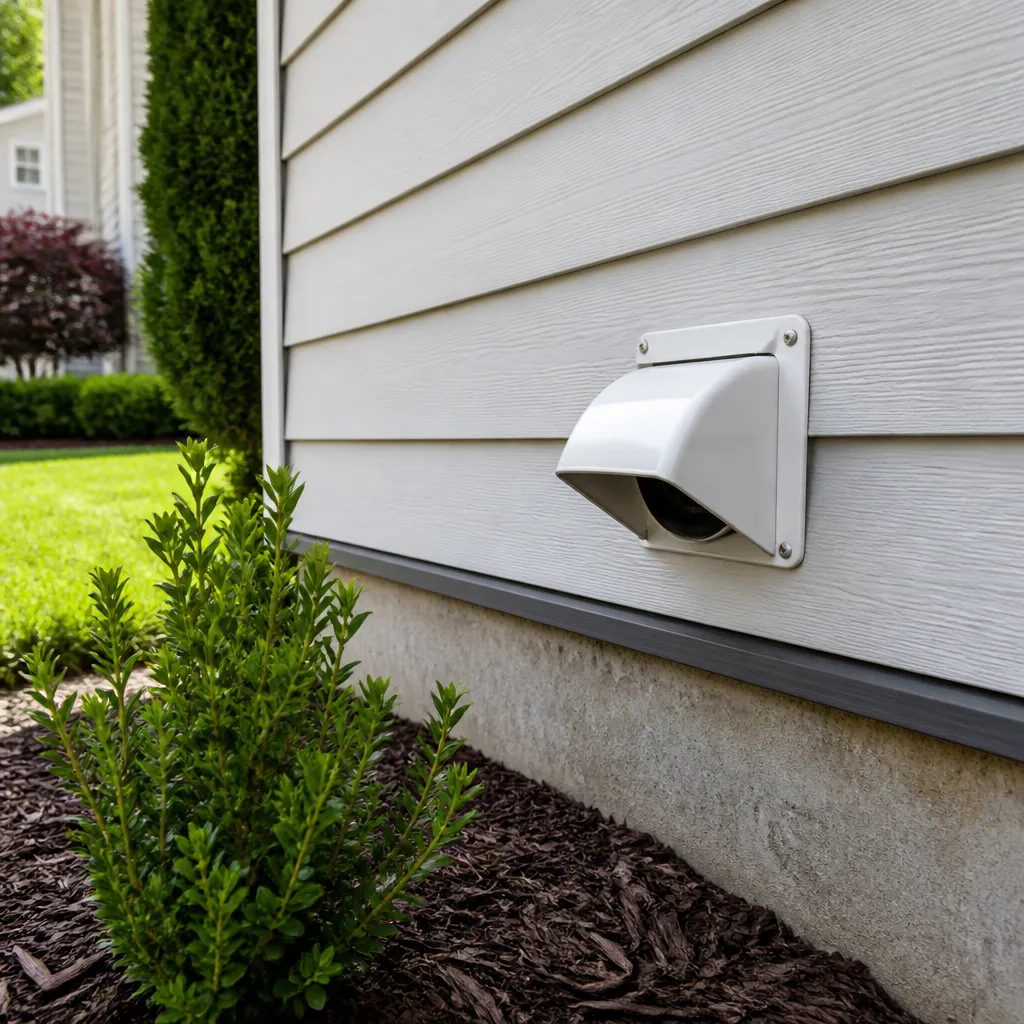 Dryer vent cleaning
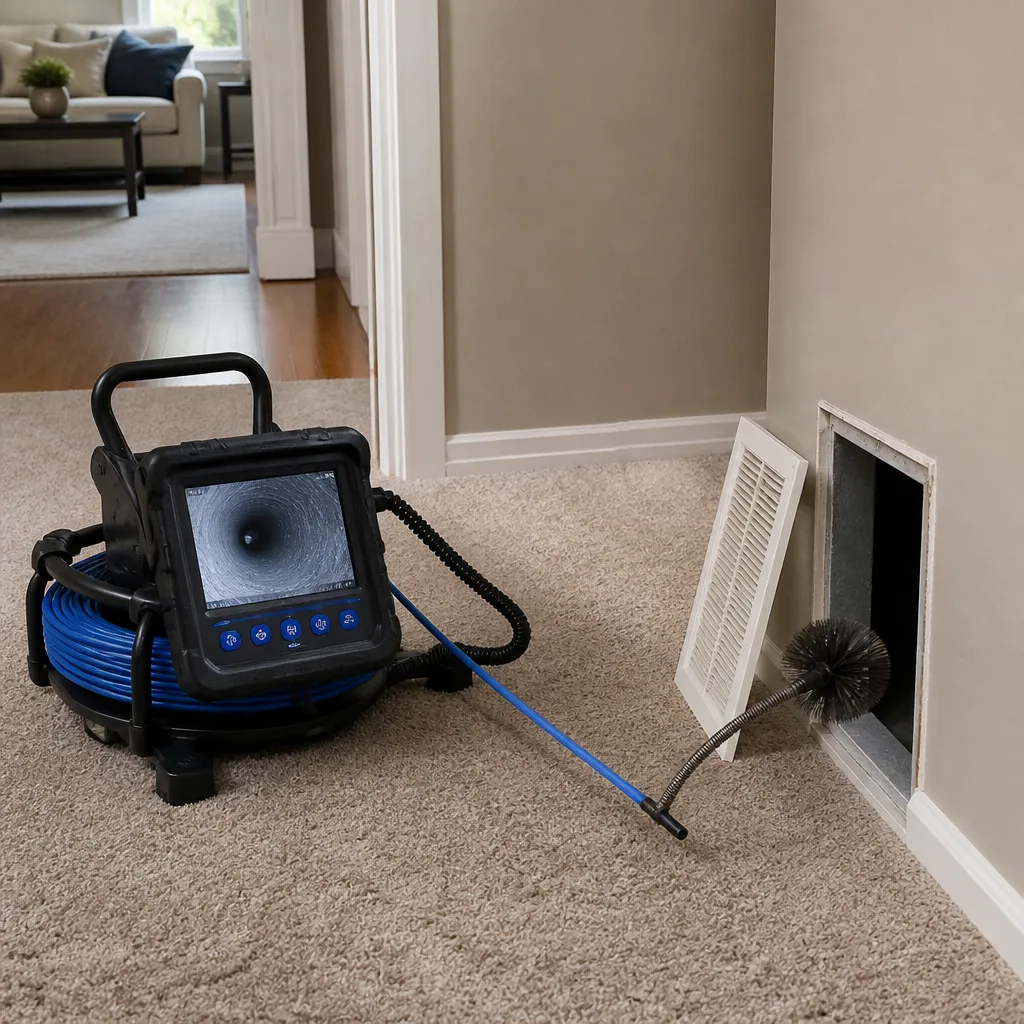 Camera inspection
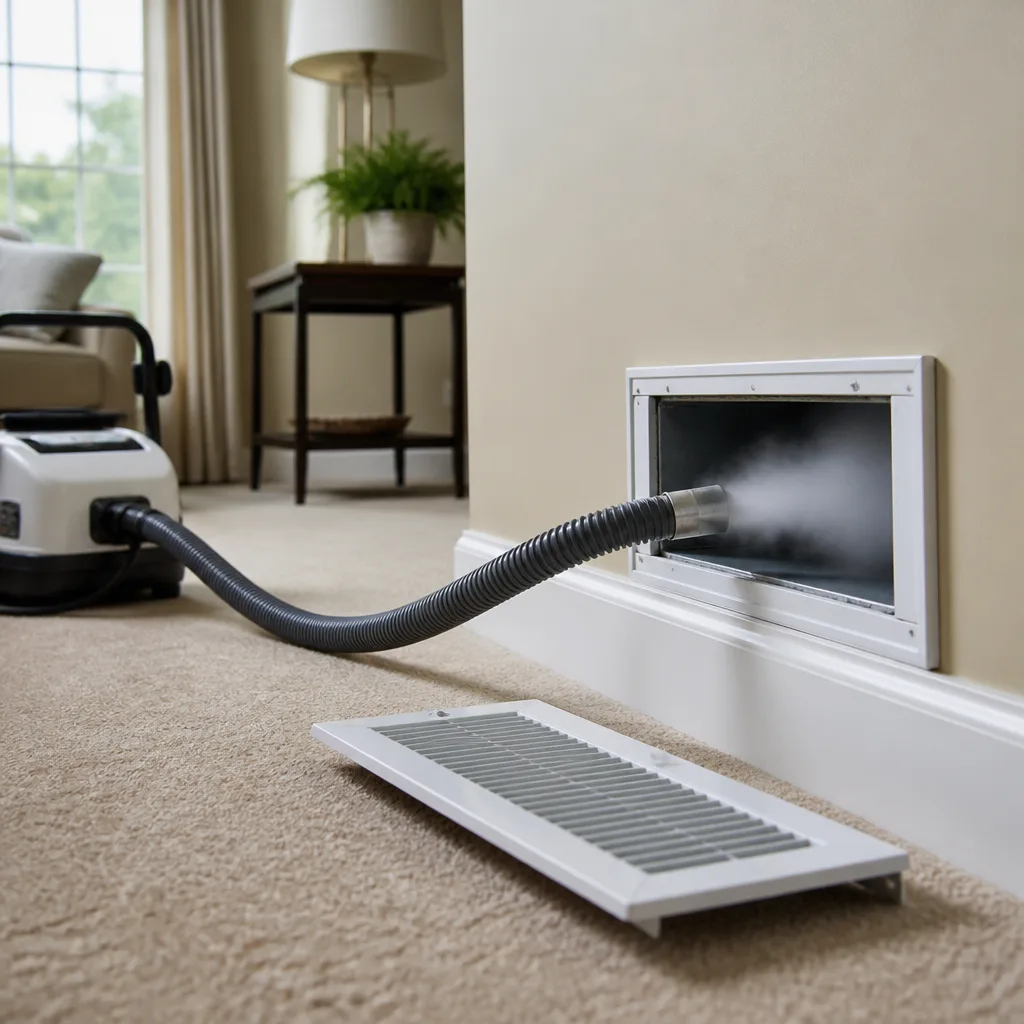 Sanitizing & deodorizing
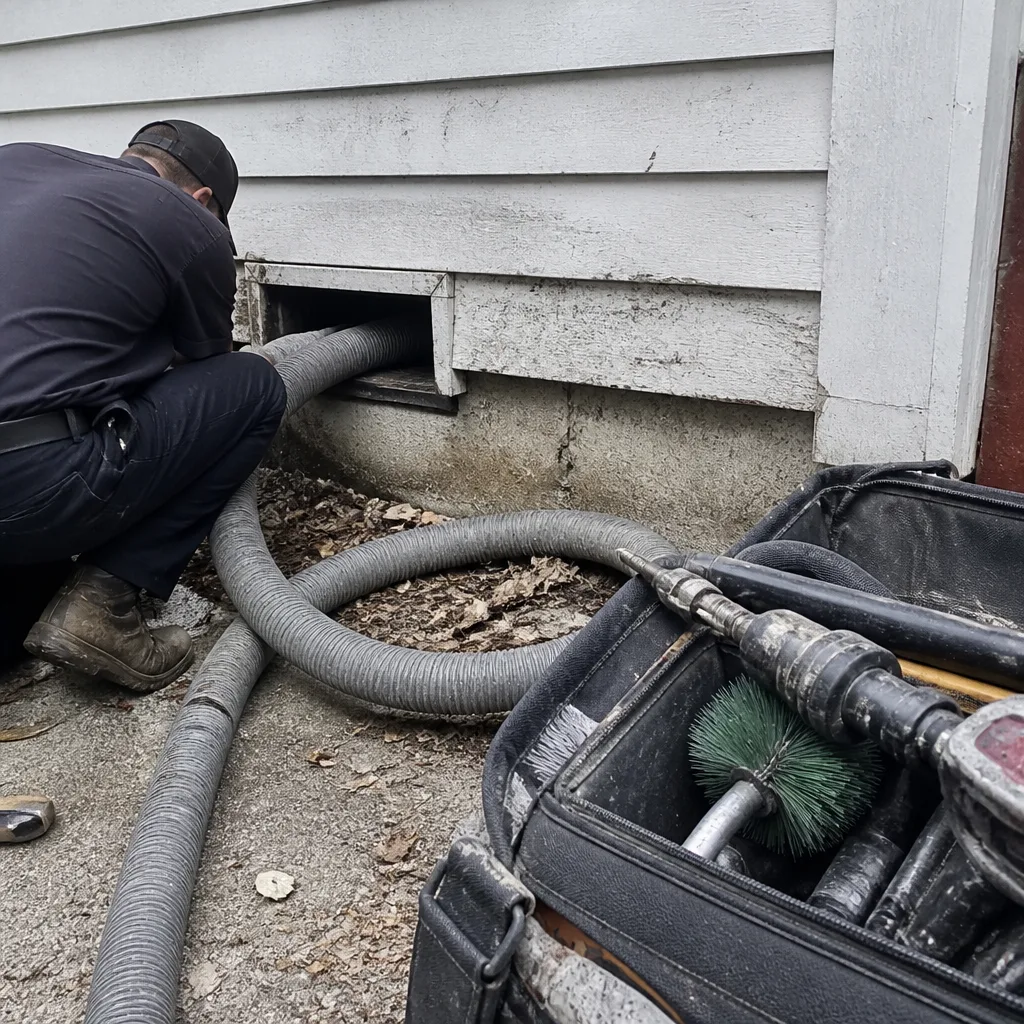
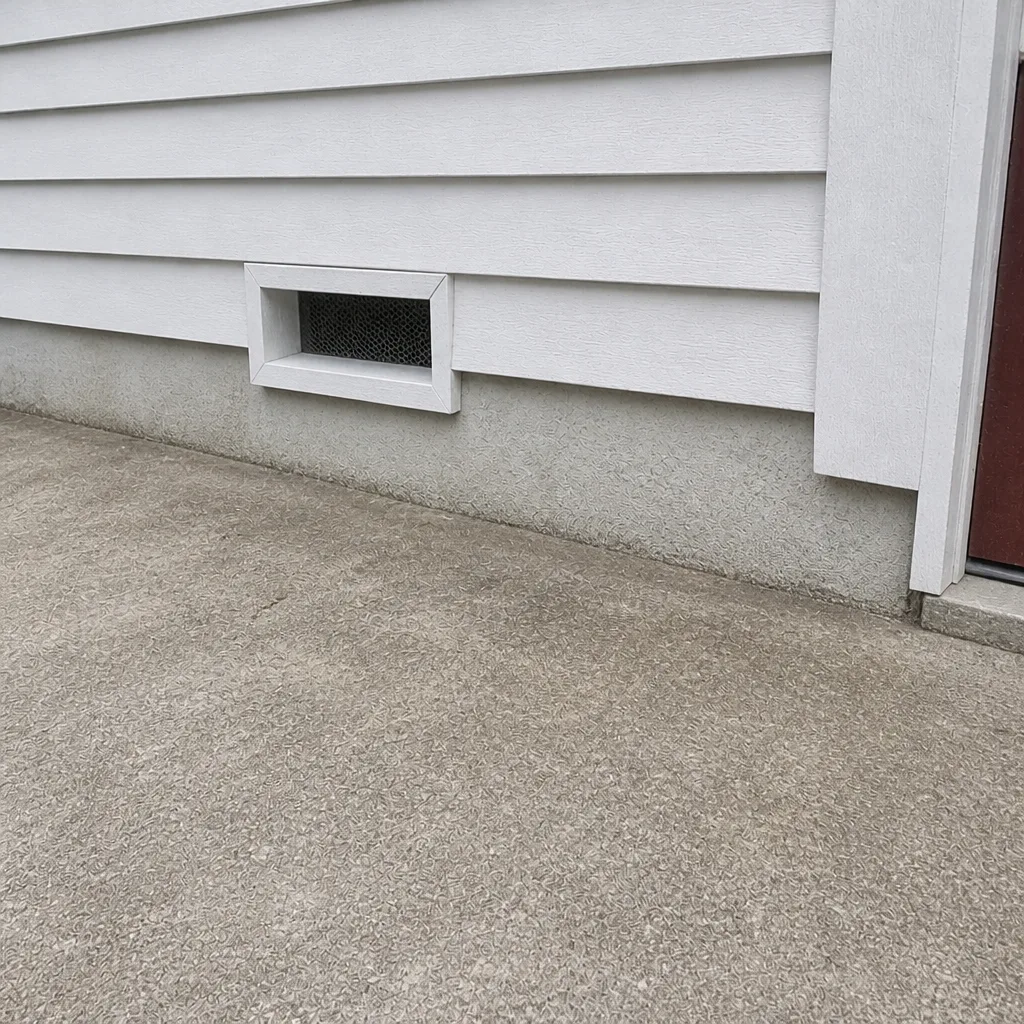
Whole-system duct and dryer vent check with before-and-after photos - you see exactly what came out of your vents
That "$99 whole-house special" is a bait ad - the real number appears once they are in your hallway, or the "clean" is a shop-vac at the register. We photograph the inside of your ducts before and after instead.
Air Duct Cleaning Permits, Codes & Inspections in Charleston, SC: What You Need to Know
Here’s the part of duct work almost nobody explains. Routine cleaning of ducts is maintenance and doesn’t require a permit in Charleston. Repairing them, cutting into them, replacing a run, or moving a section to serve a new room does. The line between cleaning and regulated mechanical work is where trouble starts, because a company can clean your ducts all afternoon with no permit in sight, then seal a torn joint on the way out and quietly cross into work that should have been reviewed and inspected. When that happens, the paperwork problem lands on the homeowner, not the contractor. This guide explains where that line sits in South Carolina’s mechanical code, how Charleston County and the City of Charleston handle mechanical permits differently, and what to keep on file afterward.
Quick Answer
Air duct cleaning itself does not require a permit in Charleston, SC. Duct repair, alteration, replacement, or any new duct run does, because South Carolina treats that as mechanical work that needs a licensed mechanical contractor and a permit from the authority having jurisdiction – the City of Charleston if you’re inside city limits, Charleston County if you’re in the unincorporated area. Ask any duct service which side of that line they’re on before work begins, and keep the permit record and before-and-after photos afterward.
Styles & brands we work with
- Whole-home duct cleaning
- Dryer vent cleaning
- Camera inspection
- Sanitizing & deodorizing
Table of Contents
- Where cleaning ends and a permit is required
- City of Charleston vs. Charleston County: which office reviews your permit
- What a licensed mechanical contractor can do that a duct cleaner cannot
- How Charleston’s humidity and building stock shape duct work
- How to verify permit history before you hire
- What to keep after a duct repair
- What a mechanical inspection actually looks at
- Common mistakes to avoid
Where Does Cleaning End and a Permit Get Required?
The short version: moving air through a duct you didn’t touch is cleaning; changing the duct is regulated work. South Carolina’s mechanical code follows the model family of codes most states have adopted, and the dividing line runs through a single word – alteration. Removing debris, brushing the interior, vacuuming with HEPA extraction, and resealing a joint that’s already mated back together the way it was is maintenance. Cutting a new opening, replacing a flex run, removing a section of ductboard, resizing a trunk, or rerouting a branch to fix a pressure problem is an alteration, and alterations require a permit.
In our experience the gray zone is sealant. A technician finds a gap at a plenum or a crushed flex run behind a register and says “we’ll just tape that up.” Re-masticing a joint in place is repair and usually routine. Replacing the run isn’t. When you hear a duct cleaner offer to “fix” something, ask a direct question: are you replacing, moving, or cutting the duct, or are you sealing what’s already there? Anything in the first group needs a permit and someone licensed to pull it.
- No permit: brush cleaning, HEPA vacuuming, register and grille cleaning, sanitizing an existing system, resealing a joint in its existing position.
- Permit required: replacing a duct run, cutting a new register opening, resizing or rerouting a trunk, adding a branch to a room, removing or installing a section of rigid or flex duct, repairing a collapsed section that requires removal.
- Ask the authority having jurisdiction: any job that sounds like it sits near the line. The City of Charleston and Charleston County each have a permit office and a phone number; a two-minute call answers the question for your address.
City of Charleston vs. Charleston County: Which Office Reviews Your Permit?
Charleston’s permit landscape splits by address, not by county line on a map. If your home sits inside the City of Charleston limits, the city’s own permitting office reviews and inspects mechanical work. If it sits in the unincorporated part of Charleston County – much of the suburban ring around the city, plus the rural stretches to the west and north – Charleston County’s permitting office does the review. The two offices don’t run an identical process, don’t use the same online portal in the same way, and don’t always ask for the same documents with the application. Assuming one covers the other is where DIY and discount contractors get stuck.
This matters most in neighborhoods where street names and ZIP codes don’t tell you the jurisdiction. Homes around West Ashley and James Island can sit on either side of a city limit depending on the block. The same goes for parts of Johns Island and the fast-growing areas near Daniel Island. If you own a property manager’s portfolio spread across the Charleston area, you’ll want a map of which address sits with which office before you file anything.
- Look up the address first. Use the property’s legal address and confirm which permitting office has jurisdiction. Both the City of Charleston and Charleston County publish parcel and zoning lookup tools.
- Ask the contractor for the permit number. Not the application date – the issued permit number, which you can cross-check against the jurisdiction’s online system.
- Check who’s named on the permit. The mechanical contractor performing the work should appear on the permit record, not a general handyman or a cleaning company with no mechanical license.
- Confirm the final inspection. A permit is not a completed job. Confirm the final mechanical inspection was scheduled, passed, and closed out. Unclosed permits show up during a home sale, and they have to be resolved before closing.
What Can a Licensed Mechanical Contractor Do That a Duct Cleaner Cannot?
A licensed mechanical contractor carries the state license required to design, install, and alter HVAC systems and their ductwork. That license gives them the legal standing to pull a mechanical permit, to sign a job card, to appear on an inspection, and to put their name behind the work being installed to code. A duct cleaning company – even a very good one – does not automatically have that authority, because cleaning and evaluating ducts on one side and rebuilding them on the other are different trades with different licensing tracks in South Carolina.
The physical work can look identical. A technician replacing a crushed flex run is cutting and taping the same material whether they hold a mechanical license or not. The difference is what happens afterward. An unlicensed repair leaves no permit record, no inspection, and no legally responsible party beyond whoever the homeowner can track down. If a fire investigator, an insurance adjuster, or a home inspector later traces a problem to that duct work, the homeowner is the party sitting at the end of the trail.
We repair what we find, and that capability is exactly why this distinction matters to us. Our technicians have up to 15 years of experience working with the equipment and the code thresholds that separate cleaning from alteration. When our air duct cleaning work uncovers damage that crosses into alteration territory, the right move is a permitted repair by a licensed mechanical contractor – not a quiet patch on the way out the door.
Three jobs that usually require a mechanical license and a permit
- Replacing a section of rigid or flexible duct that has collapsed, torn, or come loose from a fitting.
- Adding a supply or return to a room that doesn’t have one, which means cutting into a trunk line and running new duct.
- Resizing duct to correct a static pressure problem – moving or replacing a trunk or branch to improve airflow to a specific zone.
How Charleston’s Humidity and Building Stock Shape Duct Repair
Charleston’s climate is hard on duct systems in specific ways. The long humid stretch of the year keeps the interior of ducts and air handlers moist for months at a time. That moisture is why you’ll see more mold growth, more deteriorated flex duct, and more rusted-in-place hardware here than in dry climates. The HVAC system in a Charleston home runs hard, and it runs most of the year, which means the duct system takes more air cycles and more wear than the same installation would in a milder climate.
The building stock adds its own wrinkles. Charleston has a broad mix of older homes, historic structures with nonstandard wall cavities, and newer construction with tightly sealed envelopes. In older homes, duct systems have often been added, modified, and added to again over the decades – flexible runs pulled through attics, transitions that don’t match the original design. That history matters when a permit gets pulled, because the mechanical contractor and the inspector are looking at how the current work fits the system as it exists, not as it was originally designed. In newer, tight homes, duct leakage has a bigger effect on indoor air quality because fresh air infiltration is already lower. If a duct run fails in a sealed newer home, that leak pulls attic air into your living space year-round.
None of this changes the permit rules. It changes the likelihood that a routine Charleston duct cleaning turns up damage that needs a permitted repair. Attic ductwork in a hundred-year-old house near downtown sees very different wear than a five-year-old system in a suburban build, and a technician who knows the local housing stock knows where to look first.
How Do You Verify Permit History Before You Hire?
Charleston’s permitting offices both publish online tools that let you search permit history by property address. Before you hire a duct cleaner or a mechanical contractor, spend five minutes looking up the address. You’re checking two things: whether prior HVAC or duct work was permitted, and whether that work was inspected and closed.
- Find the right jurisdiction. Open the City of Charleston permit portal or the Charleston County permit portal depending on your address.
- Search by property address. Some systems accept a parcel ID; have your most recent property tax notice or closing document handy.
- Scan the permit list. Look for mechanical permits tied to HVAC replacement, duct alteration, or system modification. A house that has had an HVAC replacement but no mechanical permit on record is worth asking about.
- Check the status column. A finaled or closed permit means the work was inspected. An open or expired permit means the work was never finalized, and you may need to resolve it before a future sale.
- Ask the contractor about anything that looks off. A licensed mechanical contractor can explain what happened with a prior permit. If they can’t or won’t, look elsewhere.
For property managers in Charleston running multiple properties, build this check into your vendor onboarding. A mechanical contractor or duct specialist who hands you a permit number without being asked is signaling they know the rules, which is a much better signal than a coupon on a mailer.
What Should You Keep After Any Duct Repair?
Duct repair documentation is one of the most common gaps we see in Charleston homes when the owner is getting ready to sell. A decade-old repair that was never documented becomes an open question during the buyer’s inspection, and the current owner inherits the cost of proving it was done correctly. The paperwork is the only protection.
- The permit number and finaled inspection. If a permit was pulled, keep the number and the inspection result. If it wasn’t, ask why in writing.
- The scope of work. A written description of what was repaired or replaced, and where. Floor plan marked with the affected runs is better than a vague invoice.
- Before-and-after photos of the ducts. Not marketing photos – photos of your specific ducts, showing the condition found and the condition after. This matters for insurance claims as much as for a future sale.
- Material specifications. What type of duct was installed (rigid metal, flexible, ductboard) and any mastic or sealant product used. An inspector or buyer’s agent may ask.
- Equipment record. What equipment was used to clean the system, since a professional system – Rotobrush contact cleaning with simultaneous HEPA extraction, for instance – performs differently than a shop vac and demonstrates the standard of care.
- Filter and IAQ notes. If the system got a filtration upgrade (an Aprilaire or Honeywell media filter, for example), keep the model number and any change-out notes. Filtration suppliers hold their own warranty records, and buyers ask about them.
Staple these into the same file as your HVAC service records. When you go to sell, a Charleston home inspector will ask about any mechanical work visible in the attic or crawlspace. A complete document file turns that question into a one-minute answer.
What Does a Mechanical Inspection Actually Look At?
A mechanical inspection is not a cleaning check. The inspector isn’t grading how shiny the inside of your ducts is – they’re confirming that the alteration was done to code. In practice, that means the inspector will look at duct sizing relative to the system, the quality and continuity of the seal at joints and transitions, whether the duct material is appropriate for the location, support and strapping of flexible runs, clearances to combustible materials, and whether the installed work matches the permitted scope.
Inspectors in Charleston County and the City of Charleston know the local failure points. Attic ductwork that gets compressed against a joist, flex runs with sagging loops that trap moisture, plenums with poorly sealed connections – these are the things they look for first. If a repair has been documented with before-and-after photos and matches what’s been installed, the inspection is usually a short visit. If the repair was done without a permit and needs to be retroactively addressed, the process is longer and more expensive.
This is one reason we use Abatement Technologies air scrubbers during service. When a technician is working inside a duct system that hasn’t been cleaned in years, the airborne load matters – both for the crew and for the customer’s home. Capturing that particulate matters whether or not a permit exists for the work.
Common Mistakes to Avoid
- Hiring a cleaning company to do repair work. A duct cleaner can clean the inside of a duct. Replacing, cutting, or rerouting it needs a mechanical contractor and a permit. Ask which side of that line the company falls on before they start.
- Skipping the jurisdiction check. Assuming the City of Charleston code applies to an address that’s actually in Charleston County, or the reverse, is a common first-time mistake for homeowners who haven’t filed a permit before.
- Accepting a handshake on repair. If a technician offers to fix a damaged duct section “while we’re up here,” ask for it in writing. A verbal repair with no permit or documentation is the hardest thing to unwind.
- Throwing out the documentation after a repair. Realtors in Charleston know how often HVAC paperwork goes missing. If you’re planning to sell in the next five years, keep everything.
- Letting a coupon decide the job. A low flat rate that suddenly “discovers” severe duct damage once the technician is inside the house is a well-known bait-and-switch pattern. Look for one flat price per system agreed before work starts, and before-and-after photos of your own ducts.
- Assuming duct leakage is only an efficiency problem. In Charleston’s humid climate, a leaky return in an attic pulls hot, wet attic air into the living space. That’s a moisture and air quality problem, not just a utility-bill problem.
- Not asking about prior permits at purchase. When you buy a Charleston property, pull the permit history during your due diligence period. Resolving a decades-old open permit later is far more painful than catching it before closing.
See the difference
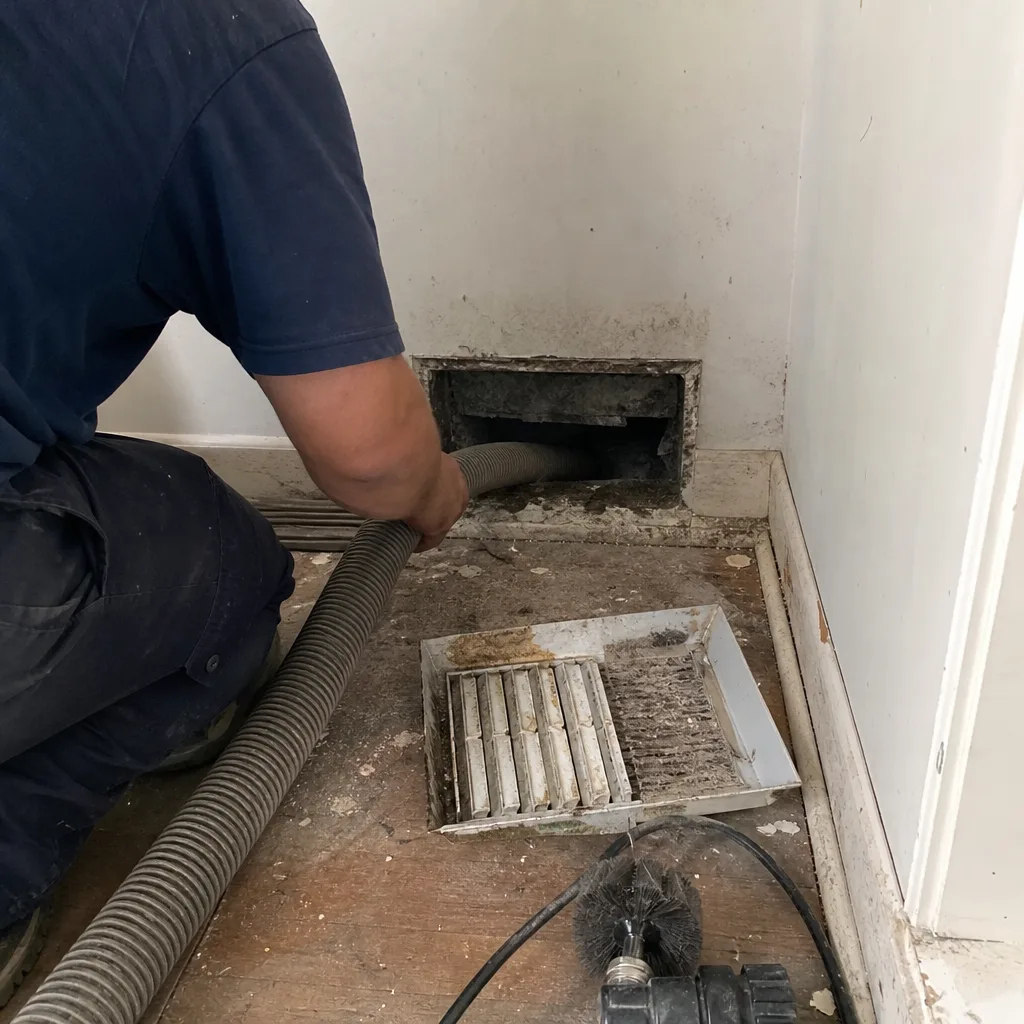 Before
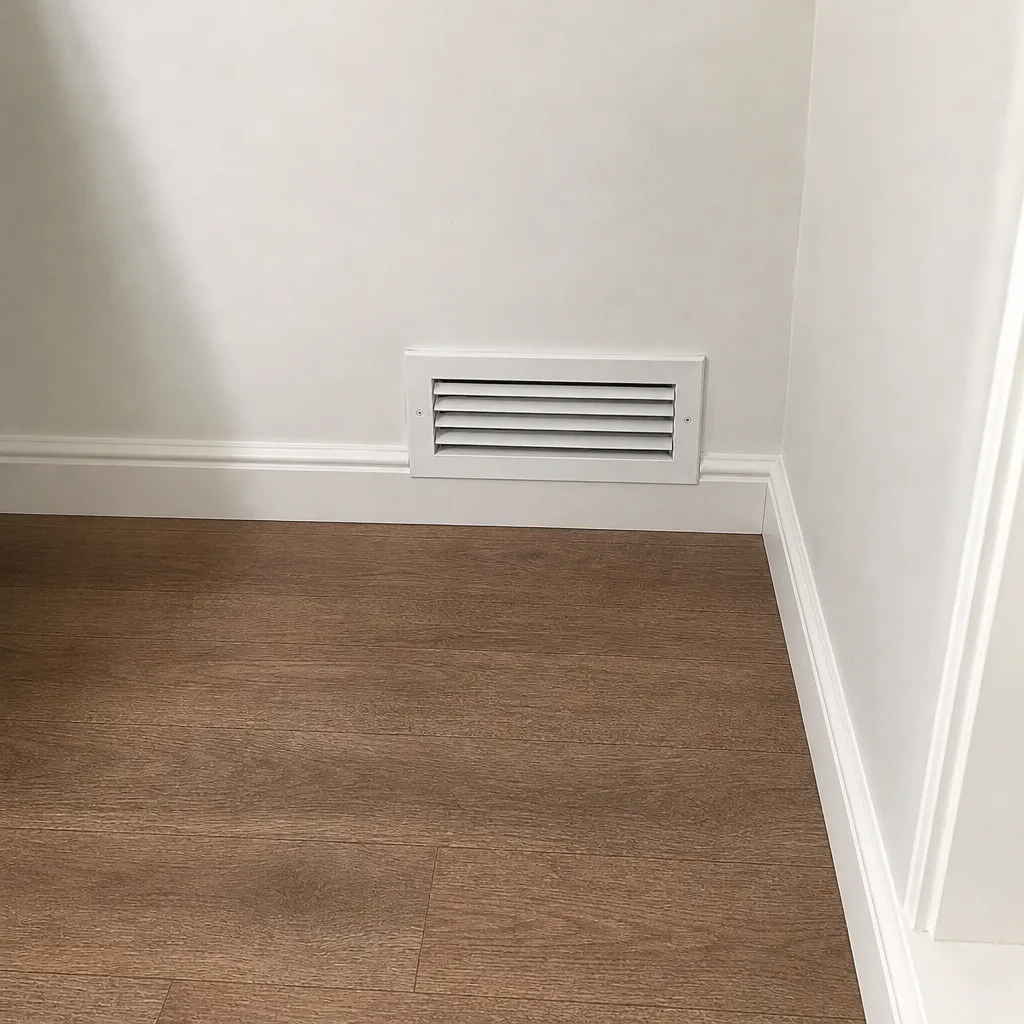 After
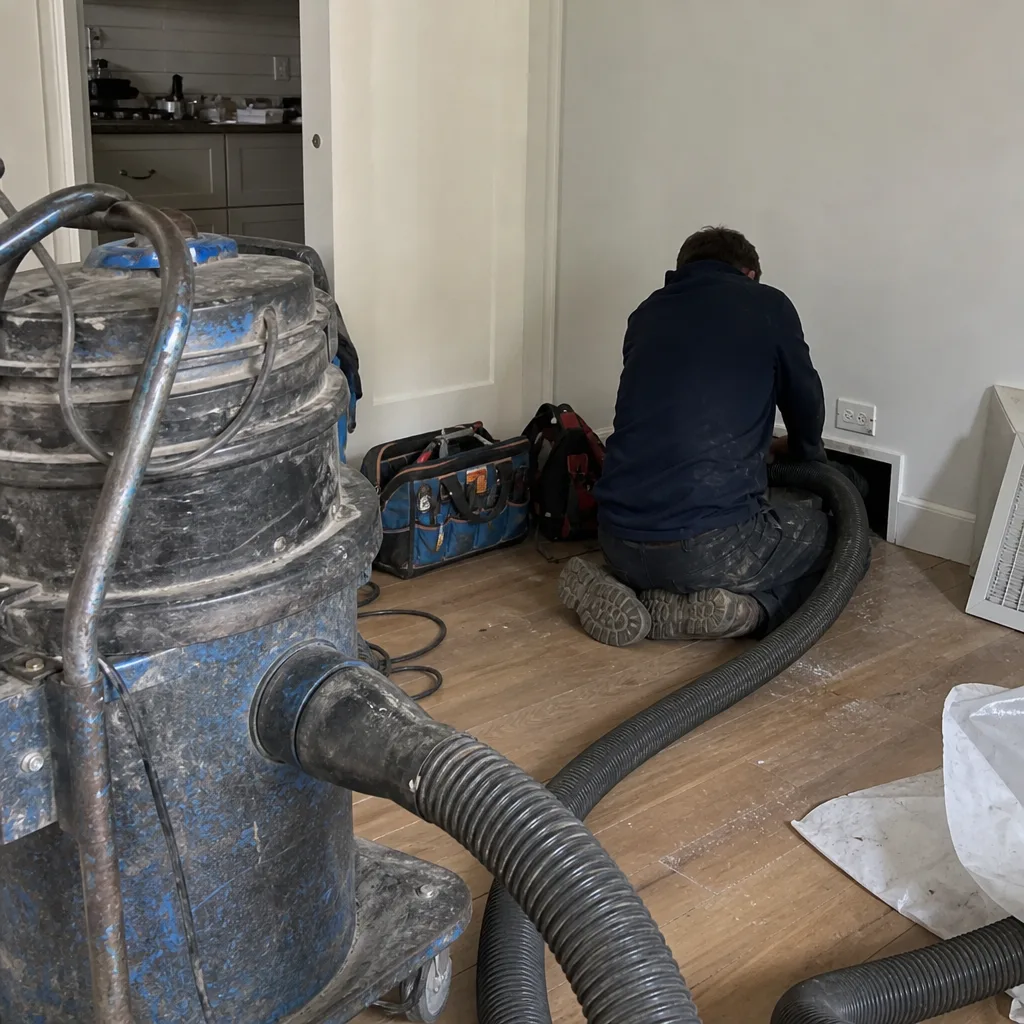 Before
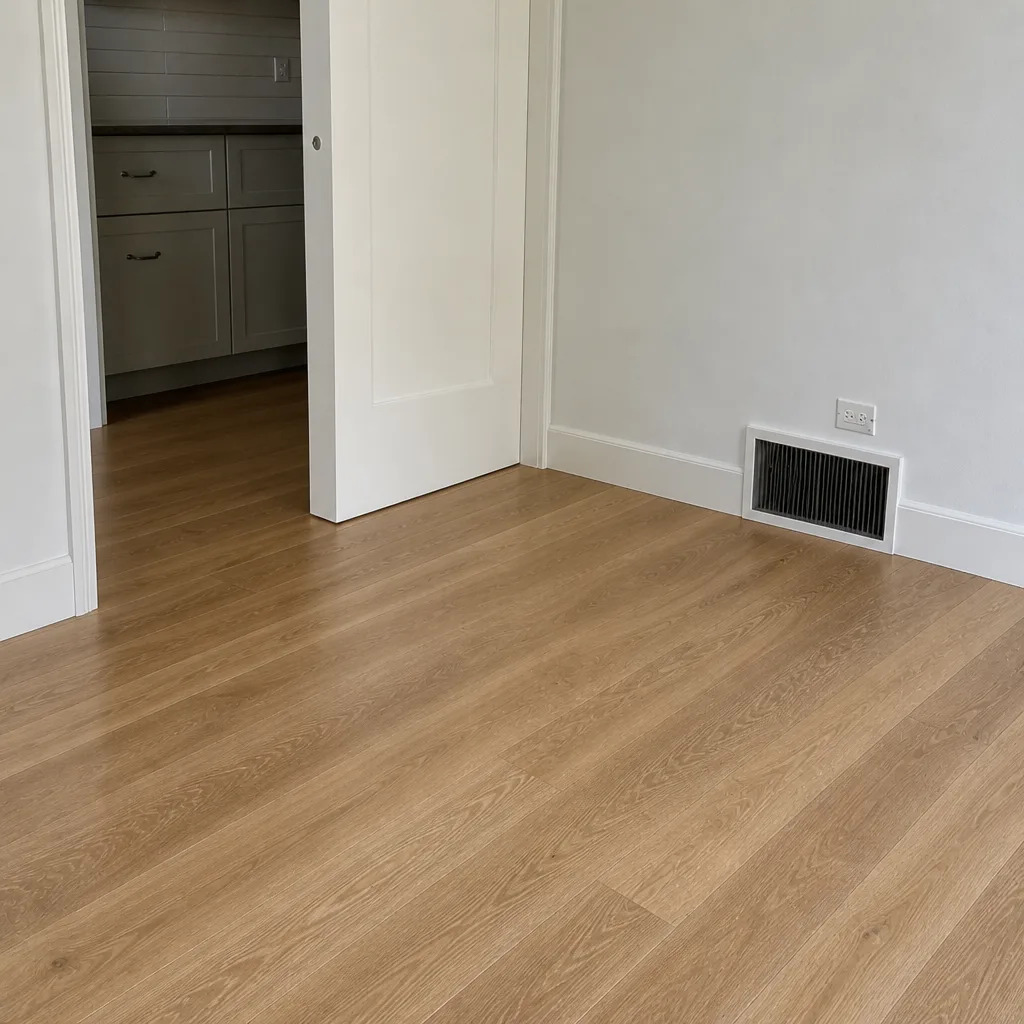 After
 Before
 After
When to Call a Professional
Some duct work you can schedule and forget. Some needs a phone call sooner. Call us if your HVAC system is short-cycling, if airflow to one part of the house has dropped noticeably, if you’re smelling a musty odor from specific registers, if a dryer takes more than one cycle to dry a load, or if a recent renovation kicked dust and debris into the return system. If a prior “repair” never came with paperwork, if you’re preparing to sell and you don’t know the permit history, or if you’re buying a Charleston property and want the mechanical records checked before closing, those are all good reasons for a trained look.
We’re set up to diagnose all three things we work on: air duct cleaning, dryer vent cleaning, and duct repair. That means a technician can identify a problem and confirm whether it crosses into alteration territory in a single visit, without a referral slip. Charleston Duct Cleaning offers free estimates in Charleston – call (888) 274-9947. We answer 24/7. Fast dispatch from 7am to 7pm, Sunday through Friday.
Frequently Asked Questions
No. Routine cleaning of existing ducts – brushing, HEPA vacuuming, sanitizing, and resealing joints in place – does not require a permit in Charleston or in Charleston County. A permit is required only when the work alters the duct system: replacing, cutting, rerouting, or adding duct. Call (888) 274-9947 for an exact quote on cleaning versus repair. Estimates are free.
Yes, in most cases. Replacing a duct run, cutting a new register opening, resizing a trunk, or installing new duct requires a mechanical permit from the authority having jurisdiction – the City of Charleston or Charleston County depending on the address – and a licensed mechanical contractor to pull it and perform the work. Small in-place sealing of an existing joint typically does not. When in doubt, call the permitting office for your address.
They’re separate permitting offices that review mechanical permits for separate jurisdictions. If your home is inside the city limits, the City of Charleston reviews the permit and inspection. If your home is in unincorporated Charleston County, Charleston County handles it. The two offices don’t always follow the same review process, so the correct office depends entirely on the property address – not the ZIP code.
Search the permit history for your property address through the online portal for your jurisdiction – City of Charleston for city addresses, Charleston County for county addresses. Look for mechanical permits tied to HVAC replacement or duct alteration, and check whether each was finaled or closed. An unclosed permit means the work was never inspected and typically has to be resolved before a future sale.
Low quotes are usually per-vent pricing built to escalate. The advertised number covers a small number of vents, and the invoice grows once the technician is on site. A shop vac and a coupon costs a fraction of a professional Rotobrush or Nikro HEPA rig, and the equipment shows up in the result. Look for one flat price per system agreed before work starts, and before-and-after photos of your own ducts. Call (888) 274-9947 for a straight answer on price for your system.
Ask for before-and-after photos of your specific ducts, a written scope of what was cleaned or repaired, and – if a repair was involved – the permit number and inspection result. Documentation is the entire record. Without it, a repair becomes impossible to verify later. Call (888) 274-9947 if you have prior duct work that’s missing paperwork and want a trained assessment.
The Bottom Line
Cleaning your ducts in Charleston doesn’t require a permit. Repairing, altering, or replacing them does. That distinction matters because the line isn’t obvious, and the consequences of crossing it fall back on the homeowner when a permit is missing. Confirm which Charleston jurisdiction handles your address – City of Charleston or Charleston County – before any mechanical work starts. Ask any duct service whether their work stays on the cleaning side or crosses into alteration. Keep the permit number, the finaled inspection, and before-and-after photos of your own ducts in your property file, because the next buyer will ask. Professional-grade cleaning from a company that can spot damage and repair it correctly is what protects the property long-term. Call (888) 274-9947 for a free estimate. We answer 24/7. Fast dispatch from 7am to 7pm, Sunday through Friday.
Written by the team at Charleston Duct Cleaning.