
Last updated November 15, 2026
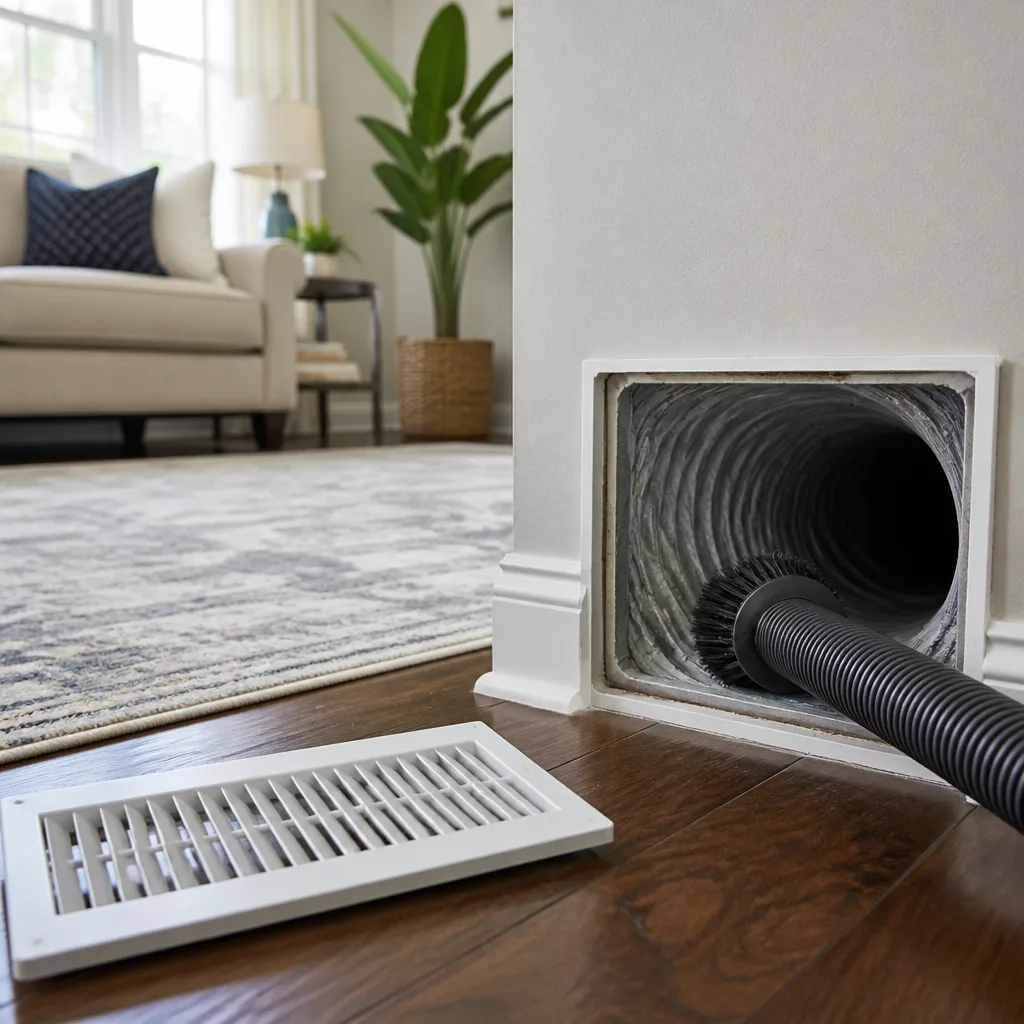 Whole-home duct cleaning
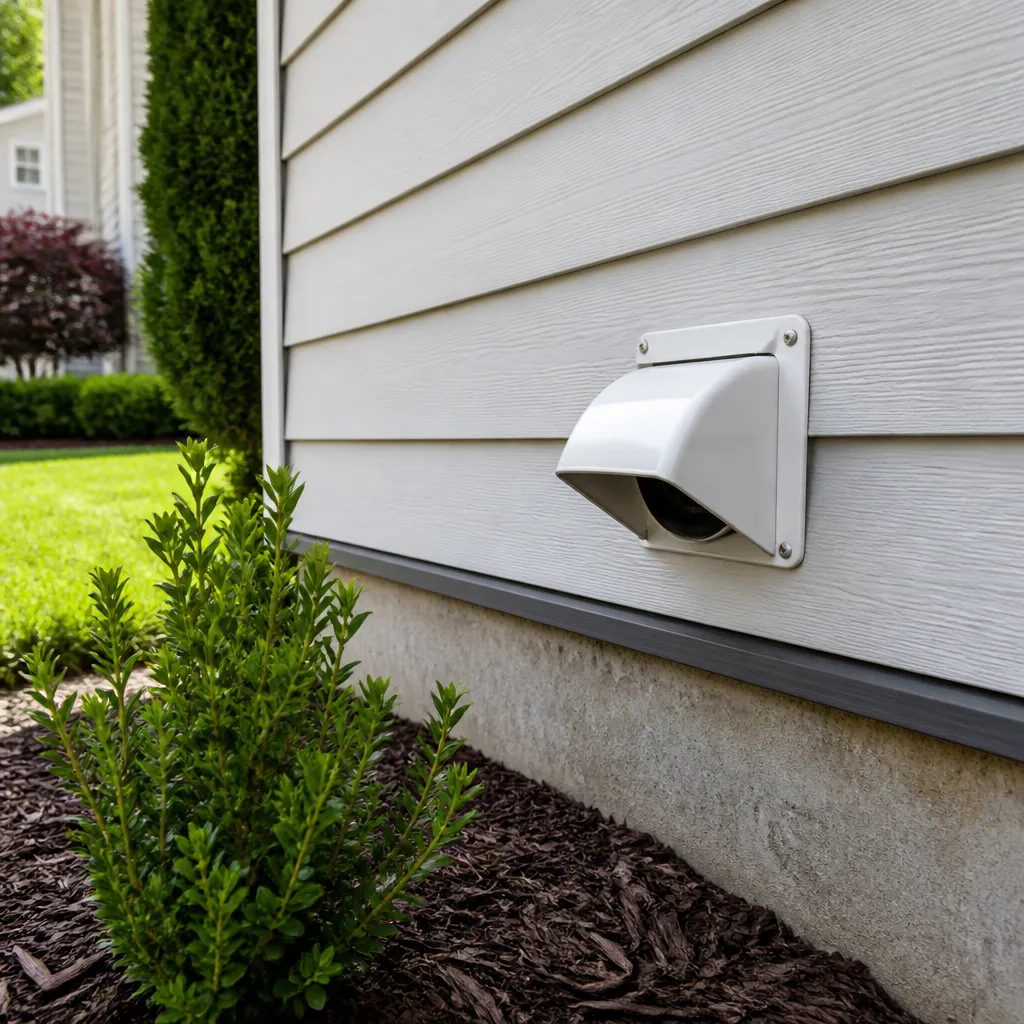 Dryer vent cleaning
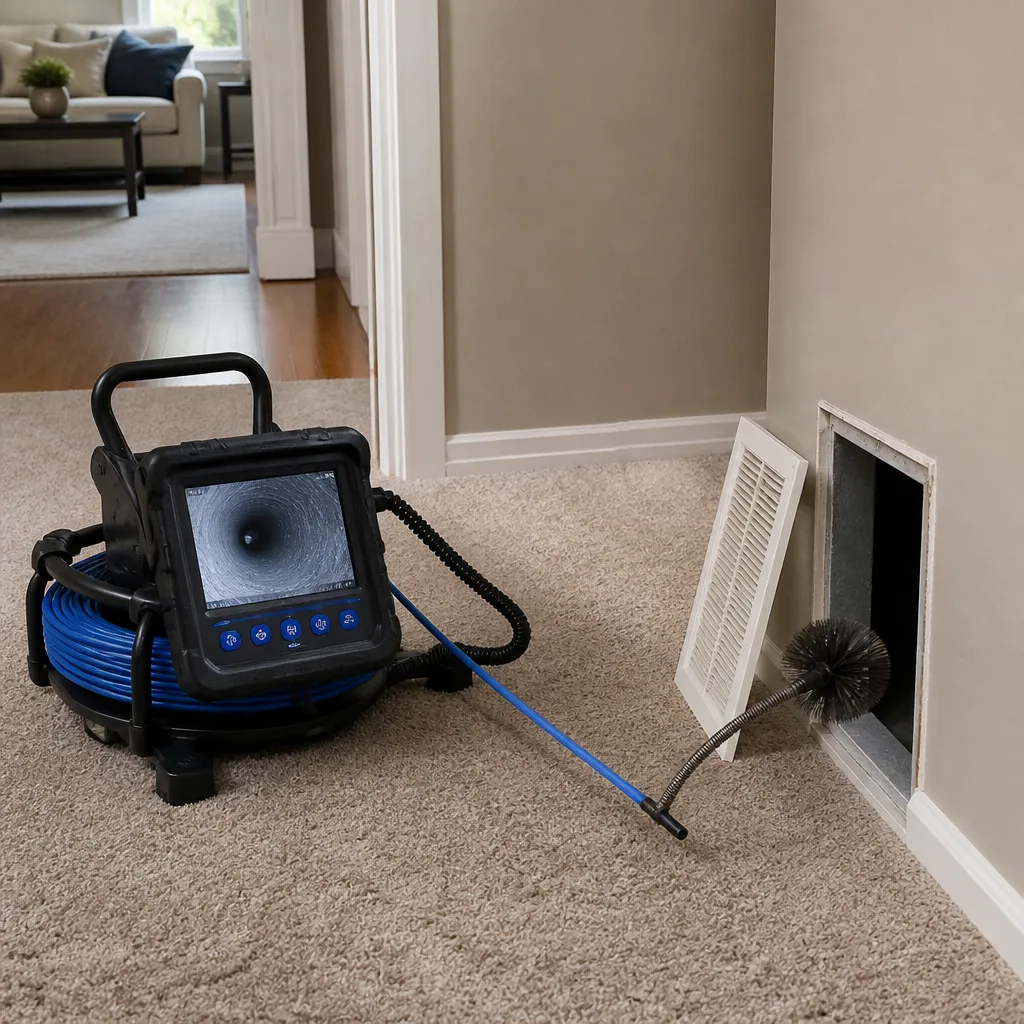 Camera inspection
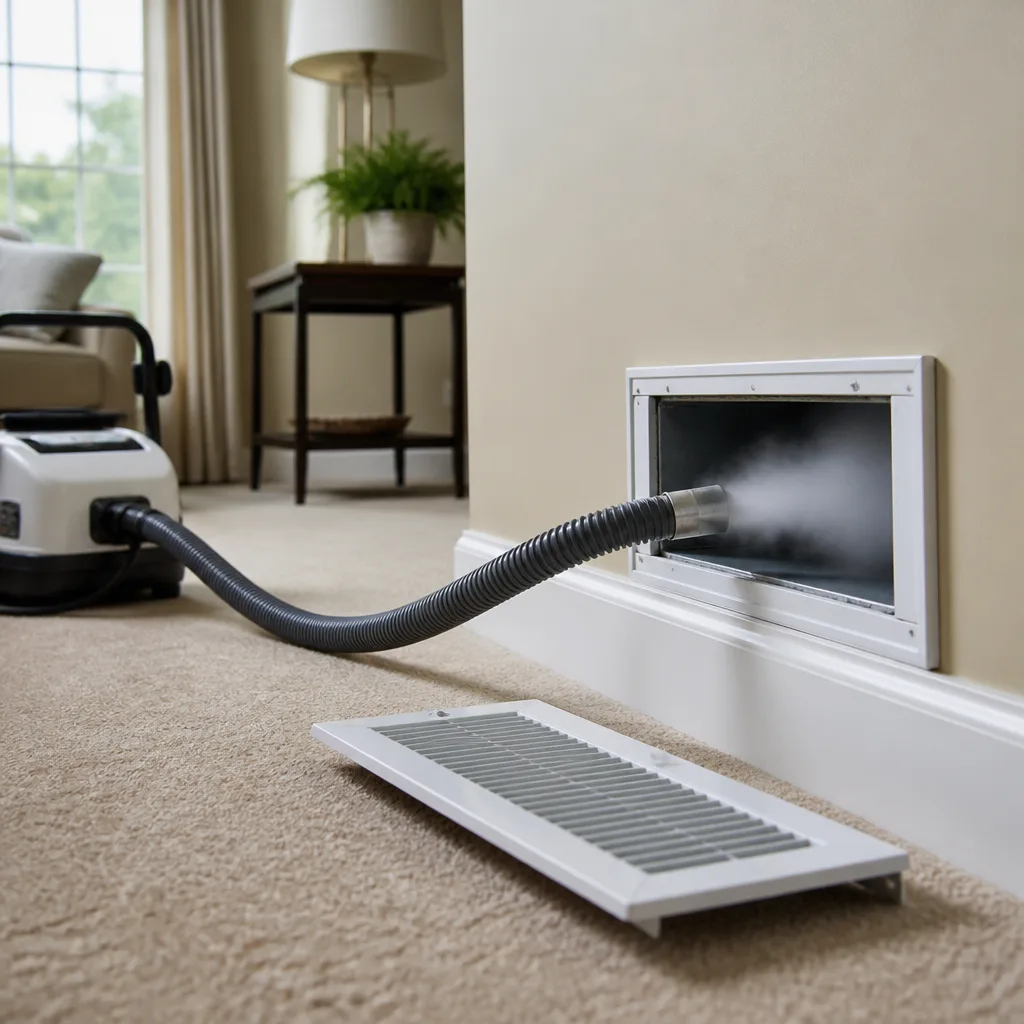 Sanitizing & deodorizing
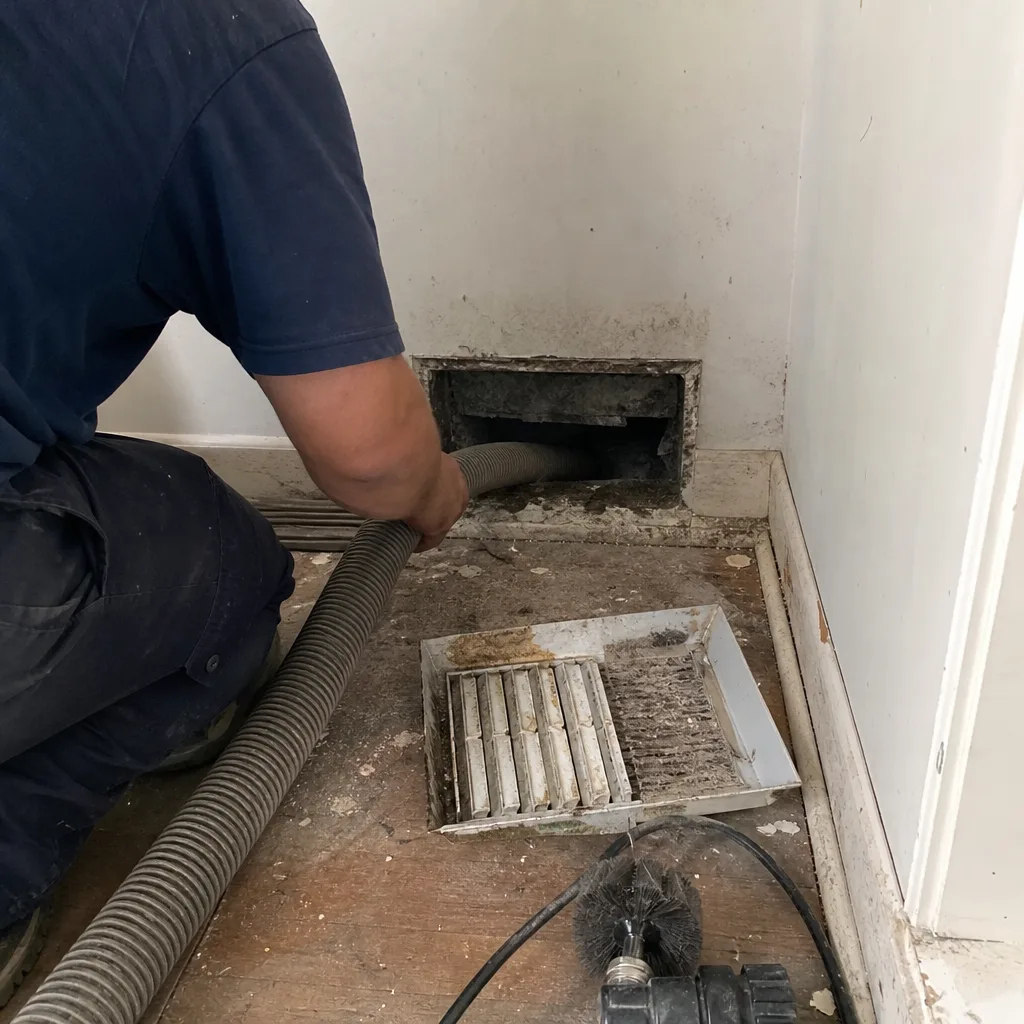
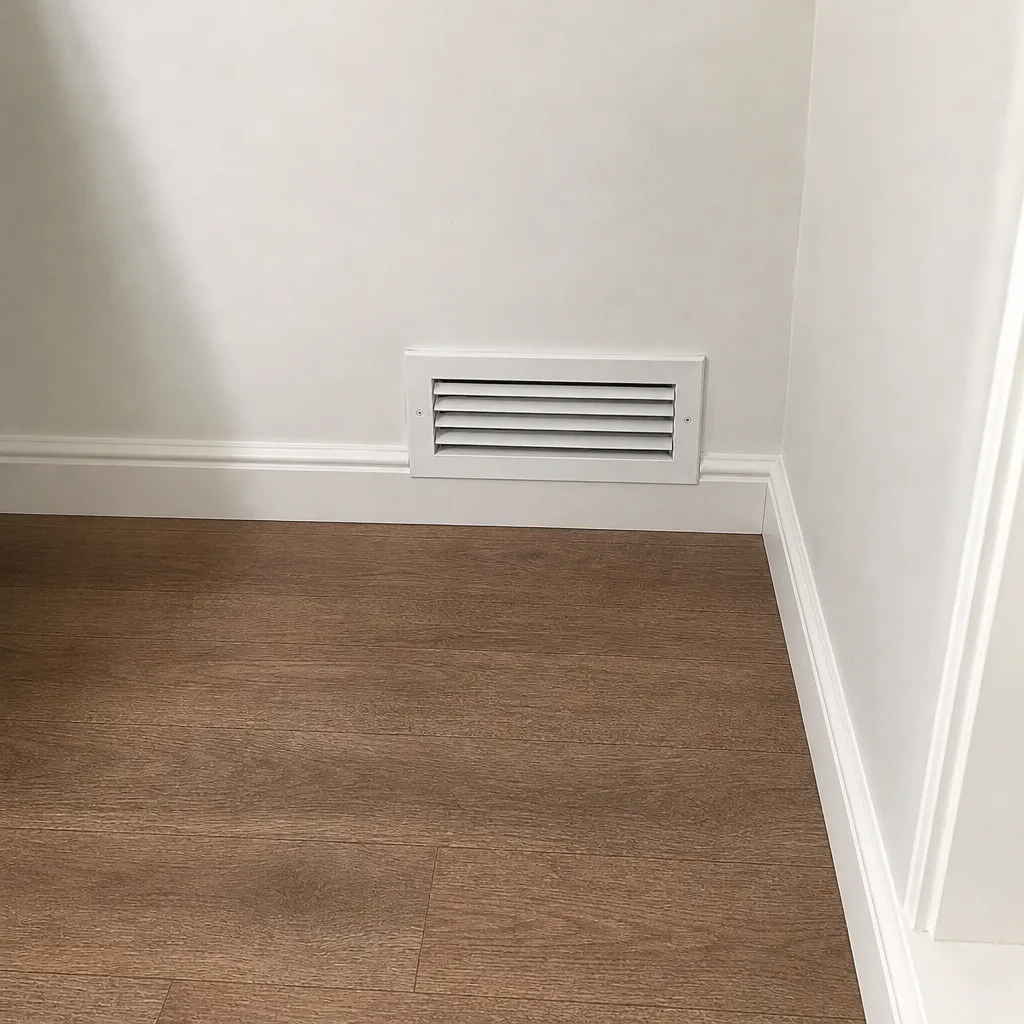
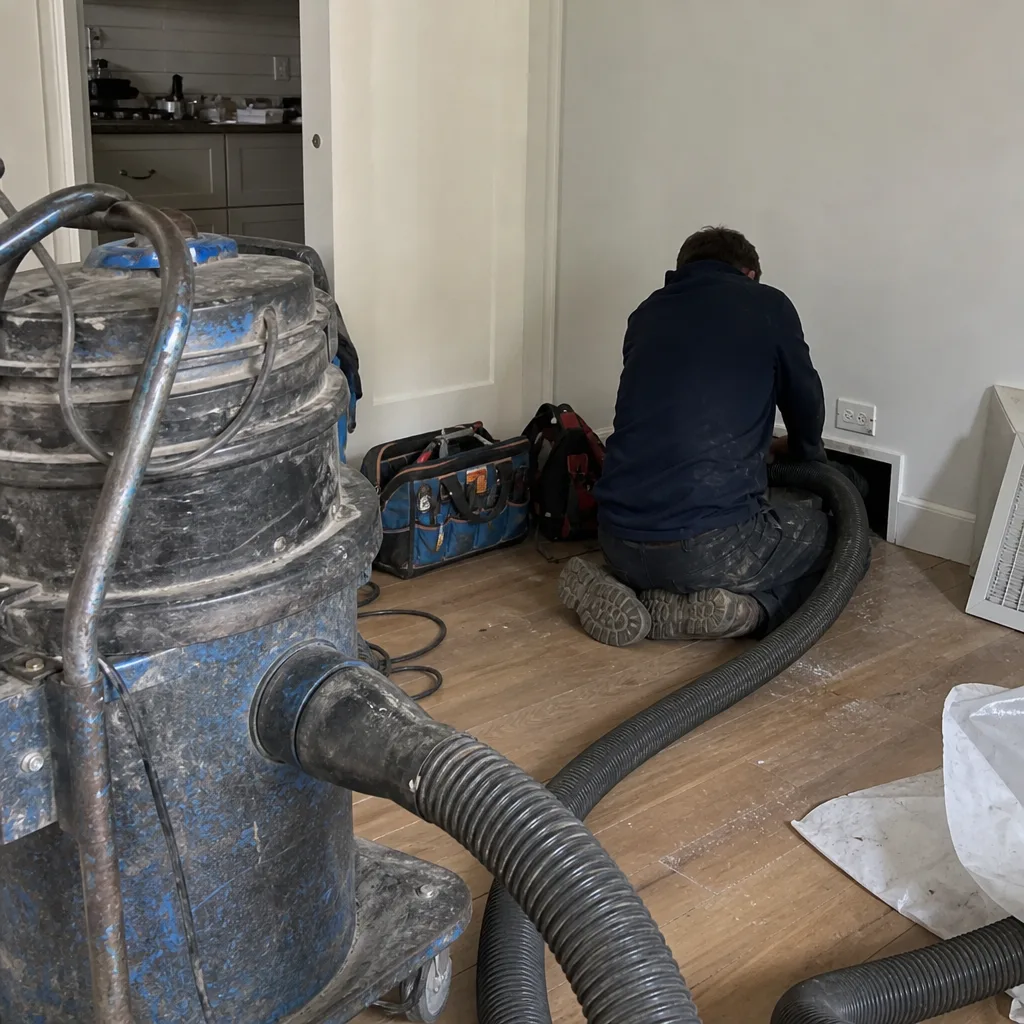
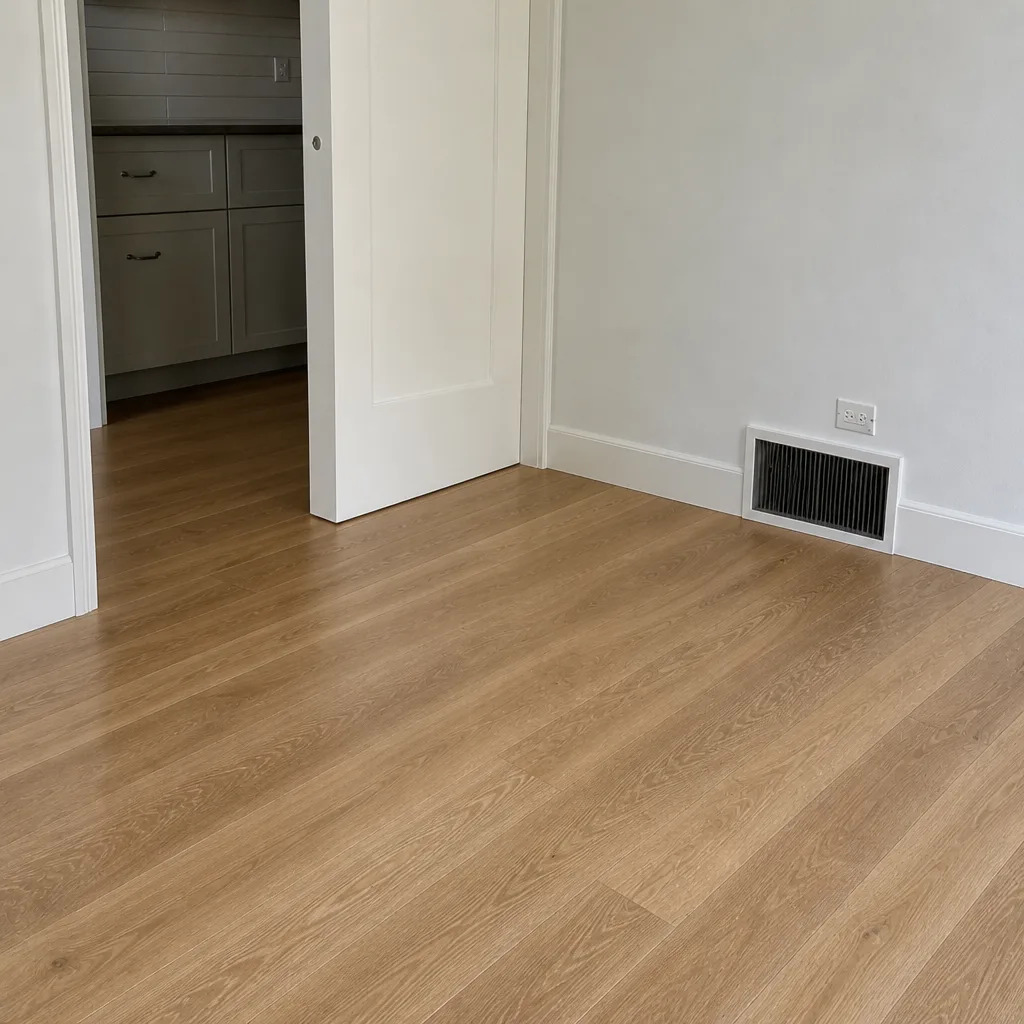
Whole-system duct and dryer vent check with before-and-after photos - you see exactly what came out of your vents
That "$99 whole-house special" is a bait ad - the real number appears once they are in your hallway, or the "clean" is a shop-vac at the register. We photograph the inside of your ducts before and after instead.
Air Duct Cleaning Maintenance Schedule: What to Do and When
The standard advice says clean your ducts every three to five years and forget about it. That interval assumes a steady climate, sealed ductwork, and a house that doesn’t sit on a humid crawl space. Charleston doesn’t offer any of those. Between oak pollen that coats every return grille in March, relative humidity that stays high across the long summer, and crawl space construction that lets damp air migrate into the duct system, contamination builds on more than one clock. A useful schedule here is calendar-driven, not generic. This guide lays out a Charleston maintenance calendar you can actually follow, how to tier it to your home, and what a real maintenance visit should include.
Quick Answer
Most Charleston homes need professional air duct cleaning every two to four years, not the three to five years a blanket guideline suggests, because high humidity and heavy spring pollen load the system faster. On top of that cleaning cycle, plan filter changes roughly every 60 to 90 days, a crawl space vapor barrier and insulation check once a year before summer, and a post-storm inspection any time a tropical system pushes moisture into the house. Tier your interval by foundation type, duct age, pets, and smoking.
Styles & brands we work with
- Whole-home duct cleaning
- Dryer vent cleaning
- Camera inspection
- Sanitizing & deodorizing
Table of Contents
- Why the Standard Three-to-Five-Year Rule Doesn’t Fit Charleston
- The Charleston Duct Maintenance Calendar, Month by Month
- How to Tier Your Schedule to Your Home’s Risk Factors
- Filter Intervals and the MERV Trap
- The Post-Storm Inspection Checklist
- What a Maintenance Visit Should Actually Include
- Signs You’ve Waited Too Long
- Common Mistakes to Avoid
Why the Standard Three-to-Five-Year Rule Doesn’t Fit Charleston
Generic guidance treats a duct system like a static object with a fixed cleaning clock. It isn’t. What loads a duct system is the air moving through it and the moisture hanging in that air, and Charleston supplies both in unusual amounts. Relative humidity sits high for much of the year, which means the inside of a duct run can hold enough moisture to support biological growth, especially where the system passes through unconditioned space. That’s a different problem than simple dust accumulation, and it doesn’t wait its turn on a five-year timer.
The second clock is seasonal debris. Spring brings a heavy pollen load that pulls into return grilles and settles on coil and duct surfaces. Summer pushes the air handler hard, which moves more air and more particulate. Then there’s construction and renovation dust, which doesn’t follow a season at all but does follow a predictable pattern: a kitchen or bath remodel pushes fine drywall dust into the return system, and that dust travels everywhere.
We’ve seen the practical result of ignoring both clocks. A system that looked fine on a visual check at year two can carry a noticeable musty smell in the ducts by year three because the crawl space held moisture through a wet stretch. The point isn’t to clean constantly. It’s to inspect on a schedule that matches the local contamination windows, then clean when the inspection says to. That’s how a professional-grade process works: find the problem, then decide the scope.
The Charleston Duct Maintenance Calendar, Month by Month
Here’s a working calendar. Adjust the professional cleaning slot based on your risk tier, covered further down.
- January: Change the filter. Walk the house and note any rooms that feel stuffy or run hot and cold compared to the rest. Confirm the return grilles are clear of furniture and rugs.
- February: Schedule your professional clean before the pollen season starts. Booking late winter or early spring means the ducts are clean when the pollen load arrives rather than being cleaned after it coats everything.
- March: Oak pollen peak. Change the filter, then check the return grille every few weeks. If the grille and the filter both gray over quickly, that’s the pollen working through the system, not a filter defect.
- April: Last filter change of the pollen push. Check crawl space vapor barriers and insulation for sagging, tears, or signs the ground stays wet. Spring is when a compromised barrier shows itself.
- May through June: Before high summer humidity settles in, confirm the duct runs in unconditioned space are sealed and the crawl space vents and barrier are doing their job. This is the biggest single lever on indoor moisture.
- July through August: Change the filter mid-season if you have pets or a smoker in the house. Watch for musty airflow; humidity inside a crawl space is at its worst now, and that’s the season a poorly sealed duct system shows contamination first.
- September: Change the filter as the cooling season winds down. Run a visual check on the outdoor condenser and confirm nothing is nesting or blocked around the unit.
- October through November: Any renovation or post-storm work happens here for most homes. If you remodel, plan a duct inspection afterward. If a tropical system passed through, use the storm checklist below.
- December: Close the year with a filter change, a walkthrough inspection, and a quick drain pan and condensate line check.
For the professional cleaning cycle, the season matters less than matching it to your trigger. If pollen is your issue, clean before March. If humidity or a crawl space smell is your issue, clean in spring before summer sets in. Either way, the calendar gives you a reason to look at the system instead of guessing.
How to Tier Your Schedule to Your Home’s Risk Factors
Two homes on the same street can need different intervals. Here’s how to set your tier:
- Crawl space foundation: Treat this as the higher-risk tier. A duct system that runs through a crawl space is exposed to ground moisture that a slab home never sees. It rewards a shorter cleaning interval and a once-a-year check of the vapor barrier and duct insulation.
- Slab foundation: Duct runs sit in or under the slab, so the crawl space moisture problem is off the table, but a slab system can still collect dust and drain condensate poorly. Keep the standard interval.
- Duct age: A system older than roughly 10 to 15 years is more likely to have loose joints, sagging flex duct, or disintegrated lining. Older ducts get inspected more often, and if we find damage we can fix it rather than refer it out, because repair is a core service here.
- Pets: A home with pets should change filters on the shorter end of the range, every 60 days rather than 90.
- Smoking indoors: Smoking inside the home puts tar and fine particulate into the return system. This is the tier that most needs a professional extraction cycle, not just filter changes.
- Recent renovation: Every remodel should trigger an inspection afterward, not a calendar date. Drywall dust and construction debris move through the return system in ways that simple filter changes won’t cure.
We’ve seen the tier matter more than the interval. A pet-free slab home may run four years between cleanings without trouble. A crawl space home with two dogs and an open-plan remodel a year ago wants a clean and an inspection much sooner. The point of tiering is to stop applying a generic schedule to a specific house.
Filter Intervals and the MERV Trap
Filter intervals get all the attention, but the MERV rating can do more damage than the interval. A homeowner who runs out and buys a MERV-13 filter to “catch more” often ends up with a worse outcome than the neighbor running a MERV-8.
The problem is the leaky return system. A high-MERV filter puts more resistance on the return, and when the return is leaky, that extra resistance pulls unfiltered air in through the leaks instead of through the filter. You pay for a tighter filter and get dirtier ducts. A MERV-8 in a sealed system catches what matters and lets the system breathe, and the bugs are in the sealing, not the filter. That’s the honest trade. If the return system has leaks, seal the system before upgrading the filter.
On the interval side, the working rules:
- Standard no-pet home: change the filter every 90 days, and mid-season in peak pollen if it grays quickly.
- Pets or indoor smokers: change every 60 days, with a mid-summer check because the cooling season runs long here.
- After a renovation or storm: check the filter immediately. Don’t wait for the calendar.
If you’re thinking about a filtration upgrade, an actual media cabinet and intakes are worth discussing over a slide-in filter. We work with Aprilaire and Honeywell filtration lines and can tell you which of those systems fits your air handler and your duct layout, not just which one has the highest MERV number on the box.
The Post-Storm Inspection Checklist
Moisture intrusion into duct systems after a tropical system or hurricane is underreported. A home can have a visible dry interior and still have water sitting inside an insulated duct run or a crawl space, and that water doesn’t announce itself until the smell shows up weeks later. Do the following after any substantial storm:
- Walk the crawl space. Look for standing water, damp insulation, and displaced vapor barrier. If the barrier has moved off the ground, water is pooling underneath.
- Check the duct insulation. In the crawl space, look for sagging or soaked insulation on the duct runs. Wet insulation around a duct is a moisture problem even if the sheet metal looks fine.
- Smell the returns. Run the system for a short time after you’ve confirmed no standing water. A musty smell coming out of the ducts is the first sign that moisture got inside the system.
- Change the filter. A storm-drive filter change costs little and catches the debris that got pulled in.
- Look at the air handler. Confirm the pan is dry and the condensate line is clear. Water in the pan after a storm, on top of moisture elsewhere, tells you the system took on more than normal.
If two or more of these show a problem, schedule an inspection. A one-time visual check won’t tell you whether the inside of the ducts is compromised. That’s when a professional extraction cycle and a repair pass are worth doing, and it’s the kind of call we handle often after a storm because moisture problems compound if you let them.
What a Maintenance Visit Should Actually Include
Plenty of companies book a “maintenance visit” and then send a technician out to look at the grilles and hand you a quote. A real maintenance visit is a substantive process, and you should know what to expect before you book.
- An inspection pass first. A maintenance visit starts with an actual look at the system: return and supply grilles, duct joints, insulation in the attic or crawl space, the air handler, the filter slot, and any flexible duct sections that may be collapsing or disconnected.
- Contact cleaning with rotating brushes and simultaneous HEPA extraction. That’s the process. Rotobrush contact cleaning works the duct surfaces while a HEPA rig pulls the dislodged material out at the same time. One pass moves it, the other captures it.
- Containment and air scrubbing. An Abatement Technologies air scrubber runs during service so airborne particulate is captured rather than recirculated through the house.
- A repair pass when needed. If the inspection turns up loose joints, torn flex duct, or a damaged section, we repair what we find rather than handing you a referral slip and a new appointment.
- A before-and-after record. You should be able to see the inside of your own ducts, not just hear that they’re clean.
What a maintenance visit is not: a per-vent quote that grows once the technician is on site. We set a flat price per system, agreed before work starts, so the number you’re quoted is the number you pay. A “maintenance plan” that’s really just a discounted cleaning coupon isn’t a maintenance visit. A maintenance visit is a diagnostic and cleaning appointment that leaves the system cleaner and tells you what needs attention.
For a related service under the same roof, dryer vent cleaning is worth folding into the annual check, because the same lint and moisture logic applies to that vent run.
Signs You’ve Waited Too Long
You don’t need to wait for the calendar to tell you the system is overdue. The duct system tells you first:
- Airflow from the registers feels weak or uneven room to room.
- A stale or musty smell comes on when the system kicks in.
- Visible dust collects on surfaces within a day or two of cleaning.
- The filter grays over in a fraction of the usual interval.
- Rooms that were comfortable run hot and cold.
- Any recent renovation pushed drywall dust into the return system.
If you’re seeing two or more of these, skip the interval and book an inspection. Waiting another season means the problem sets rather than resolves. A duct that’s contaminated at year two is easy to clean; the same duct at year four sometimes has a moisture problem that’s worth catching early.
Common Mistakes to Avoid
- Treating the three-to-five-year rule as gospel. It was not calculated for Charleston’s humidity or pollen load. Use it as a starting point and tier up for your foundation, duct age, and household.
- Upgrading to a MERV-13 filter on a leaky return. It doesn’t help and often hurts. Seal the return before you buy a tighter filter, then size the filter to a sealed system.
- Skipping the crawl space check. The vapor barrier and duct insulation are the biggest single lever on indoor moisture here, and it’s the step most homeowners skip.
- Booking a “maintenance plan” that’s really a coupon. The coupon is the bait. Ask what’s in the visit before you book it, and what the price is agreed before work starts.
- Cleaning without inspection. A company that runs a cleaning pass without a real inspection misses the repair that matters. The clean is the wrong place to find a torn duct.
- Ignoring a post-storm moisture signal. A musty smell after a storm is a symptom, not a quirk. Moisture inside a duct system is underreported and it doesn’t go away on its own.
- Cleaning but not sealing. Cleaning a system with a known leak pulls more dirt back in every time the system runs. Fix the leaks first, then clean.
If you’ve already been through one of these, don’t worry about the misstep. The schedule catches up. The important part is getting the system inspected and cleaned on a rhythm that fits your house.
See the difference
 Before
 After
 Before
 After
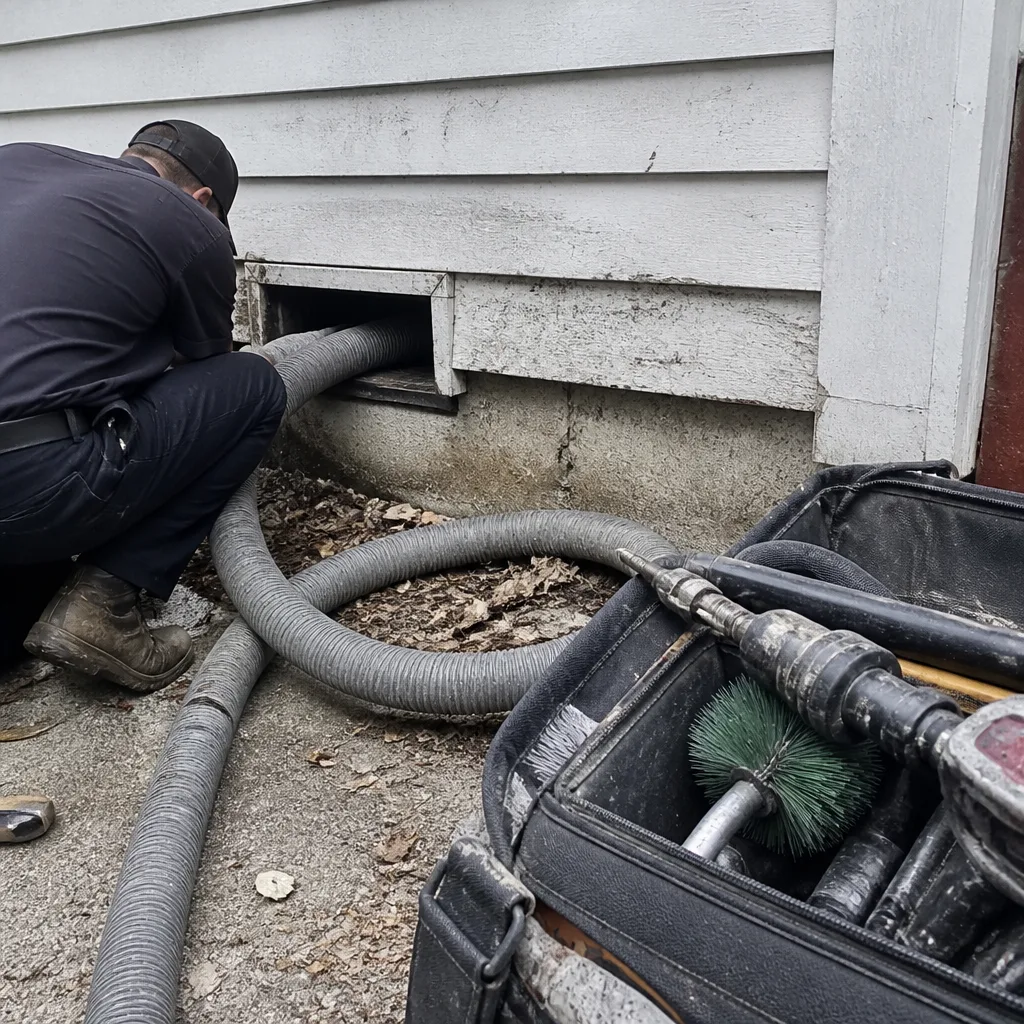 Before
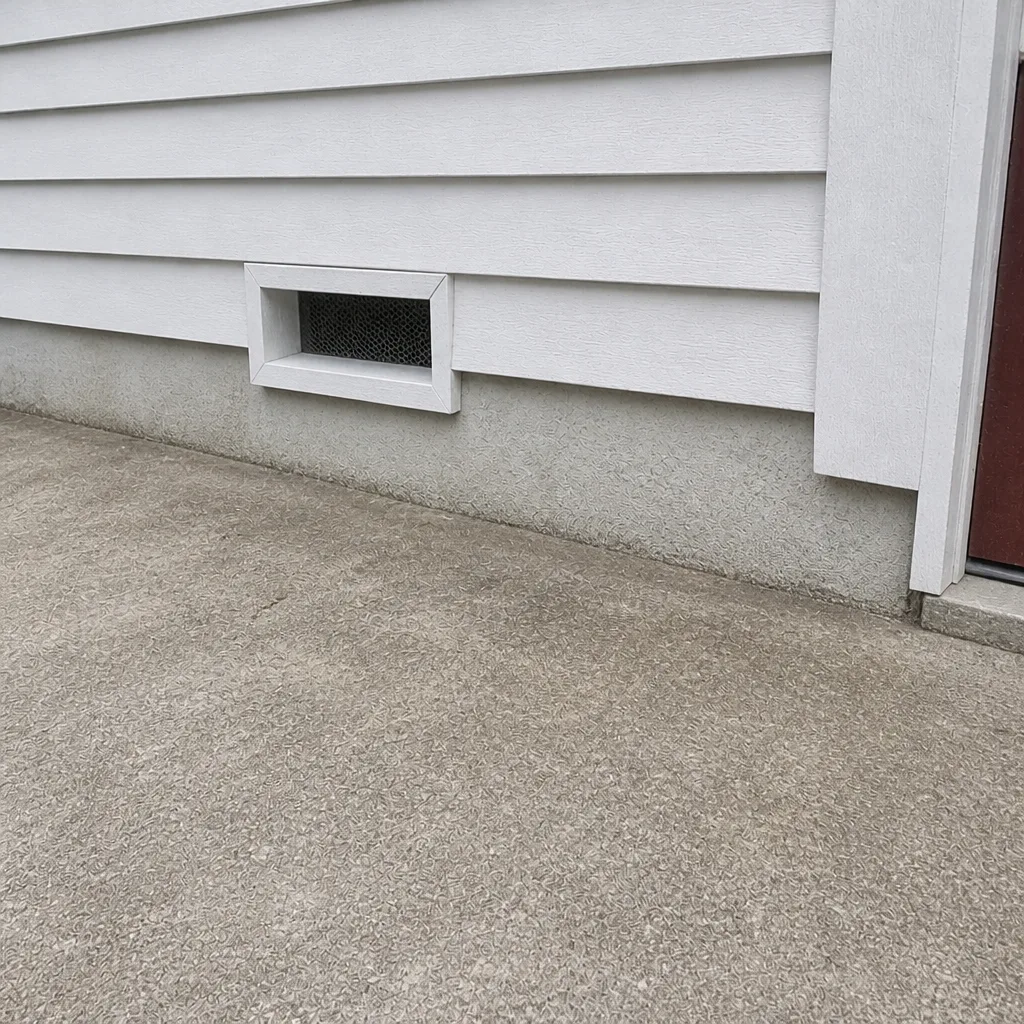 After
When to Call a Professional
Call a professional air duct cleaning service when you see a cluster of symptoms, not a single one. Musty airflow that won’t go away after a filter change, a post-storm moisture signal, a duct system older than 10 to 15 years that’s never been inspected, or a renovation that you suspect pushed debris into the return all point to a professional visit. The same goes for a crawl space home where the vapor barrier is compromised. You don’t need to be certain, and you don’t need a coupon. Air duct cleaning is what you’d book to put the system back on track, and an inspection comes with it.
Charleston Duct Cleaning offers free estimates in Charleston – call (888) 274-9947. We answer 24/7. Fast dispatch from 7am to 7pm, Sunday through Friday. Our technicians have up to 15 years of experience, and we work with professional-grade extraction and containment equipment, not a shop vac and a coupon.
Frequently Asked Questions
Most Charleston homes should plan on professional duct cleaning every two to four years rather than the generic three-to-five-year figure, because high humidity and heavy spring pollen load the system faster. If you have pets, run a crawl space foundation, or have had a recent renovation, aim for the shorter end. If you’re unsure, the right move is an inspection first, then a cleaning interval set to what it finds. Call (888) 274-9947 for a free estimate – estimates are free.
Pricing here depends on system size, duct layout, foundation type, and whether repair is needed, so we set a flat price per system based on a written estimate, agreed before any work starts. We don’t quote a per-vent price and we don’t advertise a teaser coupon that changes once the technician is on site. Call (888) 274-9947 for an exact quote – estimates are free.
The cheap quote usually reflects a shop vac and a coupon rather than professional-grade extraction, containment, and repair capability. A low advertised price tends to expand on site, because the work behind it was never priced into the coupon. A written estimate that’s agreed before work starts is the number that holds. Call (888) 274-9947 to get one – estimates are free.
You should see before-and-after images of your own ducts, not stock photos. That’s part of how we work, along with containment and air scrubbing during the cleaning so the debris gets captured rather than recirculated. If the visit is a real maintenance appointment, there’s a record of what it found and what was done. Call (888) 274-9947 to book a free estimate.
Not necessarily. On a leaky return system, a MERV-13 can be worse than a MERV-8 because the extra resistance pulls unfiltered air through the leaks instead of through the filter. Seal the return system first, then choose the filter. We work with Honeywell and Aprilaire filtration lines and can tell you which fits your system. Call (888) 274-9947 to discuss a free estimate.
Walk the crawl space for standing water and displaced vapor barrier, check duct insulation for soaked or sagging sections, run the system briefly and smell the returns, change the filter, and check the air handler pan and condensate line. If two or more turn up a problem, book an inspection. Moisture inside a duct system is underreported and doesn’t clear on its own. Call (888) 274-9947 for a free estimate.
Realistically, that depends on what’s happening in your house. A pet-free slab home with sealed ducts can go three to four years between cleanings. A crawl space home with pets and a recent remodel may need a visit every two years, plus an annual vapor barrier check. The schedule follows the trigger, not the calendar alone. Call (888) 274-9947 for a free estimate.
The Bottom Line
The three-to-five-year rule is a starting point, not a plan. In Charleston, a maintenance schedule should be tied to your foundation and duct age, filter changes every 60 to 90 days, an annual crawl space vapor barrier check before summer, a professional extraction cycle timed to your trigger rather than a generic clock, and a post-storm inspection after any tropical system. Seal before you upgrade a filter; inspect before you clean; and insist on a real maintenance visit with containment, before-and-after images, and a flat price per system agreed up front. That’s the schedule that fits a house here.
If you’d rather have the schedule set for you, we’re a specialist trade with three services under one roof, and we’ll inspect, clean, and repair what the inspection finds. Call (888) 274-9947 for a free estimate. We answer 24/7. Fast dispatch from 7am to 7pm, Sunday through Friday.
Written by the team at Charleston Duct Cleaning.