
Last updated November 15, 2026
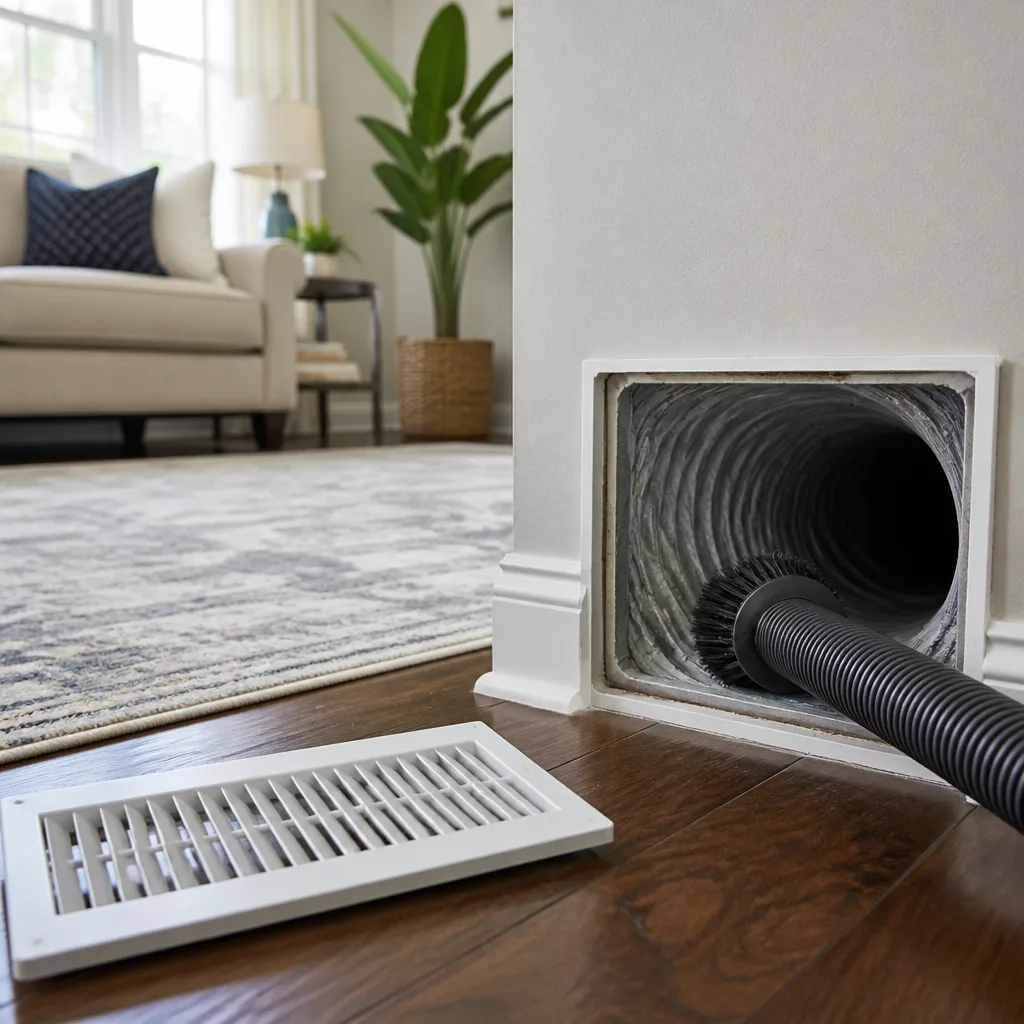 Whole-home duct cleaning
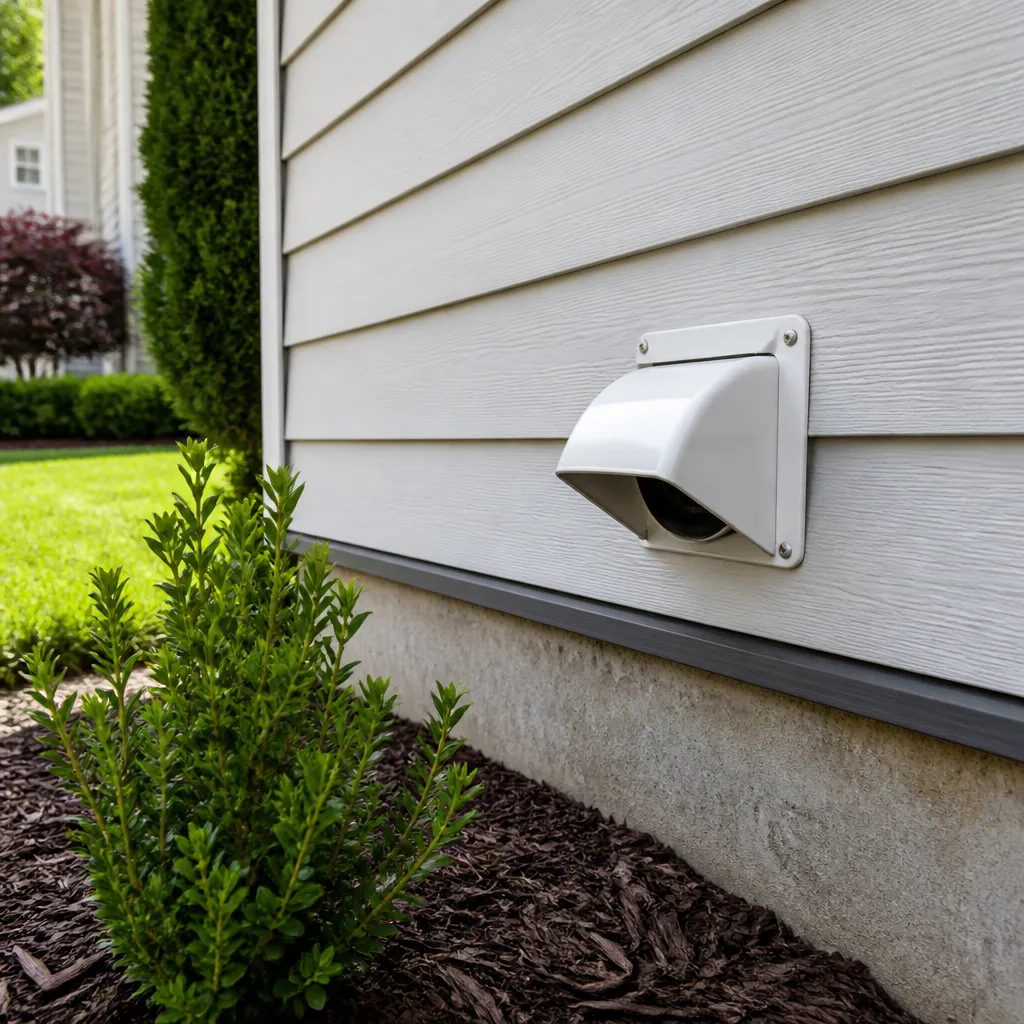 Dryer vent cleaning
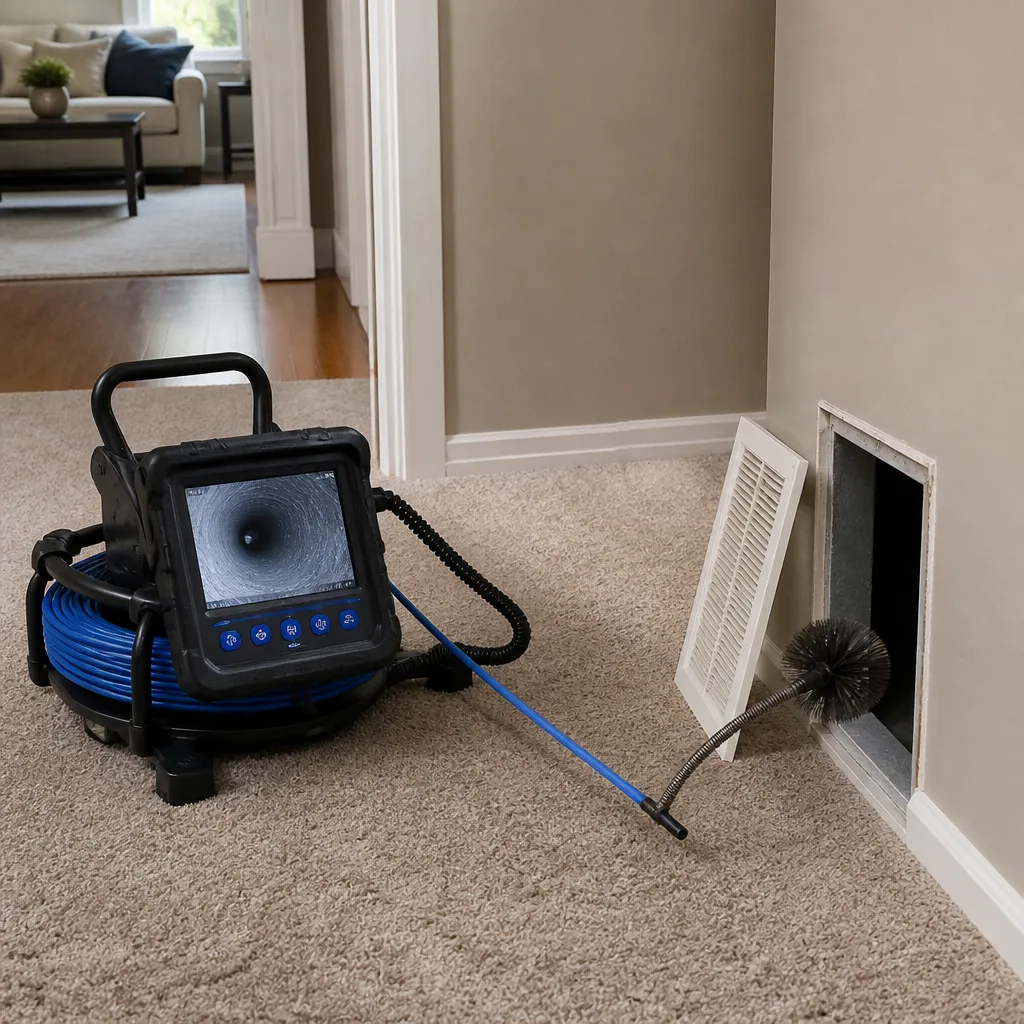 Camera inspection
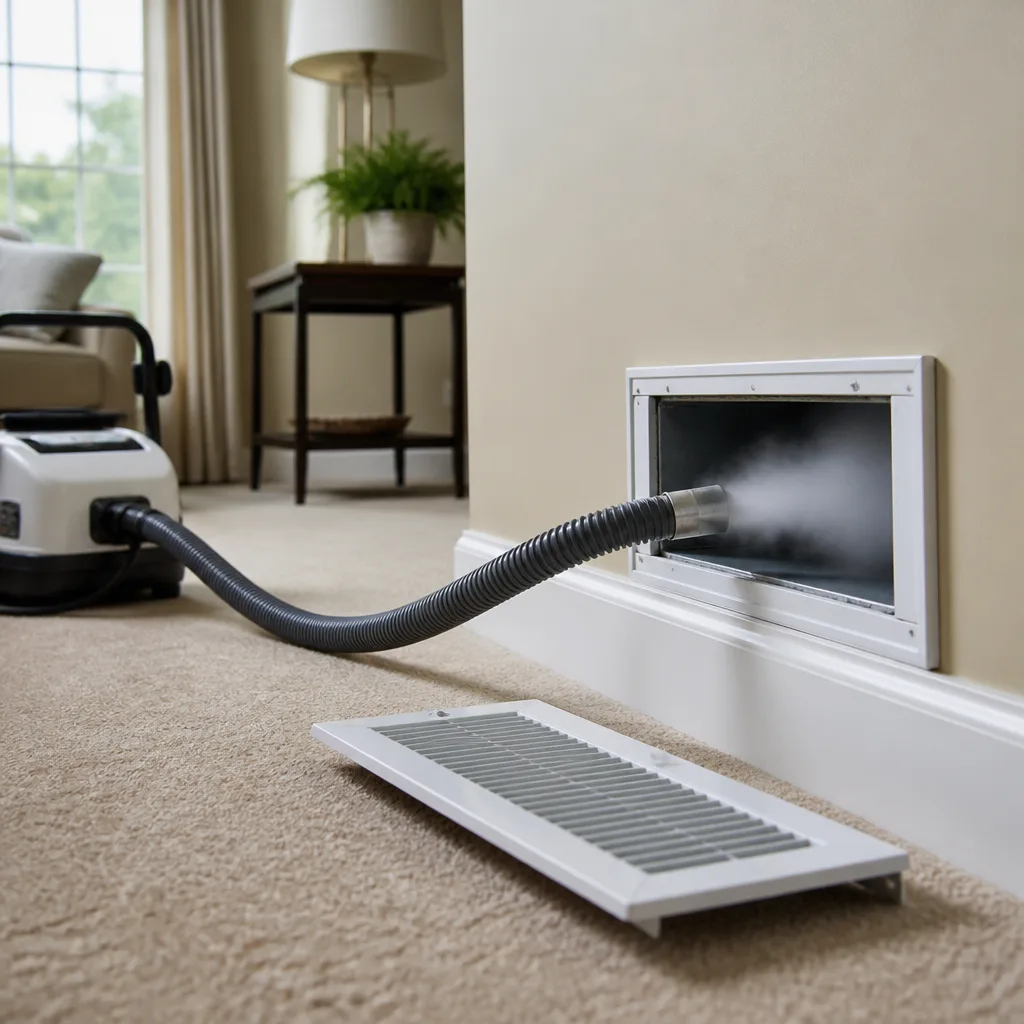 Sanitizing & deodorizing
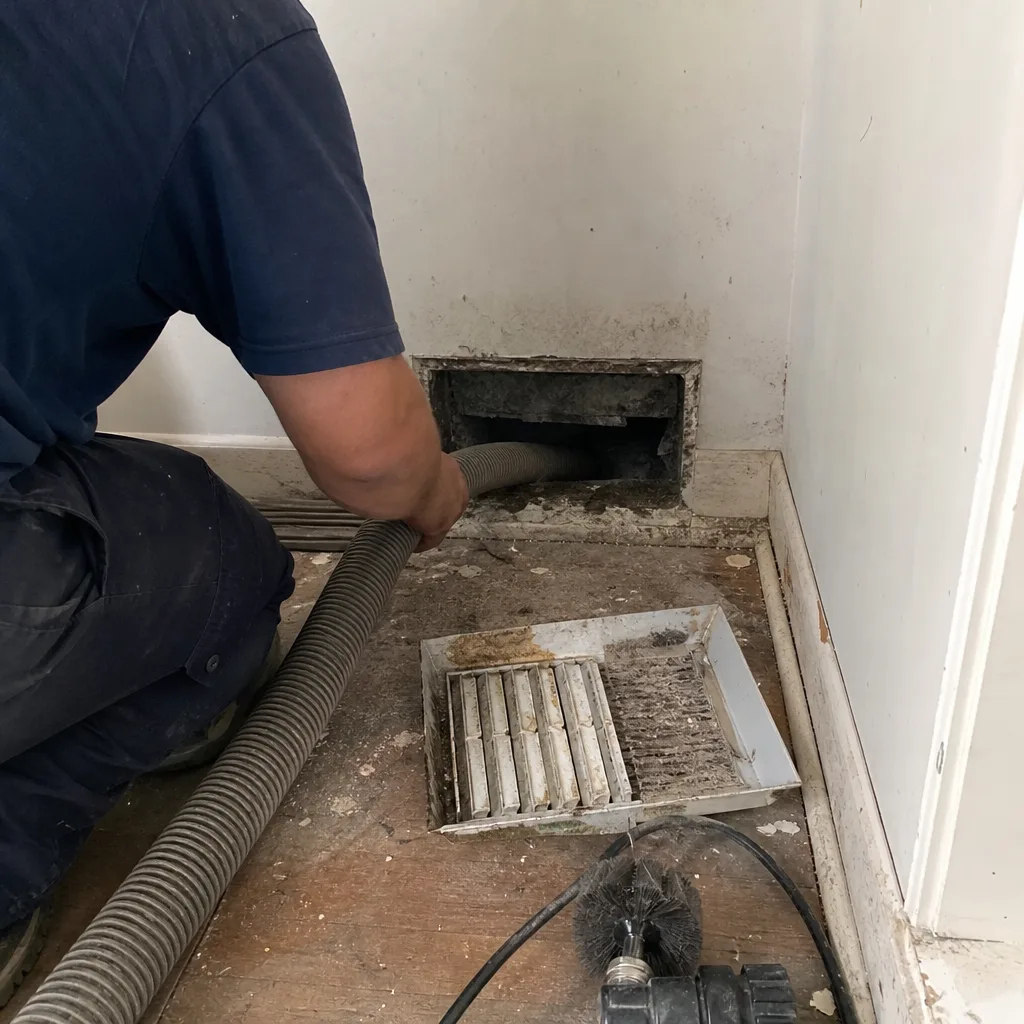
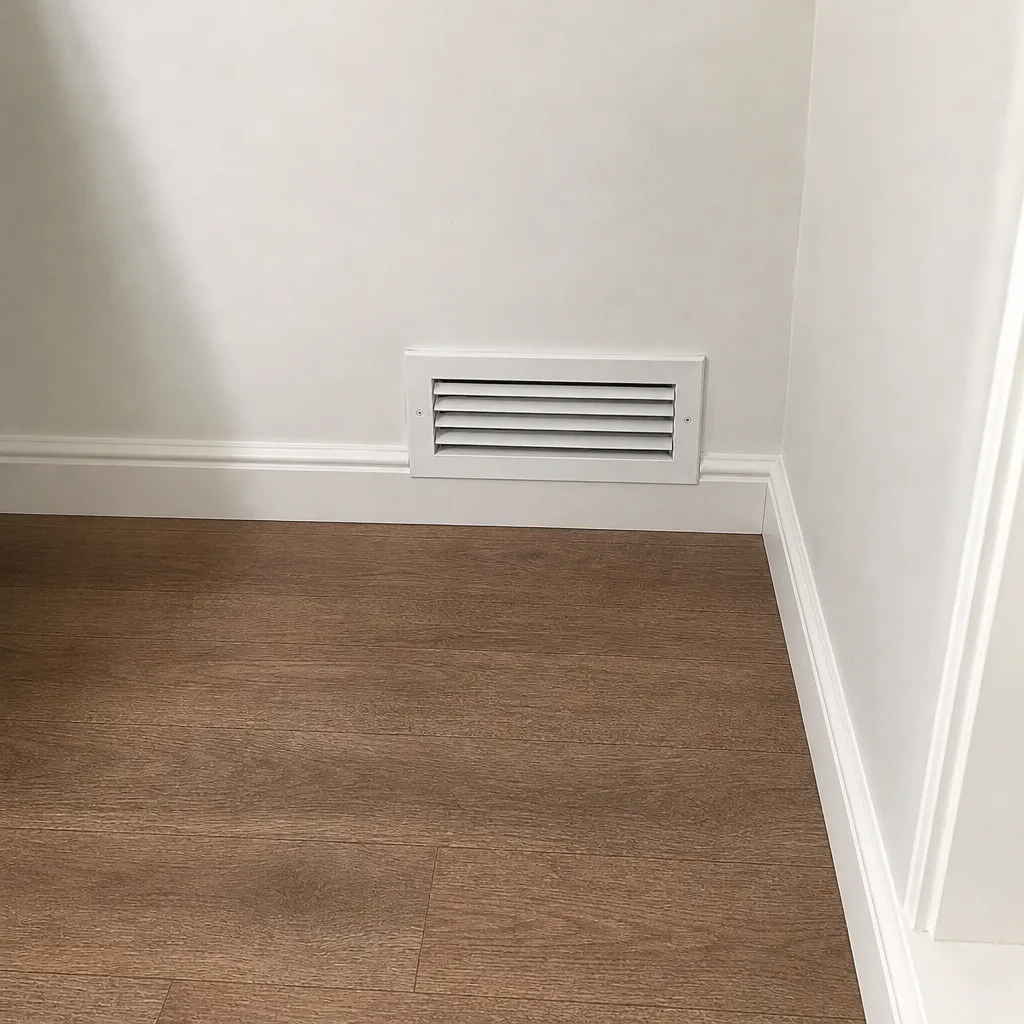
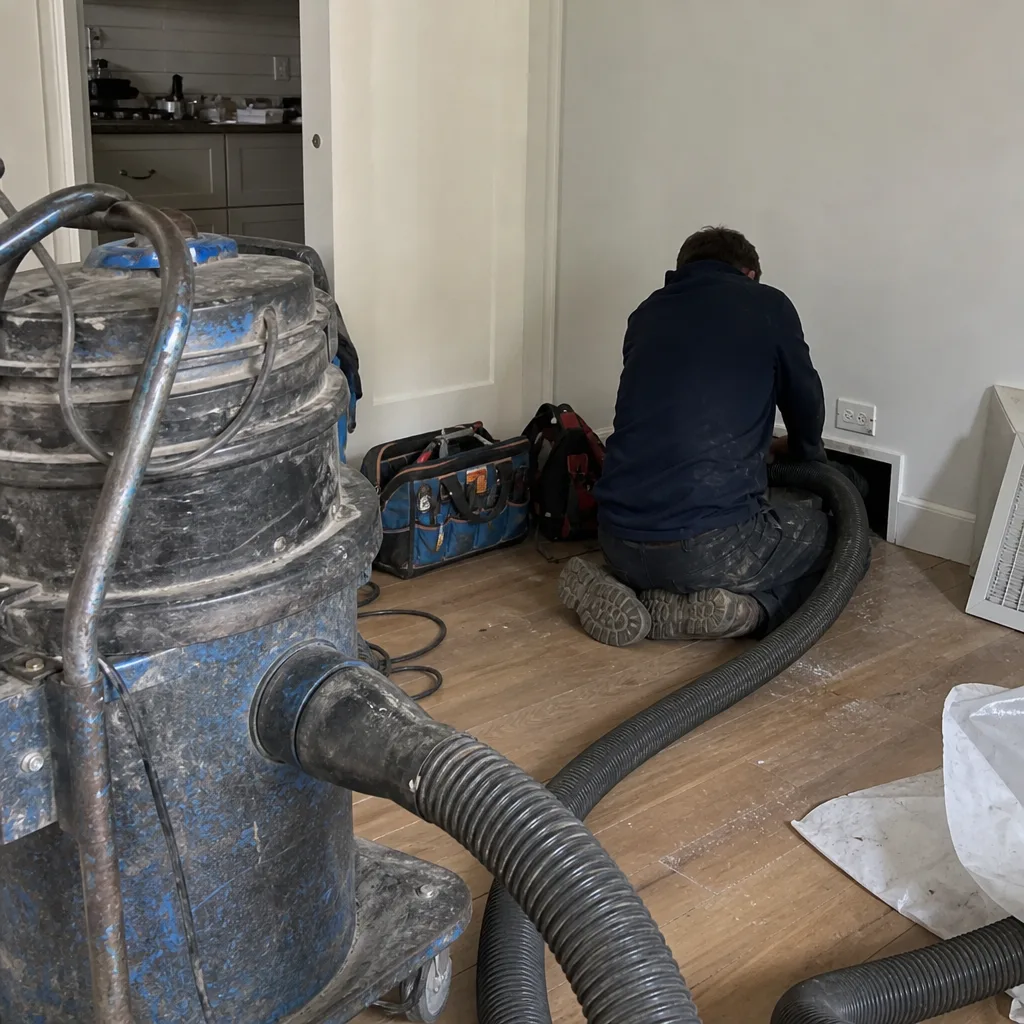
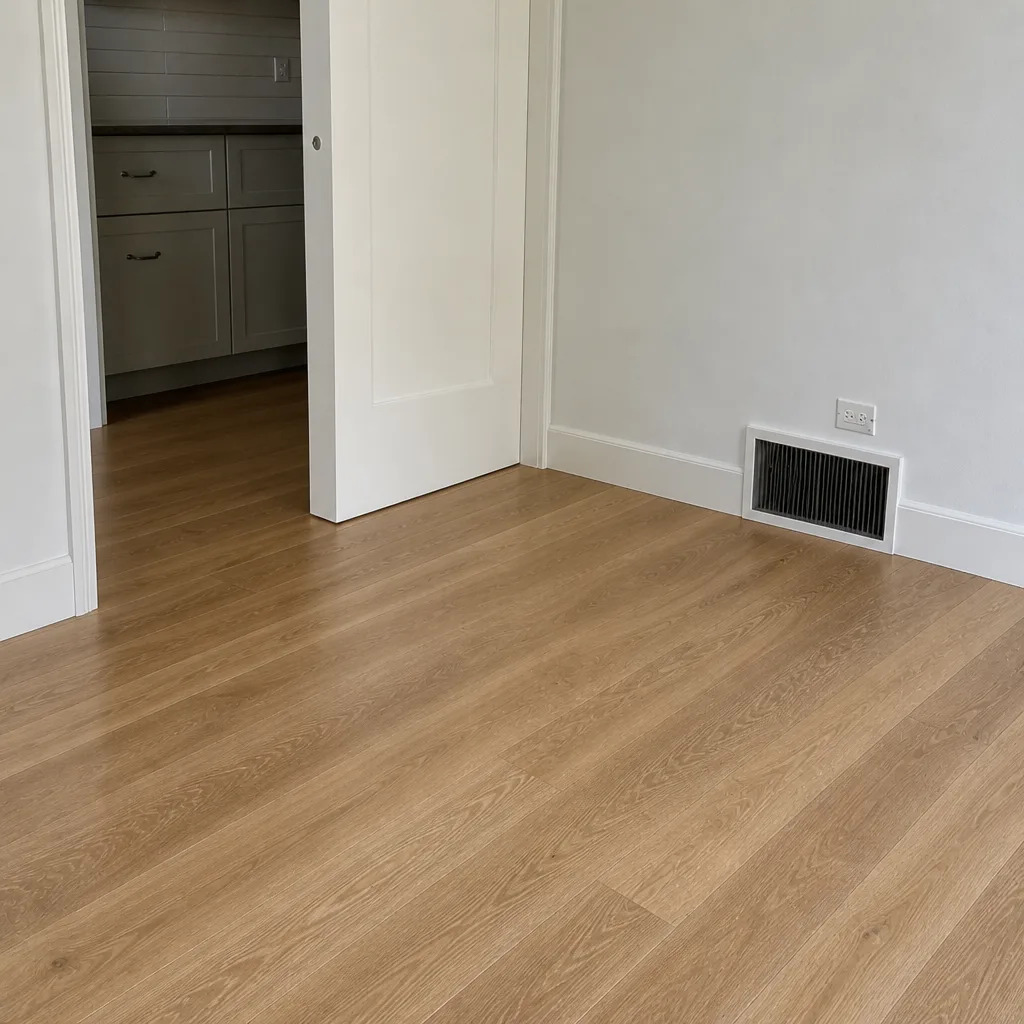
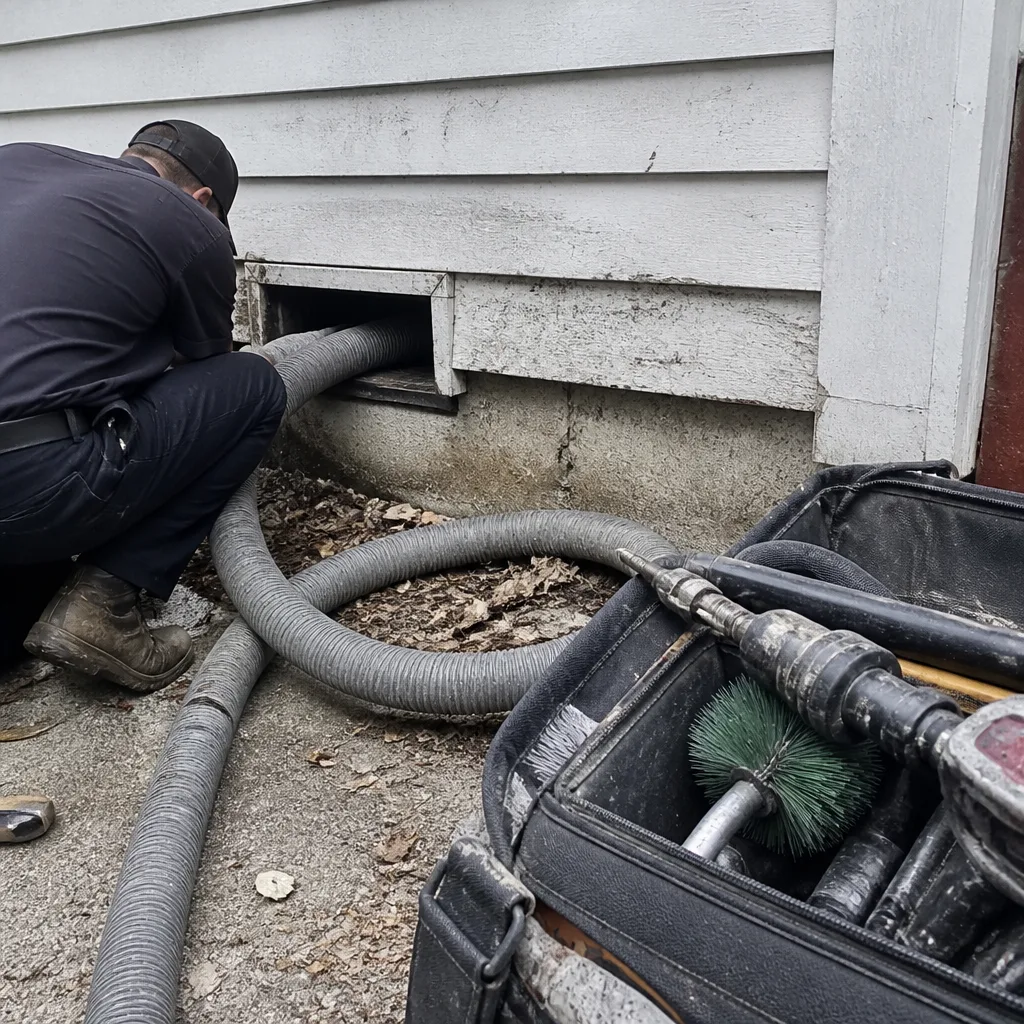
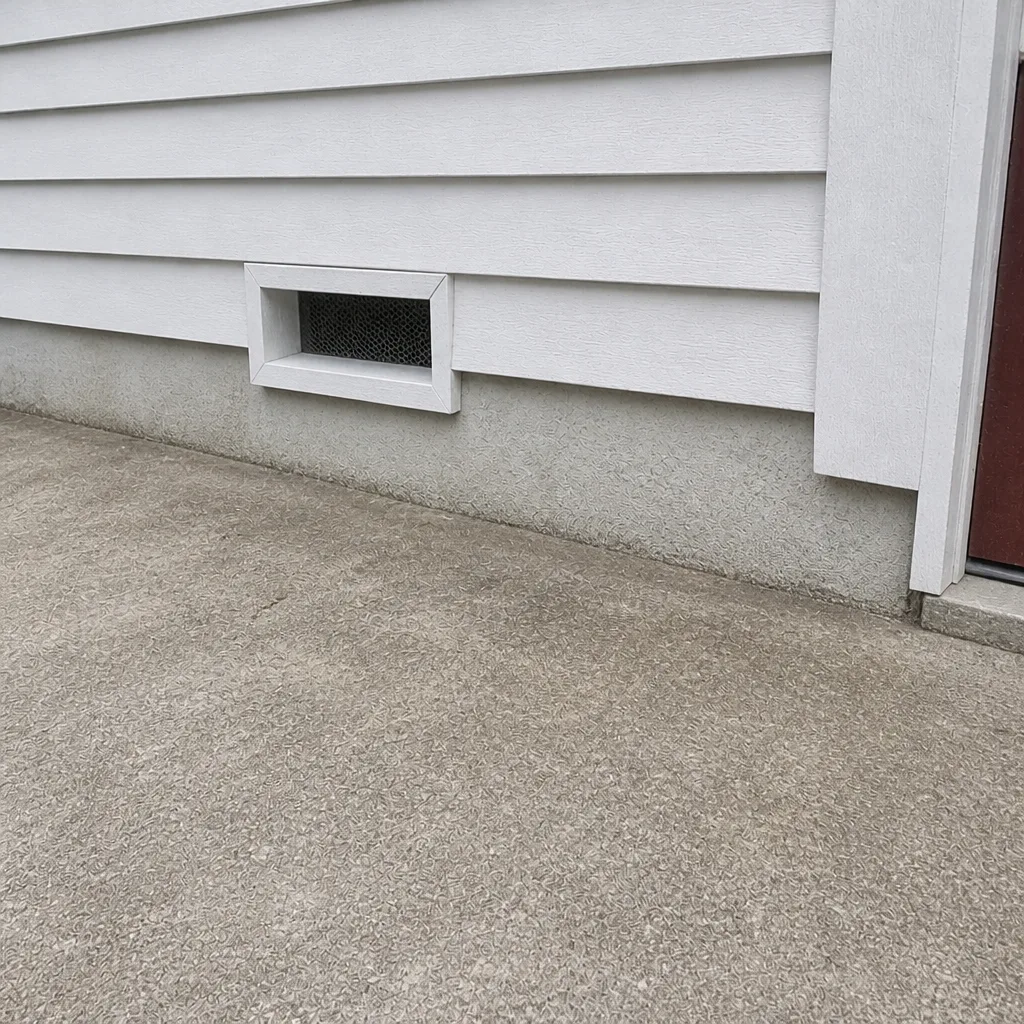
Whole-system duct and dryer vent check with before-and-after photos - you see exactly what came out of your vents
That "$99 whole-house special" is a bait ad - the real number appears once they are in your hallway, or the "clean" is a shop-vac at the register. We photograph the inside of your ducts before and after instead.
Air Duct Cleaning Maintenance Checklist for Charleston Homeowners
The surprise in ductwork is how long a problem can hide. A system can build up a real layer of dust, pollen and microbial film between professional cleanings and never announce itself with a smell, a whistle or a dust plume at the register. Then an HVAC technician pulls a supply grille during an unrelated repair and shows you the inside of the trunk line, and the question changes from “do I need cleaning?” to “how long has it been like that?” That gap between cleanings is where most contamination in Charleston homes actually accumulates, and it’s the part almost every checklist ignores. This guide lays out what to check monthly, when to change filters in our pollen seasons, how to keep a maintenance log worth handing to a contractor, and which local events should send you straight to the ducts.
Quick Answer
A workable air duct maintenance routine for a Charleston home has three layers: a monthly no-tools visual check of every register and return grille, filter changes calibrated to our pollen and humidity seasons rather than a generic 90-day rule, and a written log of filter condition, airflow and HVAC runtime that a technician can read at a glance. Layer in inspection triggers after named storms, flooding and drywall work, and keep the condensate drain clear, because a backed-up drain pan feeds moisture straight into the duct system. Professional cleaning is scheduled from evidence, not from a calendar.
Styles & brands we work with
- Whole-home duct cleaning
- Dryer vent cleaning
- Camera inspection
- Sanitizing & deodorizing
Table of Contents
- The Monthly No-Tools Check: What Normal Looks Like
- Filter Change Intervals for Charleston Conditions
- Building a Maintenance Log a Contractor Can Actually Use
- Post-Storm and Post-Flood Inspection Triggers
- After a Renovation: Drywall Dust and Old Ducts
- Why the Condensate Drain Belongs on Your Duct Checklist
- What Professional Cleaning Should Actually Involve
- How to Set a Cleaning Interval You Can Defend
The Monthly No-Tools Check: What Normal Looks Like
You can assess the health of an entire duct system from the grilles, and it takes about ten minutes with no tools. The point isn’t to diagnose – it’s to establish a baseline so a change becomes obvious. Walk the house once a month, system running, and look at the same things in the same order.
Start at the return grille, which is the single most informative point in the house. A return pulls the largest volume of air through the thinnest filter, so it collects the evidence first.
- Normal: a light, even grey film across the filter face, evenly distributed, dry to the touch.
- Early warning: dark patches concentrated on one side, a filter that looks matted or collapsed in the middle, or visible dust building on the grille frame rather than the filter.
- Call someone: black or green speckling, a damp or sticky filter, or dust puffing out of the grille when the system starts.
Then check each supply register. Hold your hand a few inches away and feel for a steady, even stream. A register that used to push hard and now barely moves air usually points to a partially closed damper, a crushed flex run, or a filter that’s loaded – not to a duct that needs cleaning. Feel along the grille edges too: dust streaks radiating out from the frame suggest air escaping past a poor seal rather than traveling through the system.
Finally, listen. Whistling at a register, a rattle in the return, or a new whoosh from an air handler closet all mean something changed in airflow. Note it. In our experience, the homeowners who catch duct problems early aren’t doing anything complicated – they’re just looking at the same six grilles once a month and noticing when one of them looks different from the others. For a deeper walkthrough of the full cleaning process and what it addresses, see our guide to air duct cleaning.
Filters”>Filter Change Intervals for Charleston Conditions
The universal “every 90 days” filter rule is wrong for Charleston, and it’s wrong in both directions. Our pollen load, our stretch of humid summer, and the amount of construction dust in older neighborhoods all change how fast a filter loads – and so does the filter’s own MERV rating.
Here’s how we’d calibrate it for a typical Charleston home:
- Spring pollen season: check the filter every three to four weeks. Fine yellow pollen coats the return face fast, and a loaded filter forces the blower to work harder, which is an efficiency problem long before it’s a duct problem.
- Peak summer humidity: check monthly. A filter that stays damp is a growth medium, and a damp filter is the quickest route to a damp evaporator coil.
- Fall and winter: the standard 60 to 90 day interval usually holds, unless you’re running the heat heavily or have pets.
- After any renovation: check daily during drywall work and replace the filter at the end, not the start.
Filter choice matters as much as timing. A basic pleated filter at a moderate MERV rating protects the equipment and keeps airflow up. Going straight to the highest MERV rating you can find is a common mistake in older Charleston homes with undersized returns – the filter loads fast and chokes the system. If you’re considering a filtration upgrade, the product lines we know well – Honeywell and Aprilaire among them – have specific airflow requirements, and a technician should confirm your return can carry them before anyone sells you one.
The honest rule: pull the filter out monthly and look at it. If you can’t see light through it held up to a window, it’s done, whatever the calendar says.
Building a Maintenance Log a Contractor Can Actually Use
A maintenance record turns “the air feels weird” into a diagnosable timeline. When a homeowner hands us a log, the conversation gets shorter and the diagnosis usually gets more accurate. You don’t need software – a notebook by the thermostat or a note on your phone works.
Log four things, and log them at the same time each month so the intervals stay comparable:
- Date and filter condition. A simple one-to-five scale works: 1 for clean, 5 for fully loaded. Note whether the dust is grey (normal household) or yellow (pollen), black, or damp.
- Register airflow. Pick two or three registers – one far from the air handler, one close – and rate the airflow the same way, 1 to 5, by feel. Consistency matters more than accuracy here.
- HVAC runtime. Many thermostats track runtime hours in the settings menu. If yours does, note the monthly total. Rising runtime with unchanged weather is an early efficiency signal.
- Anything unusual. A new whistle, a musty smell that appears only when the system runs, a register that’s suddenly weak. Write it down and date it.
Add a line item for condensate drain condition (more on that below), and note any event that could push debris into the system: a remodel, a roof repair, a storm that flooded the street. Two minutes a month builds a document that helps any contractor – and if you ever sell the house, it’s a maintenance record most buyers never get to see.
One more habit: take a phone photo of the return filter each month before you change it. Photos are faster than describing dust in words, and they show a technician the trend, not just the current state.
Post-Storm and Post-Flood Inspection Triggers
Charleston’s weather hands out inspection triggers on a schedule no checklist can predict. The rule is simple: after any event that brings water into or near the building envelope, inspect the ducts before you run the system for long.
The events that matter most here:
- Hurricanes and tropical systems. Wind-driven rain finds its way in through roof penetrations and gable vents. If any part of the attic got wet, flex runs in that attic are suspect – flex duct can hold moisture in its inner liner long after the attic looks dry.
- Flooding and storm surge events. Any water that reached the air handler, the return plenum or the lower registers is a contamination event. Ducts that took on floodwater need assessment before the system runs, not after.
- Roof and window work. A roofer working near a gable vent can leave fine debris that migrates straight into the return.
Here’s what to check after a storm, in order:
- Look at the return filter. If it’s damp, shut the system down and get it assessed – a damp filter and a running blower spread moisture through the whole duct system.
- Open the air handler closet and look at the insulation and pan for standing water or water staining.
- Check every register for water staining around the frame or a damp grille face.
- Smell the airflow when the system restarts. A musty or earthy smell after a storm means the system needs professional attention, not a new filter.
Scheduling a professional inspection after a major storm is sensible even if nothing looks wrong, because the damage most likely to become a long-term problem – moisture sitting in insulation around a duct run – is invisible from the grille.
After a Renovation: Drywall Dust and Old Ducts
Drywall dust is the most underestimated contaminant a Charleston duct system sees. It’s finer than household dust, it travels on airflow the way flour travels on a draft, and it settles deep in trunk lines rather than at the registers. A kitchen remodel or a bathroom gut in a 1940s house on the peninsula can deposit more material into the ducts in four weeks than a normal year of use.
The preparation matters more than the cleanup:
- Before demolition starts, seal every register and return in the work zone with plastic and tape. This is the single best thing you can do and it costs almost nothing.
- Ask your contractor to use plastic sheeting and a negative-air machine with a HEPA filter if the scope is large. Drywall dust migrates through the whole floor if it isn’t contained.
- Keep the HVAC off during active sanding and demolition in the work zone if the system serves that space.
- Change the filter the day the work ends – not during, and not a week later.
After the dust settles, run the system and watch the registers. A faint puff of white dust at startup means material reached the trunk lines. In older neighborhoods where remodels are constant, we’ve seen entire duct systems coated in a fine white film that was never visible from the grille. If the dust is present at the return and the system is running normally, an inspection is worth the call. Our crew works with Charleston homeowners in these older homes constantly, and a renovation is one of the most common reasons we get called.
Why the Condensate Drain Belongs on Your Duct Checklist
Most duct maintenance checklists skip the condensate drain entirely. That’s a mistake, because a clogged or slow condensate drain is one of the most direct paths from a small plumbing issue to a contaminated duct system.
Here’s the chain of events. Your air handler pulls moisture out of the air at the evaporator coil, and that water drains through a pan and a line to a termination point outside. When the line clogs – algae growth is common, and in our humidity it happens fast – the pan fills. If the pan overflows into the air handler closet, that moisture sits in insulation that lines the return and the surrounding ductwork. Wet insulation is a growth medium, and once it’s wet it rarely dries out properly in a closed closet.
What to check monthly, no tools required:
- Look in the pan. It should be dry between cooling cycles. Standing water, slime or rust staining means the drain is slowing down.
- Find the termination. Locate where the drain line exits the house and confirm you see or hear water dripping when the system is cooling. A drain that trickles steadily is working; one that drips intermittently or not at all is suspect.
- Smell the closet. Any musty or earthy smell around the air handler suggests moisture is staying where it shouldn’t.
- Check for water staining on the closet floor, the pan exterior and the insulation around the return.
If you find a problem, stop running the system in cooling mode until it’s cleared. A slow drain you catch in a monthly check is a plumbing fix; a drain you catch after a month of overflow is a duct problem too.
What Professional Cleaning Should Actually Involve
Any company can call itself a duct cleaner. The difference between a real cleaning and a surface wipe-down comes down to equipment and containment, and you can ask about both before you book.
Professional cleaning should use two things working together: contact cleaning and simultaneous high-efficiency extraction. In our process, that means rotating brush systems like Rotobrush to agitate material off the duct walls while a HEPA vacuum rig captures it in the same pass. On larger or dirtier systems, we bring in Nikro HEPA rigs for the vacuum side. The tool categories matter – these are the same classes of equipment used in commercial and restoration projects, not consumer-grade vacuums with a long hose.
Containment is the second question to ask. A proper cleaning uses negative pressure and air scrubbing so that what comes off the duct walls is captured rather than recirculated into the living space. We deploy Abatement Technologies air scrubbers on site as part of the standard process for exactly that reason.
Three more things a serious service should offer:
- Before-and-after photos of your own ducts, not stock images. Ask to see them as part of the service, not as a favor.
- Repair capability. If a cleaning turns up a crushed flex run, a disconnected joint or a section of damaged duct, the company that finds it should be able to fix it rather than hand you a referral.
- Honest filtration advice. A cleaning company should be able to explain what your return can and can’t handle, and be familiar with the major IAQ product lines – Honeywell, Aprilaire and others – rather than just selling you the most expensive filter on the shelf.
If you want to know what a cleaning actually costs and why quotes vary so widely, our Charleston Duct Cleaning team is happy to walk you through it before you commit to anything.
How to Set a Cleaning Interval You Can Defend
There is no universal “every X years” rule for duct cleaning, and any company that gives you one without asking questions is guessing. The right interval comes from evidence: your log, your inspection findings and your triggers. Here’s how to think about it for a Charleston home.
Work through these questions:
- What’s the evidence in the log? A return filter that consistently hits a 5 within two weeks, or registers that read a consistent 2 on airflow when they used to read 4, are signals worth investigating regardless of when the last cleaning was.
- What triggers has the house seen? A flooded street, a storm that wet the attic, a major remodel in the last 18 months. Each of those is a reason to inspect now rather than stay on a calendar.
- What does the register look like when a technician pulls it? A visual inspection inside the trunk line tells you more than any general schedule.
- Is the system older or oversized? Older galvanized duct systems in this city’s mid-century neighborhoods hold material differently than modern sealed systems.
For a typical Charleston home with no triggers, an inspection every 18 to 24 months is a reasonable starting point. Households with pets, active allergy sufferers, or an ongoing remodel should be inspected more often. If your sister service – dryer vent cleaning – is also due, the two can be scheduled in the same visit, which is one of the practical advantages of a company that specializes across all three services rather than farming them out.
See the difference
 Before
 After
 Before
 After
 Before
 After
Common Mistakes to Avoid
- Following the 90-day filter rule without looking at the filter. In Charleston’s spring pollen season, a filter can load in three weeks. Pull it out and hold it up to the light instead of trusting the calendar.
- Sealing nothing before a remodel. Drywall dust reaches the trunk lines fastest when the registers are left open and the HVAC is running during demolition. Cover and tape every register in the work zone before the first hammer swings.
- Ignoring the condensate drain until it overflows. A slow drain is a one-minute fix if you catch it in a monthly check, and a wet-insulation-and-duct-cleaning problem if you catch it a month late.
- Buying the cheapest cleaning quote. A low teaser price that becomes a much larger invoice once the technician is on site is the most common complaint in this trade. Ask for a written, whole-system price before anyone starts work, and ask what equipment is coming through the door.
- Assuming a new filter fixes a musty smell. A musty smell that appears only when the system runs points to the ducts or the coil, not the filter. Replacing the filter masks the symptom for a week at best.
- Skipping the post-storm check. Wind-driven rain reaches attics here more often than homeowners realize. A damp flex run in an attic that looks dry is a problem that gets worse, not better, once the system runs again.
- Throwing away grime without proof. Ask for before-and-after photos of your own ducts. If a company doesn’t take them, you have no way to know what was actually removed.
When to Call a Professional
Call for a professional assessment if your condensate pan shows standing water or staining, your return filter reads loaded within a couple of weeks, any register shows black or green speckling, or a damp smell appears when the system runs. Call after a hurricane, a local flood event, or any renovation that generated real drywall dust in a space the system serves. Call if one register has gone noticeably weaker than the others, which usually means a crushed or disconnected duct run rather than dirt. And call if it’s simply been more than two years without an inspection. We repair what we find, so a single visit can cover the cleaning and any duct damage that turns up. Call (888) 274-9947. We answer 24/7. Fast dispatch from 7am to 7pm, Sunday through Friday. Estimates are free.
Frequently Asked Questions
For most Charleston homes with no special triggers, an inspection every 18 to 24 months is a reasonable baseline, with cleaning scheduled based on what the inspection finds rather than a fixed calendar. Homes with pets, allergy sufferers, recent remodels or storm exposure should be inspected sooner. Your maintenance log – filter loading rates and any change in register airflow – is the best guide. Call (888) 274-9947 for a free estimate.
Yes, most of the time. A return filter that loads within weeks, a musty smell that only appears when the system runs, visible dark speckling at a grille, or one register that’s noticeably weaker than the rest are all visible from outside the ductwork. If you see any of them, an inspection is worth the call. A proper diagnosis still needs someone to look inside the trunk line. Call (888) 274-9947 to book an assessment.
Yes, substantially. Our humid summers mean a damp filter or a backed-up condensate pan stays wet long enough for growth to establish, and it means the condensate drain deserves a monthly check rather than an annual one. The pollen load in spring also loads filters much faster than a generic 90-day interval accounts for. Both factors point to monthly visual checks rather than waiting for a symptom. Call (888) 274-9947 for an exact quote on an inspection.
Seal every register in the work zone before demolition, change the filter the day the work ends, and watch the registers for dust puffs at system startup. If you see the dust, or if the work was substantial and the house is older, book an inspection. Drywall dust travels deep into trunk lines and won’t show up at the grille until the system has run for a while. Call (888) 274-9947 for a free estimate.
Usually because the equipment and the scope are different. A low quote often reflects a consumer-grade vacuum and a quick pass at the registers rather than contact cleaning with professional extraction and HEPA containment. Those systems also tend to be the ones that price per vent or add charges once on site. We set one flat price per system, agreed before work starts, with before-and-after photos of your own ducts. Call (888) 274-9947 for an exact quote – estimates are free.
Ask for before-and-after photos of your own duct system, taken from inside the trunk line and at the registers, and ask what equipment and containment were used. A professional service will also go over any damage they found – a crushed run, a disconnected joint – because the inspection that comes with cleaning turns up those problems. If the answer to either question is vague, that’s your signal. Call (888) 274-9947 to book a service with full documentation.
The Bottom Line
The gap between cleanings is where duct problems actually grow, and a monthly ten-minute check at the grilles closes most of it. Watch the return filter for loading rate, not just dirt. Calibrate filter changes to Charleston’s pollen and humidity seasons rather than the calendar. Keep a short log of filter condition, airflow and runtime so any technician can diagnose from evidence. Check the condensate drain every month, and treat storms, floods and renovations as automatic inspection triggers. Cleaning intervals come from what you find, not from a rule someone reads off a script. If you’d rather have a specialist look than keep guessing, that’s what we do – one focused trade, three services, professional-grade equipment rather than a shop vac and a coupon.
Call (888) 274-9947 for a free estimate. We answer 24/7. Fast dispatch from 7am to 7pm, Sunday through Friday.
Written by the team at Charleston Duct Cleaning.