
Last updated November 15, 2026
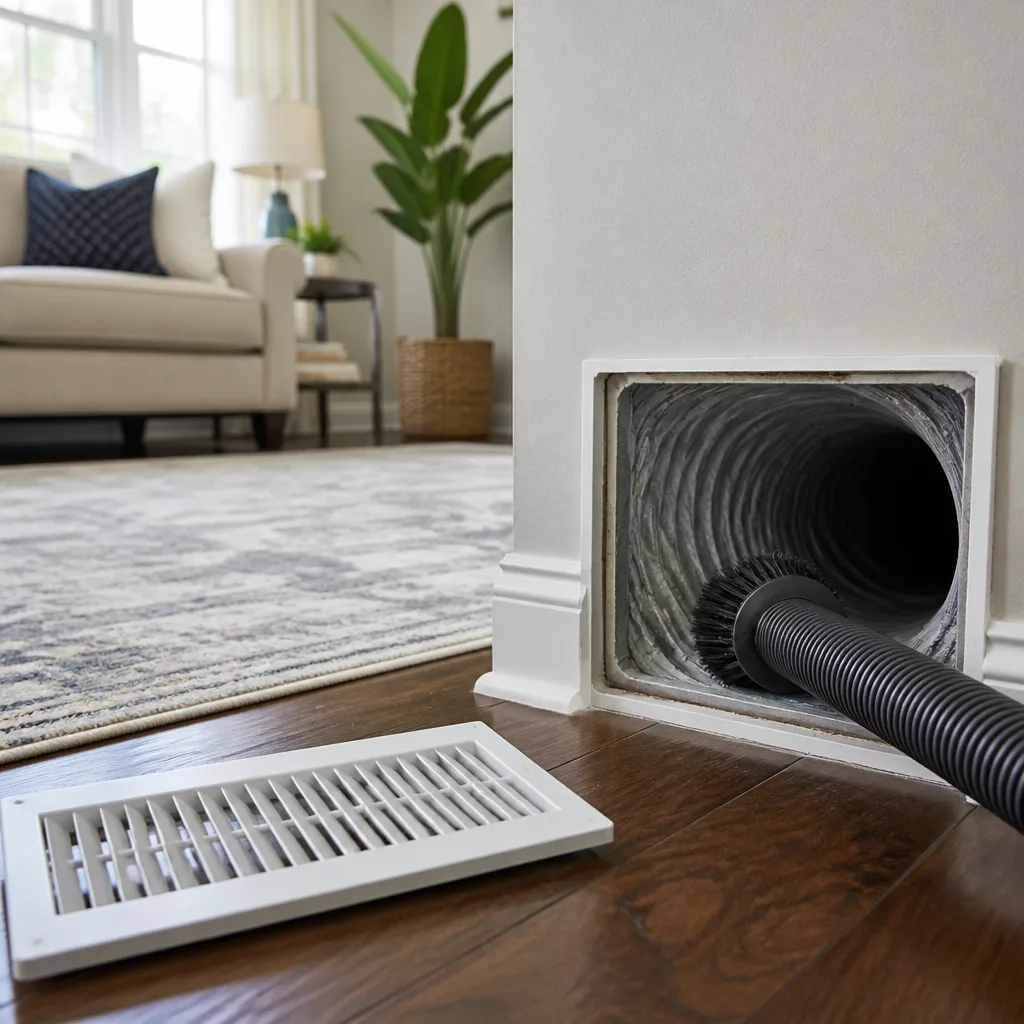 Whole-home duct cleaning
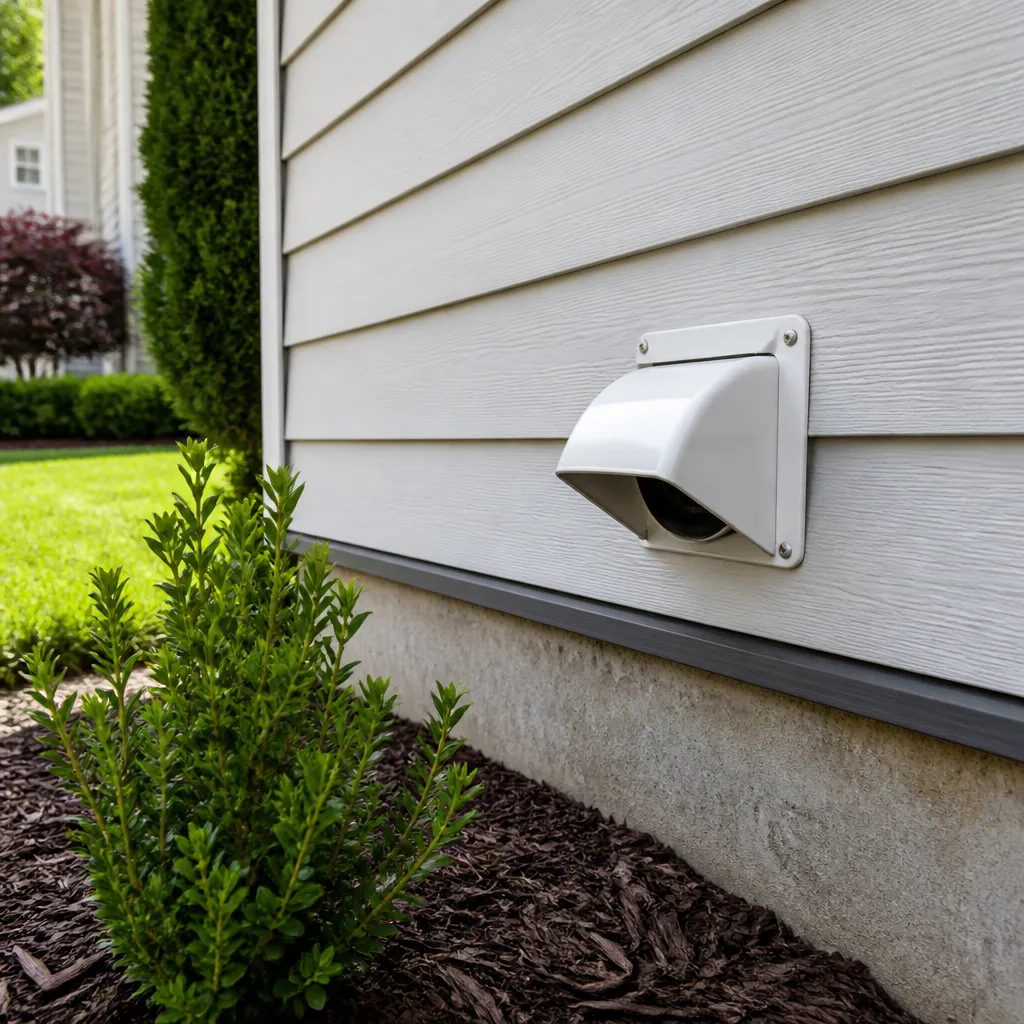 Dryer vent cleaning
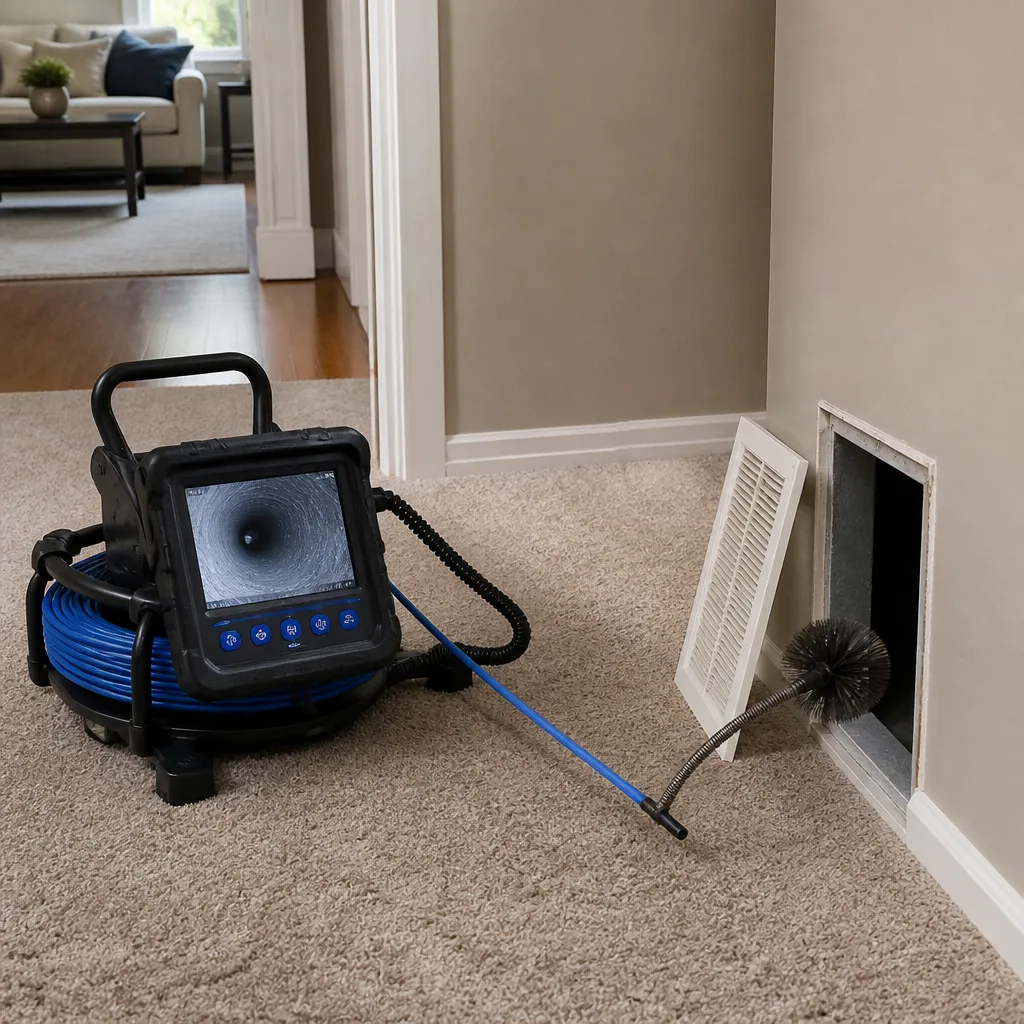 Camera inspection
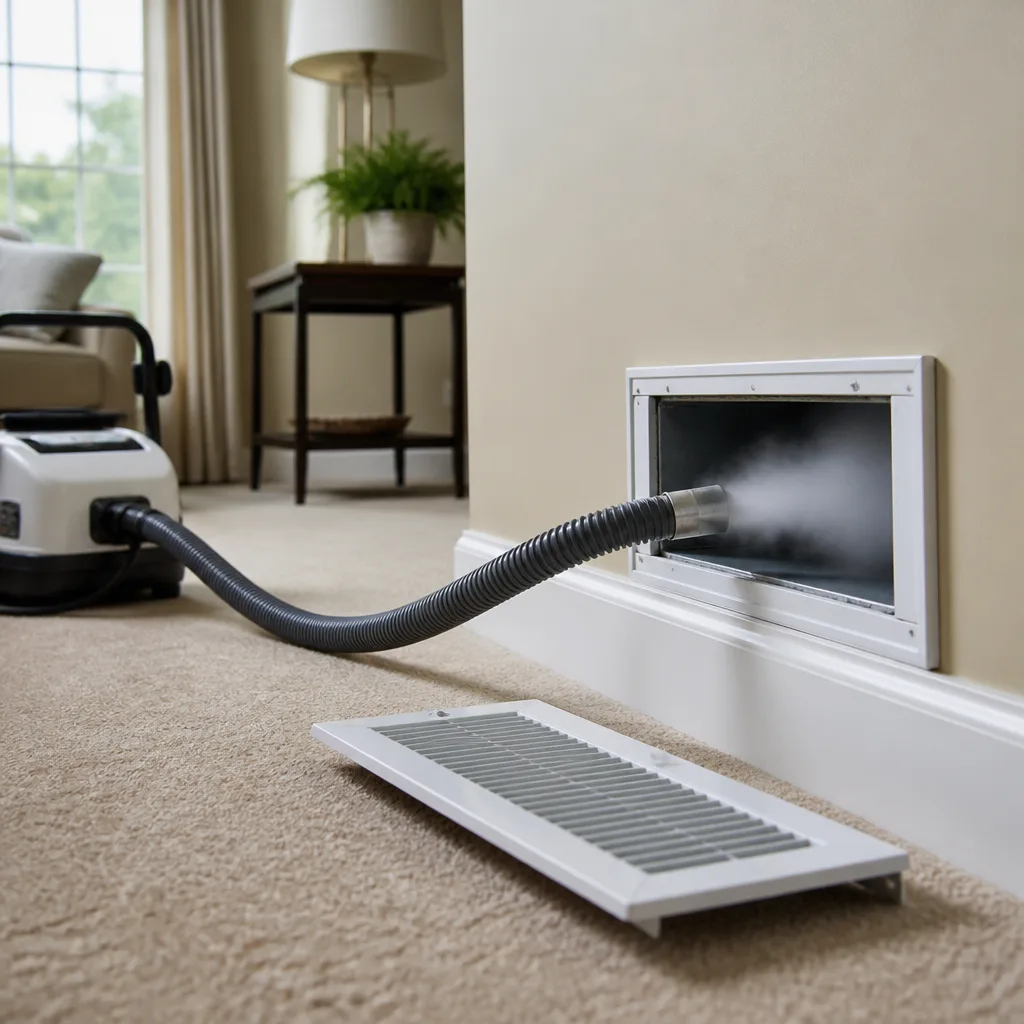 Sanitizing & deodorizing
Whole-system duct and dryer vent check with before-and-after photos - you see exactly what came out of your vents
That "$99 whole-house special" is a bait ad - the real number appears once they are in your hallway, or the "clean" is a shop-vac at the register. We photograph the inside of your ducts before and after instead.
Air Duct Cleaning Cost Breakdown: The Charleston Homeowner’s Reference for 2026
When you get three duct cleaning quotes and one is $150 and two are $600, you’re not looking at three prices for the same service. You’re looking at three different services that happen to share a name. That gap is the single most useful thing to understand before you book anyone in Charleston. It isn’t markup, and it usually isn’t a scam either, at least not at the high end. It’s scope and equipment. A $150 visit and a $600 visit use different machines, touch different parts of the system, and leave your ducts in different conditions. This reference breaks down exactly what drives cost at each tier, how to read a quote against what it actually delivers, and what realistic numbers look like in the Charleston market for 2026.
Quick Answer
Air duct cleaning in Charleston typically runs about $350 to $600 for a standard single-system home, $600 to $900 for larger homes or two-system setups, and $900 to $1,200+ for full-service jobs that include duct repair, heavy contamination, or extensive flex duct work. The single biggest variable isn’t the square footage of your house. It’s whether the quote covers whole-system cleaning with professional extraction equipment or just a surface pass at the vent openings.
Styles & brands we work with
- Whole-home duct cleaning
- Dryer vent cleaning
- Camera inspection
- Sanitizing & deodorizing
Table of Contents
- Cost Driver #1: Equipment
- Cost Driver #2: Scope
- Cost Driver #3: Duct Type
- The Add-On Legitimacy Test
- What the Charleston Market Looks Like in 2026
- How a Professional Duct Cleaning Job Actually Runs
- Common Mistakes to Avoid
- Frequently Asked Questions
Cost Driver #1: Equipment
Equipment is the largest single cost difference between a cheap quote and an expensive one, and it’s the one you can actually verify. A contractor running a portable shop-style vacuum pulls maybe a few hundred cubic feet of air per minute and has limited ability to move debris through long duct runs. A truck-mounted negative pressure system generates far more airflow and holds the entire duct system under vacuum while cleaning happens, so loosened debris travels toward the collection unit rather than back into your rooms.
The capital cost of the two setups isn’t comparable. A portable unit is a few hundred to a couple thousand dollars. A truck-mounted rig with the associated tooling runs into the tens of thousands. That difference has to come back somewhere, and it comes back in the quote. When a company charges $150, they are almost certainly not running that equipment, because the numbers don’t work.
We run dual-platform extraction: Rotobrush contact-cleaning systems for agitated, brush-based cleaning of the duct walls, and Nikro HEPA vacuum rigs for high-efficiency capture. Alongside those, Abatement Technologies air scrubbers run on-site during the service. Air scrubbers actively filter the air in your home while the work happens, instead of letting loosened particulates float through the living space and settle on your furniture. That’s the equipment tier used in commercial and restoration-grade projects. It’s not a shop vac and a coupon, and the price reflects it.
- Portable shop-style vac: low capital cost, limited airflow, minimal containment, cheapest quotes.
- Truck-mounted negative pressure: strong airflow, whole-system vacuum hold, higher capital cost.
- Rotating brush plus HEPA extraction: contact cleaning of duct walls with simultaneous high-efficiency capture.
- Air scrubbing during service: active filtration of your indoor air while the job runs, not after.
The practical takeaway: ask what equipment will be on-site before you accept any quote. A company that can’t name its machines is a company that has something to hide about its overhead.
Cost Driver #2: Scope
Scope is where most confusion lives, because two pricing models hide costs in completely different places. The “per vent” model charges a flat rate for each register, which sounds clear until you realize it says nothing about the trunk lines, the plenum, the air handler, or the main supply runs. A home with six vents might be quoted as six units, but the ducts those vents connect to are where the majority of the debris sits.
Whole-system pricing covers everything: every branch, the trunk lines, the plenum at the air handler, and the return side. It’s a single number for the complete system. That model is more expensive up front and more honest about what’s included.
Here’s where the per-vent model hides cost. When the technician arrives, they discover the trunk needs cleaning, the return is contaminated, or the plenum has buildup. Suddenly the per-vent price grows with add-ons that should have been part of the original job. The customer ends up paying roughly whole-system money anyway, but without the transparency.
At Charleston Duct Cleaning, we price one flat rate per system, agreed before work starts. No per-vent pricing, no add-on surprise once the technician is in the house. Before-and-after photos of your own ducts are part of the job, so you can see what was actually removed rather than taking someone’s word for it.
Cost Driver #3: Duct Type
Duct material matters more in Charleston than a lot of homeowners realize, because so much of the local housing stock uses flex duct. Flex duct has a flexible plastic core with an internal wire helix, wrapped in insulation. It’s cheap, fast to install, and common in Lowcountry construction, and it’s harder to clean properly than rigid metal.
The reason is the corrugation. Flex duct has ridges and valleys that trap dust, debris, and biological growth along the inner wall. A rigid metal duct presents a smooth surface that a brush can clear in a clean pass. Flex duct requires careful, low-pressure cleaning so the rotating brush doesn’t tear the plastic liner, plus attention to the wire helix and the inner surface at every turn and sag. A technician who skips those steps and just blasts air through will damage the liner, leave debris behind, or both. When the liner tears, you now have fiberglass insulation exposed to your airstream, which is a far bigger problem than the dust you started with.
This is why flex-heavy systems cost more to clean correctly. The work takes longer, the equipment settings are different, and the technician needs to know what they’re looking at. If a contractor quotes you the same price for a flex system as they do for rigid metal without asking about the duct type, they either haven’t inspected your system or don’t intend to do the extra work.
Duct repair capability is the other half of this. If a technician finds a disconnected flex run, a crushed section, or a duct boot pulled loose from the register, you need someone who can fix it in the same visit. That’s why we describe our service as “we repair what we find.” A cleaning-only contractor hands you a referral slip. One specialist, three services, all handled without a second call to another trade.
If you want to understand the cleaning process in more depth, our guide to air duct cleaning walks through it step by step.
The Add-On Legitimacy Test
Add-ons are where good quotes go bad. Some are real and reasonably priced. Others exist to pad an invoice. Here’s how to tell the difference.
Dryer vent cleaning. Legitimate, and worth doing. Lint buildup in a dryer duct is a real fire hazard and it makes your dryer work harder and longer. A proper dryer vent job involves a rotating brush run through the full length of the vent to the exterior termination, plus a check that the exterior flap opens freely. It’s a distinct service with distinct equipment, and pricing it separately is honest. If your dryer takes two cycles to dry a load, this is the add-on to say yes to.
Sanitizing or fogging. Legitimate if there’s a specific reason, suspect if it’s automatic. Antimicrobial application makes sense after water intrusion, a mold finding, or pest activity inside the duct system. If you’ve had none of those and the technician is pushing sanitizing before they’ve even cleaned, that’s upsell theater. Cleaning removes the food source. Sanitizing a dirty duct is wasted money.
Coil cleaning. Legitimate when the coil is actually dirty. The evaporator coil is where air passes right before it enters your living space, and a fouled coil drives up energy use and degrades cooling. A technician should be able to show you the coil before and after, or at minimum explain why they’re recommending it based on what they saw. If they can’t point to a visible problem, ask questions.
The filter sales pitch. Filtration upgrades are real, and the difference between a basic filter and a media cabinet or an Aprilaire or Honeywell filtration product is genuine. But filtration is a separate decision from cleaning, and it should come with honest recommendations about what your system can actually handle. A high-MERV filter on a system not designed for it chokes airflow. Good technicians know this and will tell you so.
What the Charleston Market Looks Like in 2026
Prices below are typical estimates for the Charleston area. Your written estimate is what sets the final price, because every system is different. But these ranges should give you a realistic reference point.
| Service tier | Typical price | What it includes |
|---|---|---|
| Basic single-system clean | $350 – $600 | Full supply and return, contact cleaning, HEPA extraction, containment |
| Larger home or two systems | $600 – $900 | Same scope across two air handlers, or a larger single system with multiple zones |
| Full-service with repair | $900 – $1,200+ | Cleaning plus duct repair, resealing, reconnecting, heavy contamination or extensive flex work |
| Dryer vent cleaning | Priced with the job | Full-length brush cleaning to exterior termination, flap check |
What pushes a job toward the high end in Charleston?
- Two separate HVAC systems. Common in larger homes and in homes with additions, and each system is a separate scope.
- Heavy flex duct with long runs. The corrugated interior traps more material and takes longer to clean correctly.
- Post-renovation debris. Drywall dust and construction debris travel through the system and pack into the returns. This is one of the most common reasons people call us.
- Duct damage found during cleaning. Disconnected runs, crushed sections, or boots pulled free mean repair work gets added to the scope.
- Access difficulty. Crawlspace or attic runs with tight clearances take longer.
- Biological growth. Moisture intrusion or long-term humidity buildup inside the system means more careful handling and possibly treatment.
One note about the local climate: Charleston’s humidity is a real factor. Damp air in a duct system is what biological growth needs to get started, which is why musty airflow is a common complaint here and why a system that has been pulling humid air for years may need more than a light clean. This is also why we run air scrubbers during the job, so what gets loosened gets captured rather than recirculated into that same humid air.
The best way to get an accurate number is a free estimate. Call (888) 274-9947. We answer 24/7. Fast dispatch from 7am to 7pm, Sunday through Friday.
How a Professional Duct Cleaning Job Actually Runs
Understanding the sequence helps you evaluate whether a quote is scoped properly. A typical professional job in Charleston runs something like this.
- Inspection and system mapping. The technician identifies the air handler, supply and return layout, duct material, and any obvious damage, and confirms the scope before anything is turned on.
- Containment setup. Air scrubbers run to filter the indoor air throughout the service, and negative pressure is established so loosened debris moves toward the collection point.
- Register and vent removal. Supply and return covers come off so the system can be cleaned end to end, not just at the openings.
- Contact cleaning. Rotobrush rotating brushes work the duct walls through every branch, trunk, and the plenum, while HEPA extraction pulls material out as it’s loosened.
- Repair and seal. Any disconnected runs, crushed sections, or loose boots found during cleaning are repaired and sealed in the same visit.
- Final verification. Before-and-after photos of your own ducts document what was removed, and the system is checked for airflow and resealed at the registers.
If a quote you’ve received doesn’t clearly account for steps two through five, you’re not comparing apples to apples. That’s the whole point of this guide. If you want to see the full process in detail, visit Charleston Duct Cleaning to learn about our service range.
Why Are Some Duct Cleaning Quotes So Much Cheaper?
Because they’re for a different service. A $99 or $150 quote almost never covers whole-system cleaning with professional extraction equipment and containment. It covers a technician with a portable vacuum doing a surface pass at the vents, sometimes with an aggressive upsell once they’re inside your home. The low price is the door opener. The real invoice comes later.
When you compare quotes against each other, price alone tells you nothing. Compare against the deliverable: what equipment will be on-site, what parts of the system will be cleaned, is containment included, are photos provided, and are repairs done in the same visit. A $600 quote that covers all of that isn’t expensive. A $150 quote that doesn’t is where the real cost hides.
What Does Duct Cleaning Actually Remove?
Dust, debris, drywall dust from renovations, lint, pet hair, and in some cases biological growth along the duct walls. A proper cleaning with contact brushes and HEPA extraction removes material from the duct surfaces, not just the loose debris near the registers. That’s why the equipment matters. Contact cleaning means the brushes physically reach the duct wall. Extraction means the material is captured and removed from your home rather than displaced into the air you breathe.
See the difference
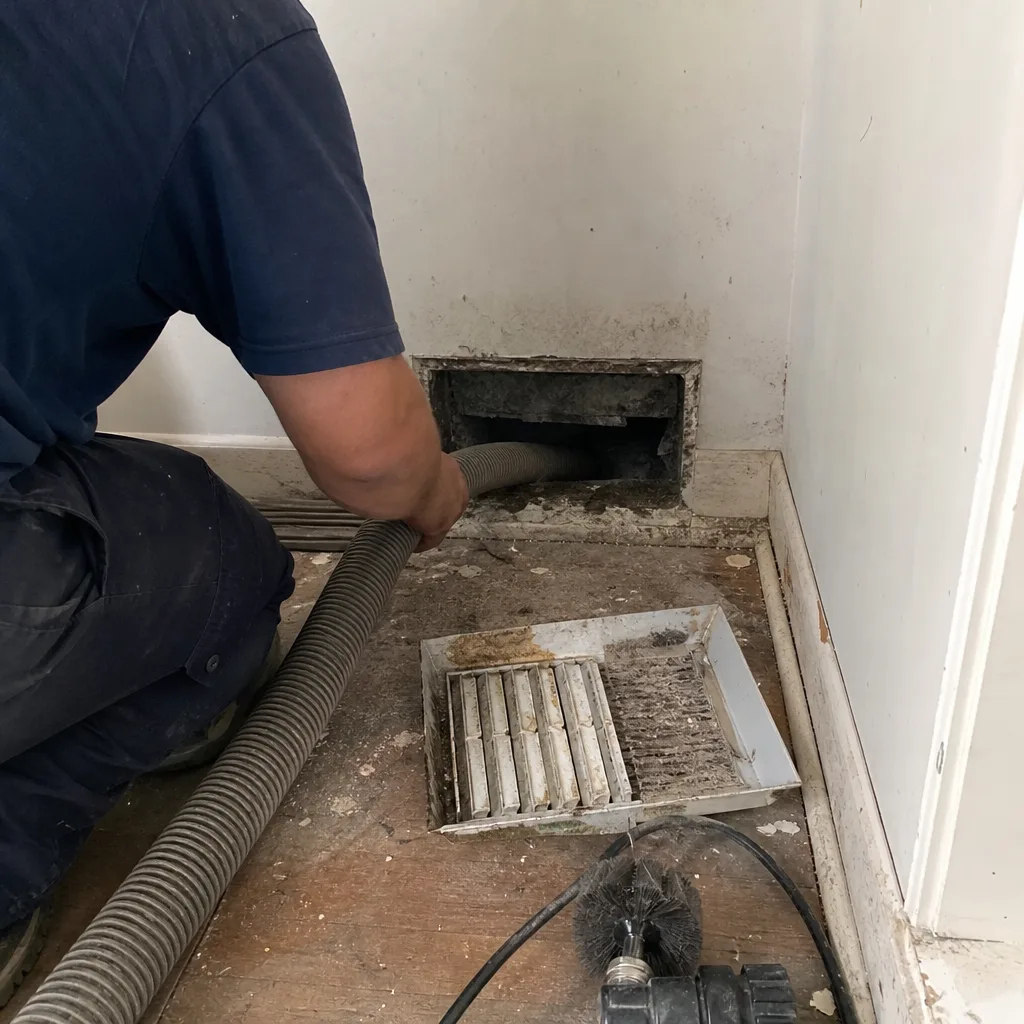 Before
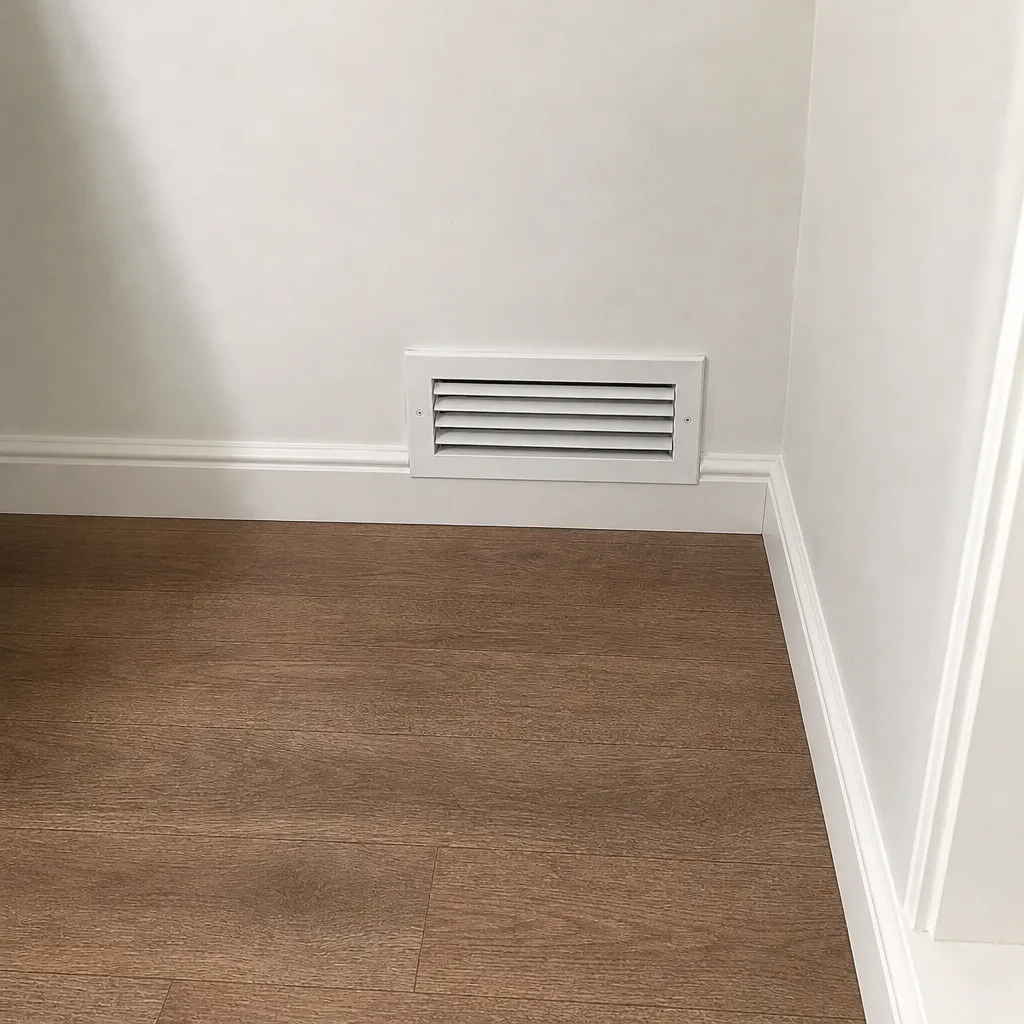 After
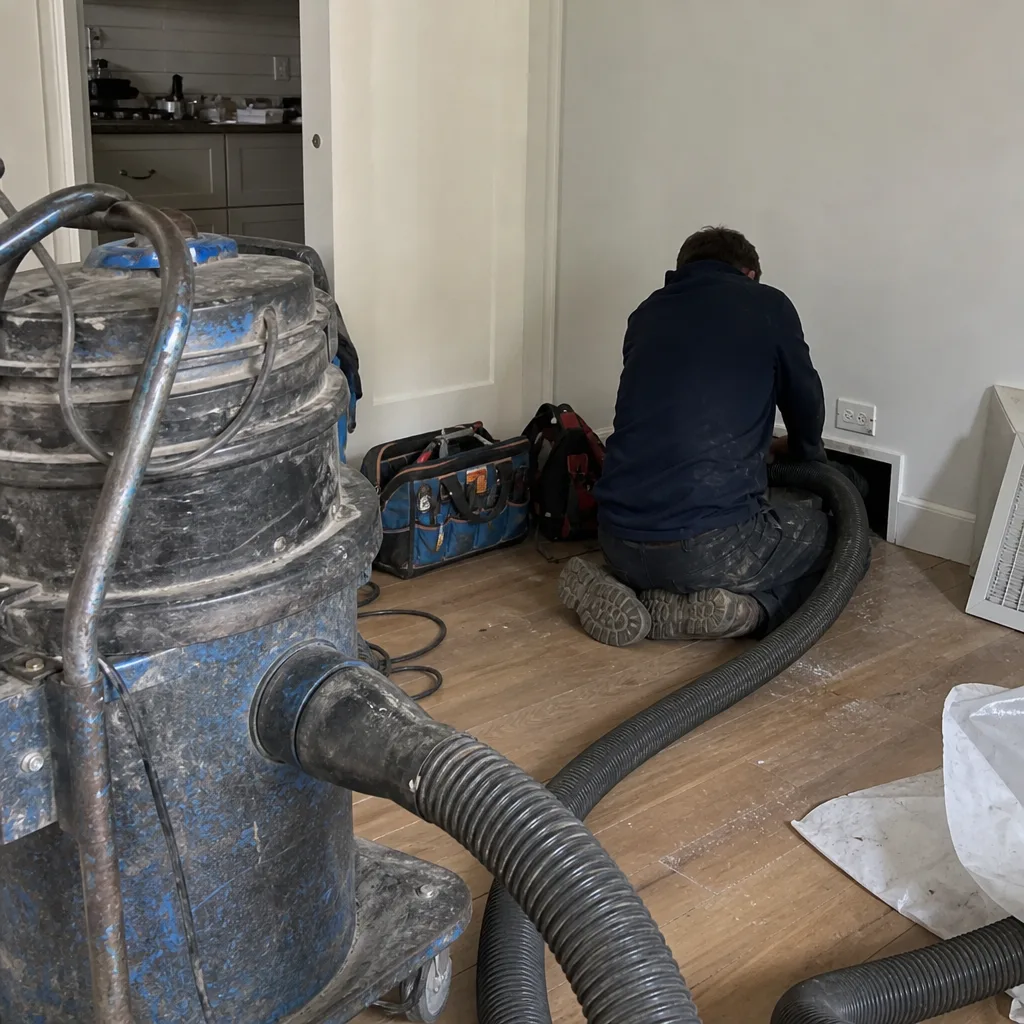 Before
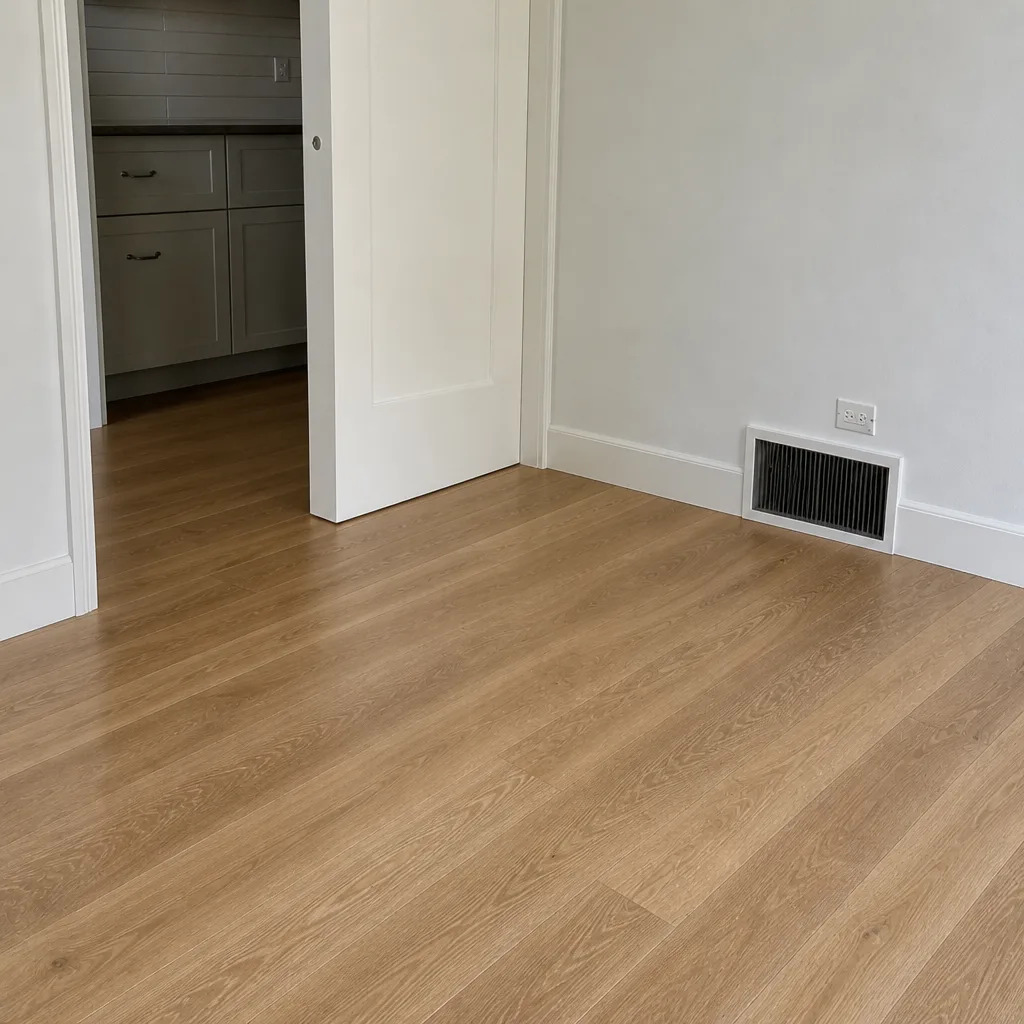 After
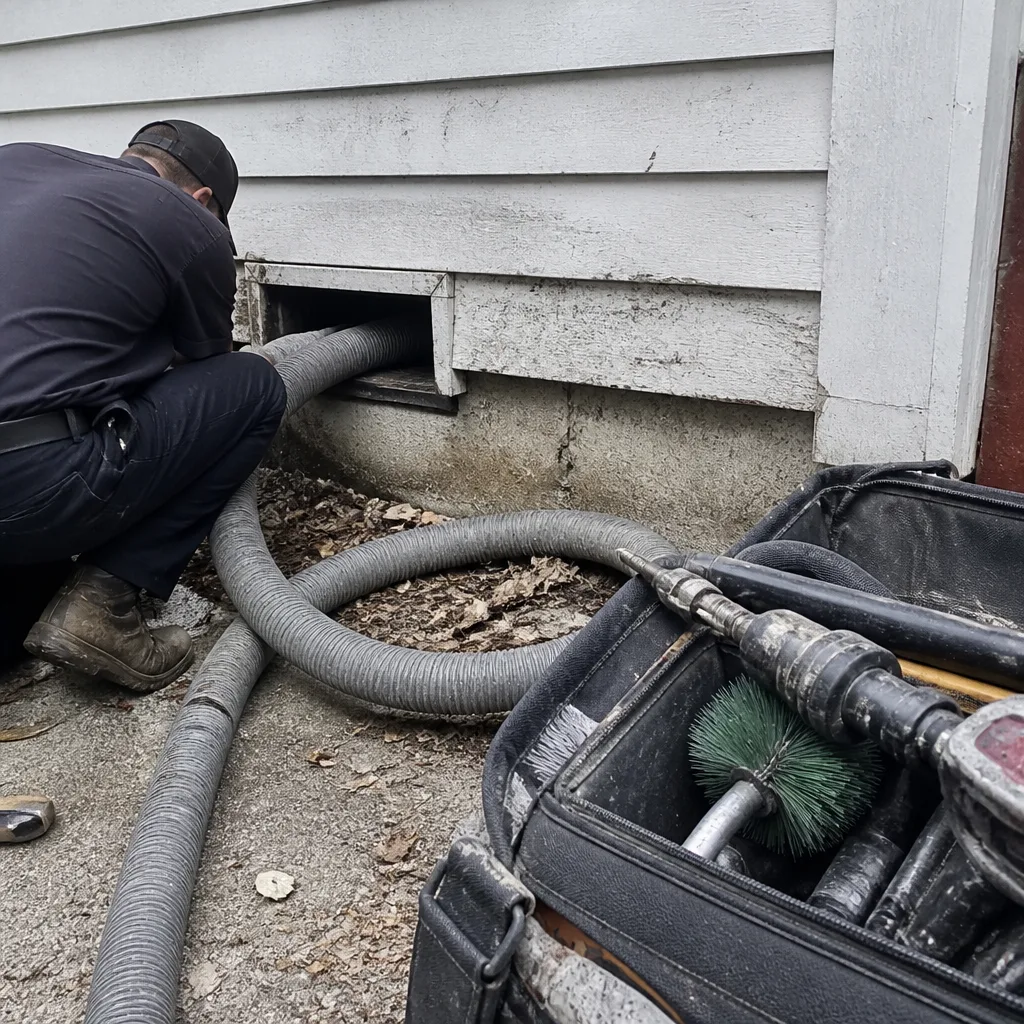 Before
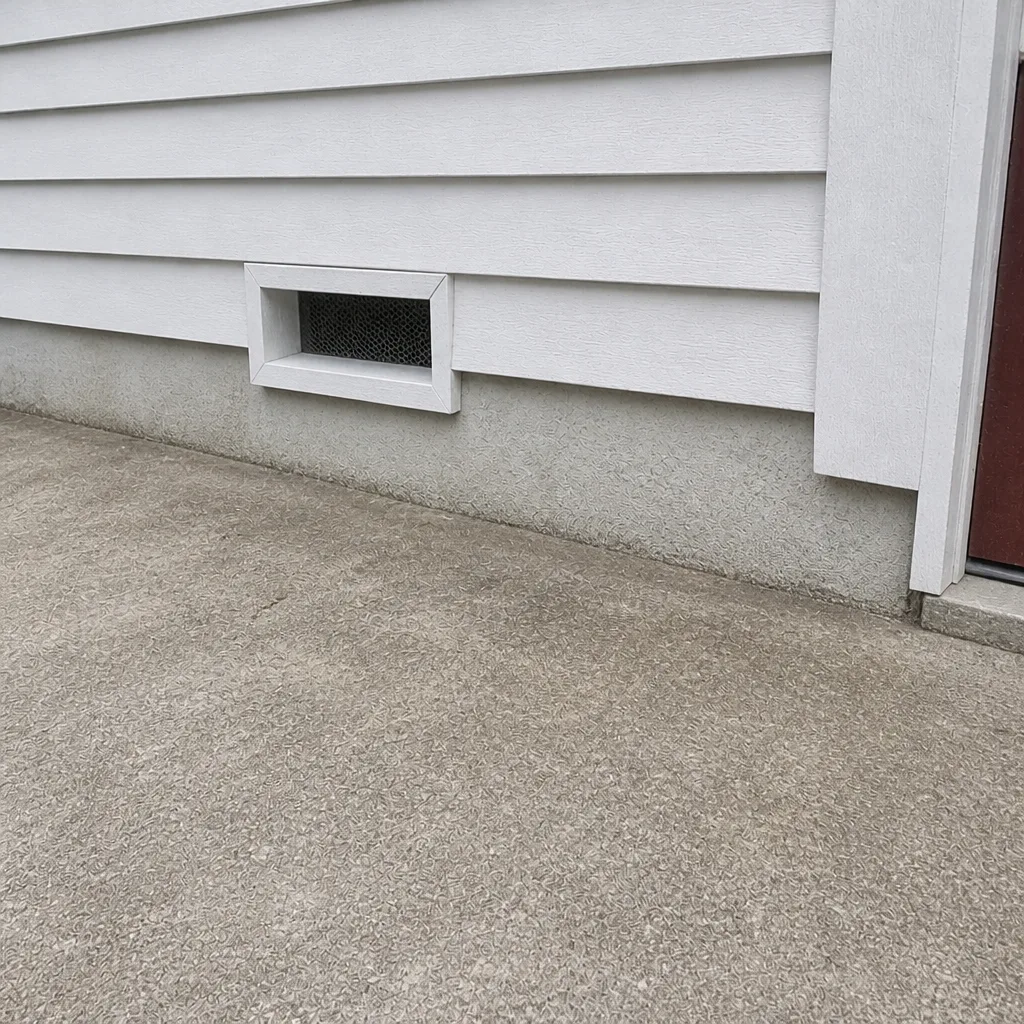 After
Common Mistakes to Avoid
- Comparing quotes without comparing scope. A $150 quote and a $600 quote are usually for different services. Line up the deliverables before you line up the prices, or you’re comparing nothing.
- Accepting per-vent pricing without asking about the trunk lines. Per-vent pricing often leaves the largest debris field in the system untouched. Ask specifically what’s being cleaned.
- Signing off on add-ons before the inspection. Sanitizing, coil cleaning, and filter upgrades should follow a documented finding, not precede it. If they’re pushed before the work starts, ask why.
- Assuming low-pressure cleaning is safe for flex duct. Aggressive cleaning tears the plastic liner and exposes fiberglass insulation to your airstream. Ask how the technician handles flex systems specifically.
- Ignoring dryer vent maintenance. Charleston homes with long dryer runs to the exterior are especially easy to overlook, and lint buildup there causes longer dry times and real fire risk. Have it cleaned as part of the same visit.
- Skipping verify-the-work questions. If a contractor can’t show you before-and-after photos of your own ducts, you have no way to know what was done.
- Believing a filter upgrade replaces cleaning. Filtration captures what passes through it. It does not clean what’s already sitting on the duct walls. Cleaner air starts inside the ducts, not just the filter.
When to Call a Professional
Call when you notice musty or stale airflow from the registers, especially in a home that’s been closed up or through a humid stretch. Call after a renovation that generated drywall dust or construction debris, since those particles travel straight into the returns. Call if your HVAC efficiency has dropped and the filter isn’t the explanation. Call if your dryer takes more than one cycle to dry a normal load, which points to lint buildup in the vent. Call if you’ve seen visible dust streaking around the registers or if the system hasn’t been cleaned in years and you don’t know its history. Charleston Duct Cleaning offers free estimates in Charleston. Call (888) 274-9947 to book one.
Frequently Asked Questions
Most single-system homes fall in the $350 – $600 range, larger or two-system homes run $600 – $900, and full-service jobs with repair or heavy contamination run $900 – $1,200+. Your written estimate sets the final price. Call (888) 274-9947 for an exact quote. Estimates are free.
Because the scope is different. A very low quote typically covers a surface pass with a portable vacuum and minimal containment, with the real cost arriving as upsells once the technician is inside. A whole-system clean with rotating brushes, HEPA extraction, and air scrubbing during the job costs more because the work is more. Compare scope, not just price. Call (888) 274-9947 for a free estimate.
Ask for before-and-after photos of your own ducts. A professional job produces them as part of the service, and they show exactly what was removed from your system. If a contractor finishes without documentation, you have no way to verify the result. We provide photos as standard. Call (888) 274-9947 to schedule.
It can, and it should. Flex duct has a corrugated interior that traps more debris and needs careful, lower-pressure cleaning so the liner isn’t torn. Properly cleaning a flex-heavy system takes longer than rigid metal, and a quote that doesn’t account for that is a quote for a different job. Call (888) 274-9947 to get an estimate based on your actual duct type.
Most homes do well on a multi-year cycle, and the honest answer is that it depends on your home. Pets, renovations, humidity, and how much you run the system all move the needle. A home post-renovation or with visible dust streaking may need it sooner. If airflow smells musty in a Charleston home, that’s a signal to get it checked. Call (888) 274-9947 for a free estimate.
Yes. We repair what we find, in the same visit. Disconnected runs, crushed sections, and loose boots get fixed and sealed rather than referred out. That’s the advantage of one specialist covering cleaning and repair together, and it means you’re not booking a second trade to finish the job. Call (888) 274-9947 to discuss what your system needs.
The Bottom Line
The gap between a $150 quote and a $600 quote isn’t markup. It’s equipment, scope, and duct type: professional extraction and containment systems versus a shop vac, whole-system coverage versus vent openings, and careful flex duct handling versus a quick pass. Evaluate quotes against the deliverable and they’ll tell you the truth. Realistic numbers for Charleston in 2026 run $350 – $600 for a standard single system, $600 – $900 for larger or two-system homes, and $900 – $1,200+ for full-service work with repair. Insured and bonded, one flat price per system agreed before work starts, before-and-after photos of your own ducts, and a satisfaction guarantee. Cleaner air starts inside the ducts, not just the filter. Free estimates are available for homes and properties in Charleston and the surrounding area. Call (888) 274-9947. We answer 24/7. Fast dispatch from 7am to 7pm, Sunday through Friday.
Written by the team at Charleston Duct Cleaning.