
Last updated November 15, 2026
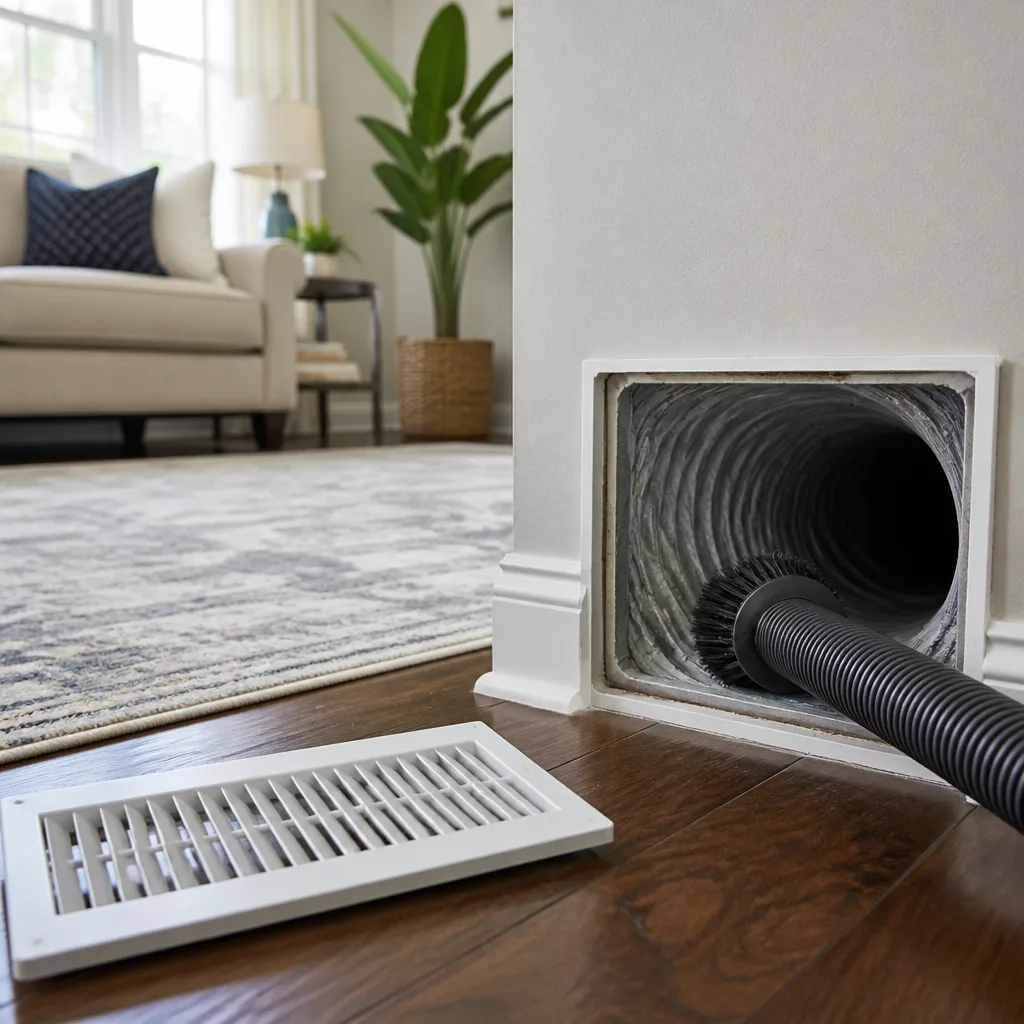 Whole-home duct cleaning
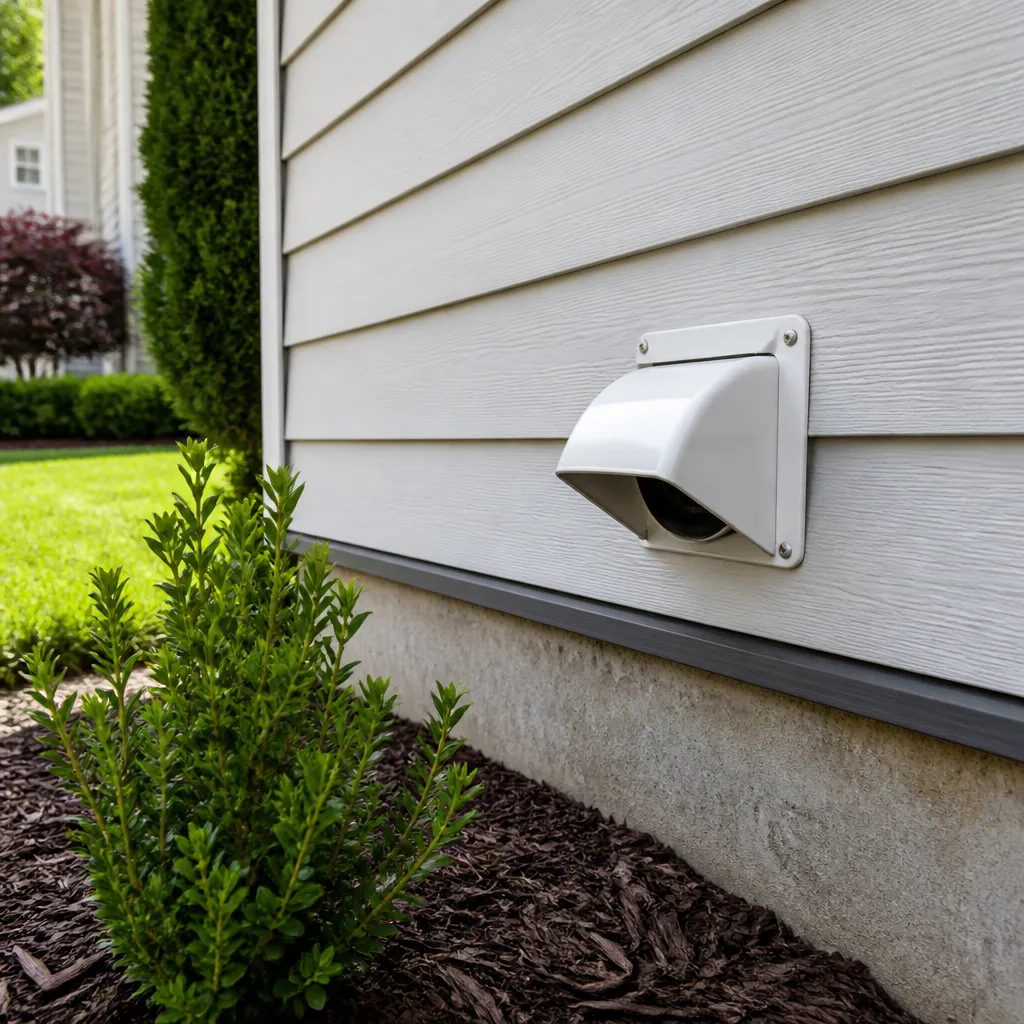 Dryer vent cleaning
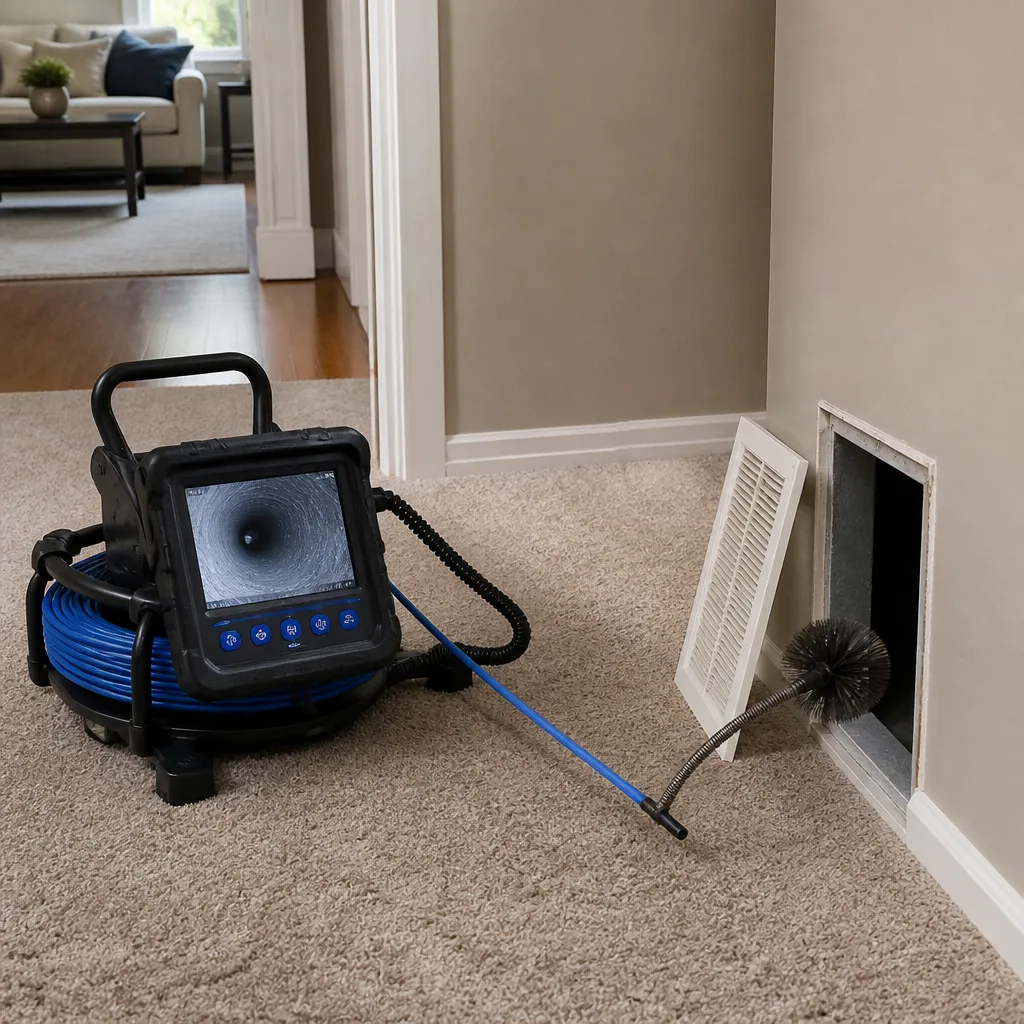 Camera inspection
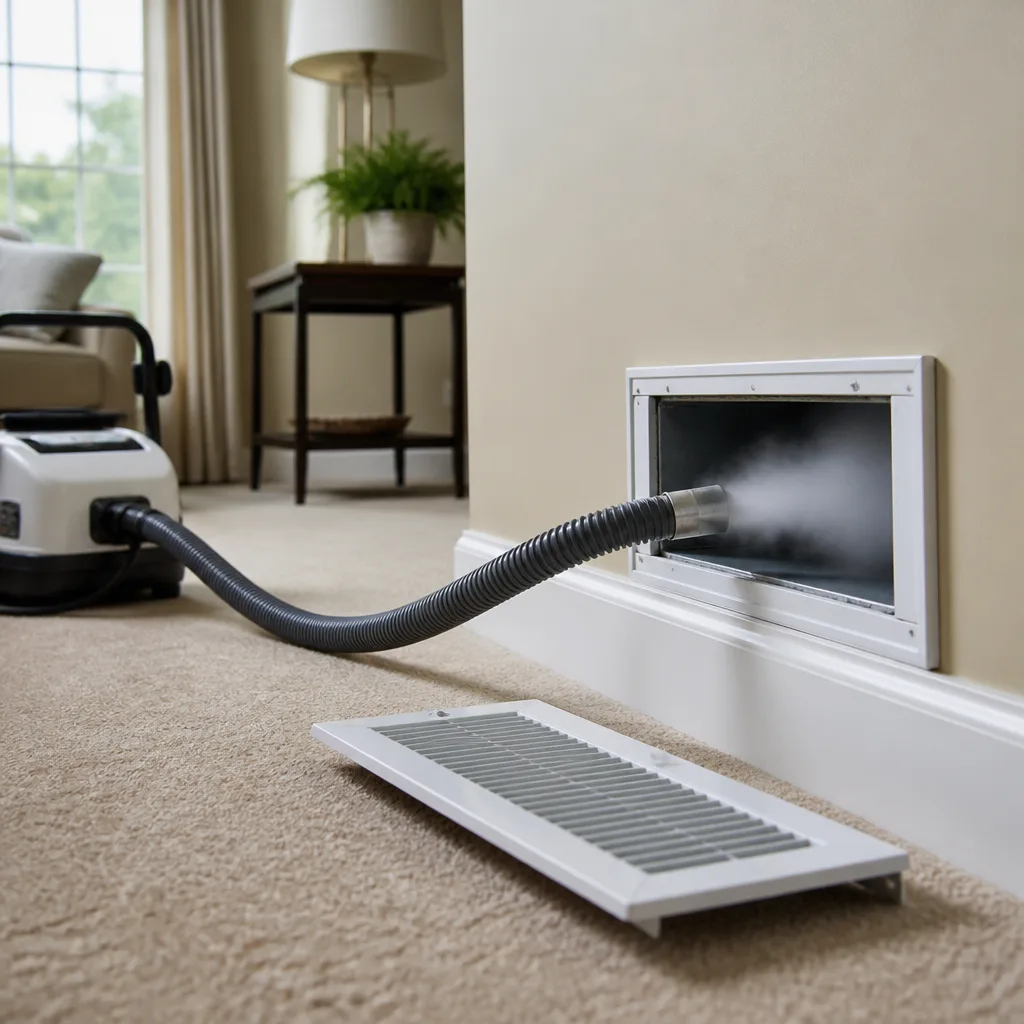 Sanitizing & deodorizing
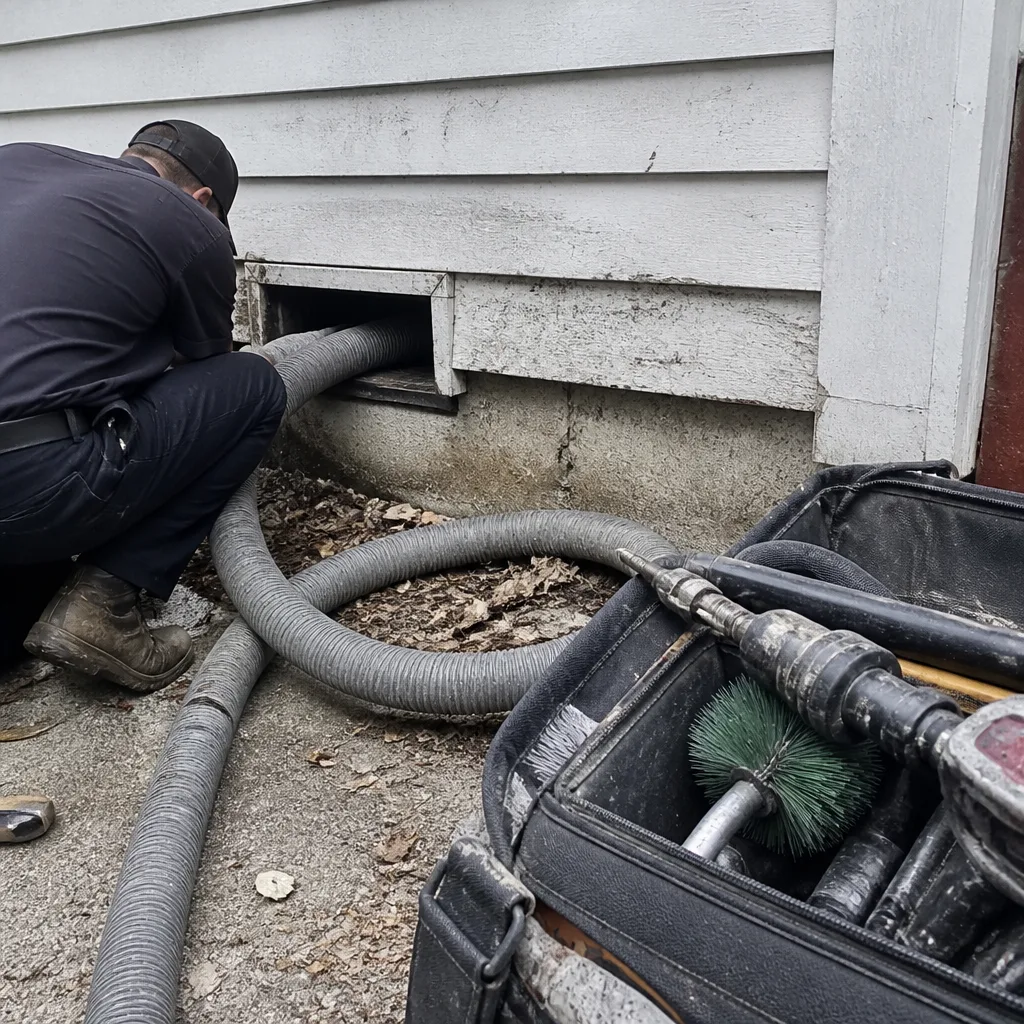
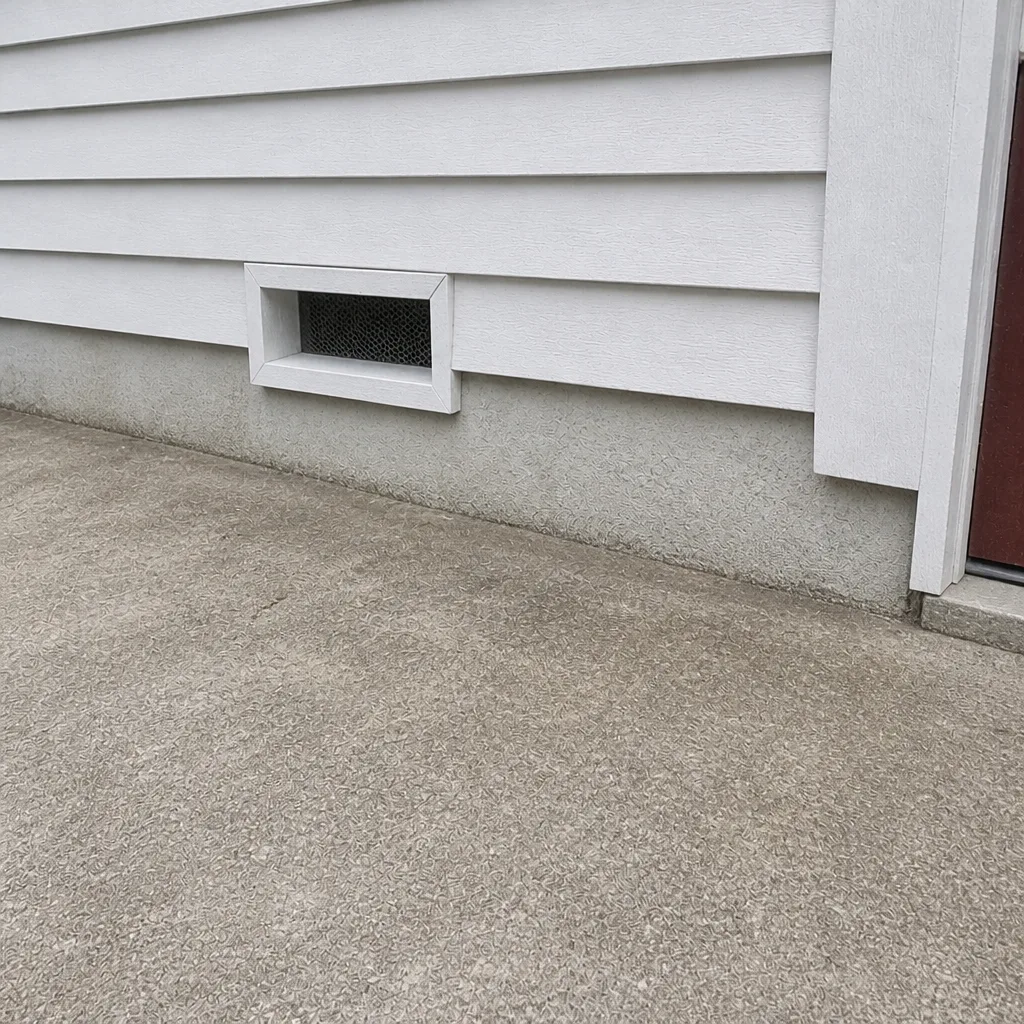
Whole-system duct and dryer vent check with before-and-after photos - you see exactly what came out of your vents
That "$99 whole-house special" is a bait ad - the real number appears once they are in your hallway, or the "clean" is a shop-vac at the register. We photograph the inside of your ducts before and after instead.
Seasonal Air Duct Cleaning Care for Charleston: Year-Round Homeowner’s Guide
Most Charleston homeowners clean their ducts in spring because “that’s when you do it.” But late spring is exactly when oak pollen and mold spore counts peak at the same time, which means the standard cleaning window lands you squarely in the worst contamination period rather than ahead of it. The better approach is to match duct care to what each season is actually doing to your system. Charleston’s climate doesn’t stress ductwork evenly across the calendar. Winter cold snaps, spring pollen loads, summer humidity, and hurricane season each create a different kind of risk. This guide maps a specific action plan to each season so you’re cleaning ahead of contamination, not reacting to it.
Quick Answer
The best time to schedule air duct cleaning in Charleston is typically late fall, after pollen season and summer humidity have passed but before winter heating begins. That said, the right schedule depends on your home, your system, and what each season puts into your ducts. The most useful calendar follows a clear pattern: inspect in winter, clean in late spring after pollen drops but before humidity peaks, watch for humidity damage in summer, and schedule a full inspection and cleaning in fall before hurricane season winds down and heating starts.
Styles & brands we work with
- Whole-home duct cleaning
- Dryer vent cleaning
- Camera inspection
- Sanitizing & deodorizing
Table of Contents
- Why Duct Care Changes With the Charleston Calendar
- Winter: The Condensation Problem Nobody Warns You About
- Spring: Oak Pollen and the Return Plenum Risk
- Summer: What Sustained Humidity Does to Flex Duct
- Hurricane Season: The Post-Storm Inspection Protocol
- The Optimal Cleaning Window for Charleston
- Your Year-Round Duct Care Checklist
- Professional Service vs. DIY: When to Call
Why Duct Care Changes With the Charleston Calendar
Your duct system is not a static tube. It’s an environment. Temperature, humidity, the amount of particulate in the air outside, and how hard your HVAC system is running all change month to month. In Charleston, those shifts are more pronounced than in many parts of the country because the seasonal swing between spring pollen loads and summer humidity is significant, and hurricane season overlaps heating season at both ends.
Think about what each season does to your home. In winter, the heating cycle alternates between warm dry air inside your ducts and brief cold snaps outside. In spring, oak trees release pollen at a rate that coats every outdoor surface, and that pollen enters the return air path. In summer, humidity stays elevated for months, and your system runs longer and harder to keep up. In fall, hurricane season peaks in September and October, and then heating season starts while the last of the storm season winds down.
Each of those conditions asks for a different response. A single annual cleaning in April is doing you a favor in one month and missing the two most important windows in the rest. Matching the action to the season is the difference between maintenance and waste. This guide covers every season separately, but they work as a system. The actions in one quarter set up the next.
If you’ve already noticed musty air, uneven room temperatures, or a system that seems dustier than it should be, the seasonal timing is a good thing to get right, but you shouldn’t wait if there’s an active problem. A professional assessment can tell you which window makes sense for your specific home.
Winter: The Condensation Problem Nobody Warns You About
Charleston winters are mild compared to northern cities, but the occasional hard freeze matters for your ducts in a way most homeowners don’t consider: condensation. When warm air from your heating cycle meets a cold duct surface, moisture forms inside the duct system. This happens most often during short cold snaps, when the system is working hard, then idles, then ramps back up. Over a few cold days, that cycle can deposit moisture on the interior walls of ducts, in boots, and at connections where flex duct meets rigid trunk lines.
That condensation is a problem because it creates a moisture source in a dark, enclosed space. That’s an ideal condition for biological growth on duct surfaces, and it can accelerate corrosion at metal seams and joints. You won’t see it from the register side, and you won’t smell it right away. The visible sign usually shows up weeks later as musty air from a specific room, or as discoloration around a ceiling boot.
What to inspect after a cold snap:
- Check your air filter. A filter clogged with dust and moisture restricts airflow and makes the condensation cycle worse.
- Look for water stains or discoloration around ceiling registers and floor boots. That’s where moisture escapes first.
- Smell the air at each register individually. Musty air from one register and not others points to a specific duct run.
- Check your condensate drain line and pan. Winter heating doesn’t produce condensate the way cooling does, but a system that ran cooling in early fall can have leftover drainage issues that interact with heating operation.
None of this is a reason to panic. Most homes come through winter fine. The point is to look. Winter inspection is the low-cost step that prevents a summer cleaning bill from being larger than it needs to be. It also gives you a baseline: if you know your ducts were dry and clean in January, the musty smell in July is easier to trace to a specific source.
If your system is old enough that you’re unsure whether the flex duct has moisture damage, this is a good time to have a technician look at the accessible sections. Duct repair is a core part of what we do, and moisture damage in winter is one of the most common findings we run into when we inspect Charleston homes.
Spring: Oak Pollen and the Return Plenum Risk
Spring is Charleston’s highest-risk season for organic accumulation in the duct system. Two conditions overlap: oak pollen season and rising humidity. Oak pollen is fine, abundant, and easily drawn into the return air path. As humidity rises, pollen that would otherwise stay dry and inert becomes a food source for mold and mildew in the warm, dark environment of your return plenum and duct runs.
The return plenum is the large duct section right at the air handler where all return air converges before being filtered and recirculated. It sees more airflow, more particulate, and more temperature swing than any other part of the duct system. That makes it the first place organic material builds up in spring. If your system has a filter with a low MERV rating, or a filter box that doesn’t seal tightly, more pollen bypasses the filter than you’d expect.
Spring cleaning timing matters. Here’s the trade-off:
- Clean too early (late February or early March): you remove the residue from winter, but pollen season hasn’t started. The ducts will start collecting again within weeks.
- Clean too late (late April or May): you’ve allowed the pollen-and-humidity overlap to run for weeks, which is exactly the accumulation window you want to head off.
- Clean in mid-spring (roughly late March to mid-April, after the worst of the oak drop but before humidity stays elevated): you clear out winter residue and the first wave of pollen before it can become a biological problem.
Exact timing shifts year to year based on when the trees drop, so it’s worth watching local pollen reports. If you’ve had a mild winter and a warm early March, the drop comes earlier. If you’ve had a late cold snap, it comes later.
During spring, also check your filter monthly. The standard quarterly filter change isn’t enough in Charleston’s spring. Replace or clean the filter every four to six weeks during pollen season, and consider a higher-efficiency filter if your system can handle the pressure drop. Alongside professional-grade filtration, we work with Honeywell and Aprilaire filtration options and can give you an honest read on what your system can support without restricting airflow.
Summer: What Sustained Humidity Does to Flex Duct
Summer humidity in Charleston is the real long-term test for a duct system. Your HVAC runs almost continuously, pushing cool air through ducts that are often in attics and crawl spaces. When the duct system is working as designed, that’s fine. When there’s a compromise anywhere, the result shows up as moisture damage inside the duct, not just inefficiency.
Flex duct is the part to watch. It’s a plastic-lined, wire-reinforced tube, and it’s the most common material in Charleston residential retrofits and additions. Its weak points are the liner inside the tube and the insulation jacket outside. If the liner is torn, the fiberglass insulation underneath becomes exposed to airflow, which means it goes straight into the air you breathe. If the jacket is damaged or pulled back from a connection, humid attic air condenses on the cold duct surface, wets the insulation, and slowly degrades everything around it. The result: air loss, efficiency loss, and a moisture source hidden from view.
What to look for before fall:
- Inspect exposed flex duct runs in the attic or crawl space. Look for tears, compressed sections, or disconnect points at boots and collars.
- Check for wet insulation around any duct joint. Damp insulation smells, and it stays damp for weeks in Charleston’s summer.
- Have the system pressure-tested or inspected if you’re seeing uneven cooling or hot rooms that didn’t used to be hot.
- Look at your cooling bill compared to last summer. A duct that’s lost its seal leaks conditioned air into the attic, which shows up as higher runtimes and higher bills.
Summer is also the season when condensed moisture on cooling coils and drain pans matters most. If condensate can’t drain from the air handler, it backs up into the duct system. That’s a situation that needs a technician, not a filter change. If you smell musty air or find water stains near the air handler, don’t wait for fall.
Where flex duct damage is found, repair is often a better option than replacement. UV-resistant wrap, replacement sections, and properly resealed connections restore the system without ripping out everything. We repair what we find during service, and we document the before-and-after state of the duct system so you can see the difference.
Hurricane Season: The Post-Storm Inspection Protocol
Charleston hurricane season runs June through November, and it overlaps both the summer humidity window and the start of heating season. Most of the seasonal stress a storm puts on your duct system comes from moisture intrusion, not from wind. Even a storm that doesn’t cause obvious roof damage can push water into places you never see, including attic duct insulation, soffit vents, and the top plates of interior walls.
If your home took on any water during a storm, run this protocol before you turn the HVAC back on for regular use:
- Check the attic and crawl space for visible water. Look at the insulation around duct runs first. Wet fiberglass is heavy, dark, and compressed.
- Smell each register individually. A musty smell at one or two registers and not others points to a duct run that got wet.
- Look at ceiling stains, baseboards, and door frames. These are the indirect signs of moisture that has migrated from where it entered. Any stain near a duct run is a red flag.
- Don’t run the system until an inspection clears the ductwork. Pulling air through a wet duct system spreads moisture and any biological growth that has started to form.
- Set up multiple dehumidifiers in the affected rooms if the home stayed dry inside but the attic got wet. Attic humidity migrates down through the ceiling plane, and duct surfaces are often the coldest surface in the attic.
- Schedule a professional duct inspection if there’s any sign of intrusion. Storm season is exactly when the difference between a quick surface clean and a full containment-and-abatement approach matters.
For homes that took on serious water intrusion, a standard cleaning isn’t enough. If the ductwork itself has been submerged or saturated, professional remediation is the only responsible course. Our Abatement Technologies air scrubbers run during service to capture airborne contaminants rather than recirculating them back through the home, and that’s a meaningful difference in a post-storm environment.
Even homes that stayed dry during a storm have a reason to inspect in September and October. Pressure changes as storms move through can pull air and moisture into places it doesn’t normally go, and the duct system is one of those places. A quick post-storm walkthrough catches those issues before heating season locks them in. If you’re unsure whether your home had intrusion, a walkthrough and a professional inspection are worth the time. We’ll tell you what we find, including whether the duct system needs actual repair work.
The Optimal Cleaning Window for Charleston
The most common scheduling mistake is cleaning in early spring, before the oak pollen drop. You pay for a cleaning and then spend the next eight weeks filling the ducts back up with pollen and the mold spores that follow. The second most common is waiting until the weather warms and spring is “over,” which lands you in the humidity peak with an already-loaded duct system.
Here’s why the window matters:
- Cleaning in late fall (October through November) removes the pollen accumulation from spring, the organic buildup from summer humidity, and any storm-season residue. It then leaves the duct system clean for the heating season, when you’ll be running the system for months and recirculating whatever is in it.
- Cleaning in late spring (after the pollen drop, before humidity locks in) is the second-best window. It clears winter residue and early pollen before the biological window opens. It’s not as good as late fall because you’re still moving into the highest-humidity months with a fresh-clean system that will pick up particulate through summer.
- A full cleaning in both windows is overkill for most single-family homes in Charleston. It becomes the right schedule for homes with pets, older adults, young children, or anyone with respiratory sensitivity, or for homes that have had a renovation or a moisture event.
How often you need a cleaning depends on more than the calendar. Homes with pets, homes on busier streets, homes near construction, homes with a low-MERV filter, and homes where the HVAC runs continuously all build up contamination faster. A typical cleaning interval for a Charleston home is every three to five years when the system is healthy, but that interval shortens for the conditions above.
If you’ve been scheduling in April for years, the switch to late fall isn’t a big change. Just move the appointment back six months and you’ll be cleaning ahead of contamination instead of behind it.
Your Year-Round Duct Care Checklist
This is the working calendar we recommend for a Charleston home. It pairs the inspection and cleaning actions with the seasonal window that makes the most of each.
- January through February (winter): Change the filter. Inspect registers for musty smells and ceiling boots for moisture. Look at accessible flex duct in the attic for condensation and sagging. Schedule an inspection if any sign of a problem exists.
- March through April (early spring): Replace the filter every four to six weeks during the pollen drop. Note when local oak pollen peaks so you can time a cleaning after it. Check return plenum access for visible dust loading.
- April through May (late spring): Complete your annual cleaning if you chose this window. Confirm filter type is appropriate for the season and the system’s capacity.
- June through August (summer): Check attic and crawl space ducts for wet insulation. Confirm condensate drains are clear. Watch for uneven cooling and higher cooling bills, which are signs of a leaking duct.
- June through November (hurricane season): After any storm, walk the attic and crawl space. Smell each register. Check for water stains near duct runs. Inspect before running the system if any sign of intrusion exists. Consider having a professional inspection if the home took on water.
- September through October (fall): This is the ideal window for a full air duct cleaning in Charleston. Schedule before the heating season starts. If you haven’t cleaned in more than three years, or if you have pets, allergies, or a recent renovation, this is the appointment to book.
- November through December (early winter): Confirm the filter was changed before heating season. Do one more walkthrough of accessible duct runs. Note any noises, musty smells, or uneven heating that need attention.
That’s the whole schedule. It’s not complicated, but the seasonal ordering matters more than the timing of any single step. Following it means you’re working with the calendar instead of against it.
Professional Service vs. DIY: When to Call
A homeowner can handle the filter changes and visual inspections in this guide. Some of it, like closing off return air, checking registers, and walking the attic, is exactly the kind of routine maintenance you should be doing yourself. The line between “do it yourself” and “call a professional” is about equipment and access.
DIY duct cleaning is limited to the registers and the easily accessible ends of duct runs. Everything past the first few feet, everything in the return plenum, and everything in the air handler is manufacturer territory. A shop vac at the register pulls surface dust and disrupts accumulated material without capturing it. That material goes back into the air, and then into your lungs and your system.
Professional duct cleaning uses a fundamentally different approach. Contact cleaning with rotating brushes and simultaneous HEPA extraction loosens contamination from the duct walls and pulls it out in the same pass. Our Rotobrush and Nikro systems are in the equipment tier used on commercial and restoration-grade projects, not consumer machines rebadged for residential sale. That difference matters most in exactly the situations where you need a real cleaning: the post-storm home, the home after a renovation, the home with older adults or respiratory sensitivity, and any home where the ducts haven’t been touched in years.
Here’s when to call rather than DIY:
- Visible surface dust in the duct runs beyond the register.
- A musty smell that comes back after filter changes.
- Any sign of water intrusion in the attic or near a duct run.
- A recent renovation that put construction dust into the return path.
- Uneven cooling, hot rooms, or rising cooling costs that don’t have another obvious cause.
- Dryer taking longer than it should (that’s the dryer vent, a separate service, but the same equipment story applies).
Duct repair is the piece most discount cleaners can’t do. When the inspection finds a torn liner, a disconnected boot, or a compressed flex section, that’s a repair problem, not a cleaning problem. We handle it in the same visit as part of our three-service approach: air duct cleaning, dryer vent cleaning, and air duct repair, all in one focused trade.
Common Mistakes to Avoid
- Scheduling the annual cleaning in early spring. It’s the most common mistake Charleston homeowners make. See the pollen drop, clean the ducts, fill them back up within weeks. Move the appointment to late fall and you get a full year of cleaner air from the same spending.
- Assuming a quarterly filter change is enough in spring. In Charleston’s pollen season, a four-to-six week filter change is closer to what your system needs. The extra filter changes cost less than the second cleaning.
- Ignoring a musty smell after a cold snap. Musty air after winter condensation is a duct-moisture issue, not a “house smell.” It usually means biological growth has started somewhere in the return path.
- Skipping the post-storm walkthrough. It’s easy to assume the storm passed nothing into the house. It’s also easy to miss moisture in the attic insulation around a duct run. A quick inspection costs less than a full remediation.
- Choosing a cleaner purely on price. A shop-vac-and-coupon service delivers a surface clean at a low price. A professional containment-and-extraction cleaning costs more because it captures what’s actually in the ducts. The cheapest quote rarely comes with equipment in the professional tier. A flat price per system agreed before work starts is a fair comparison point.
- Assuming all flex duct damage is a cleaning problem. Torn liner, wet insulation, and disconnected sections need repair, not cleaning. A specialist who does both can find the problem and fix it in one visit.
- Waiting for visible dust to call. The ducts can build up significant contamination before it shows at a register. If you’ve had a renovation, a moisture event, or three-plus years since the last cleaning, book the inspection ahead of the visible sign.
See the difference
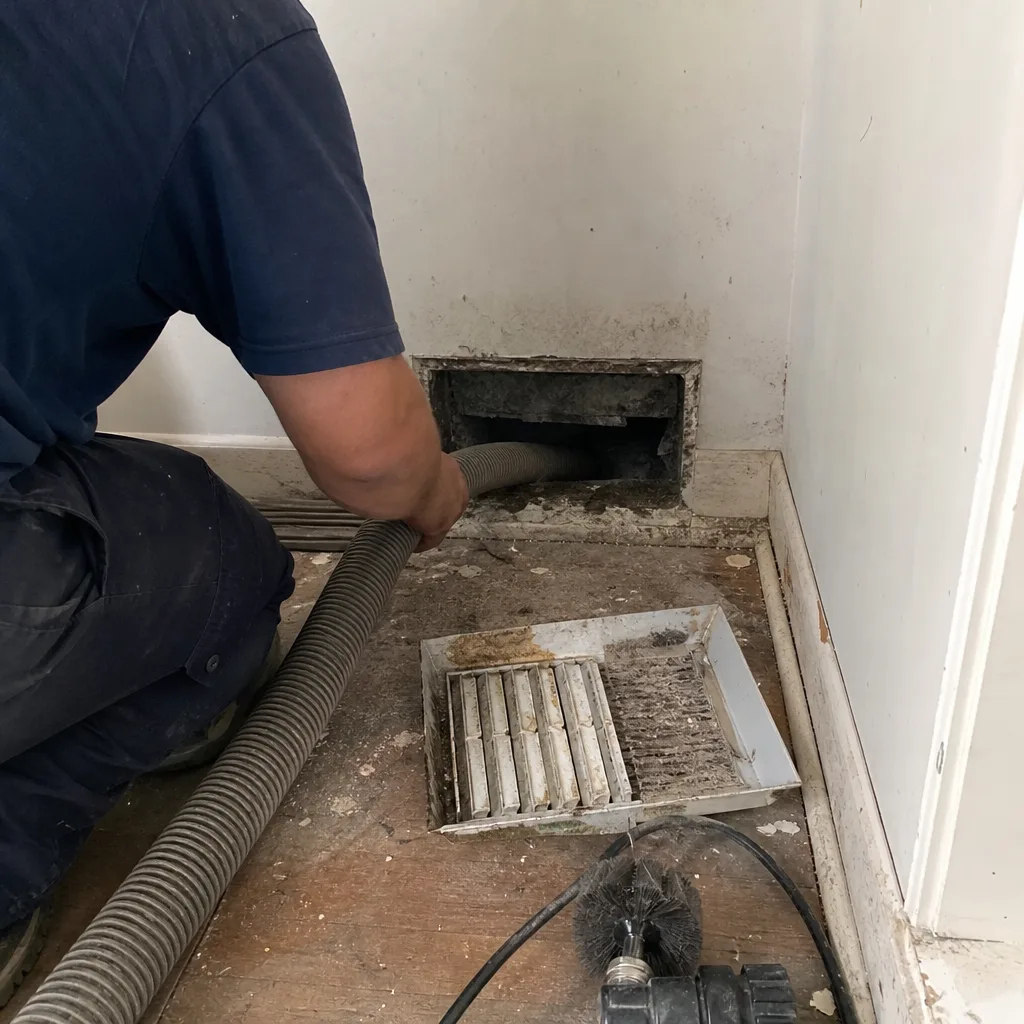 Before
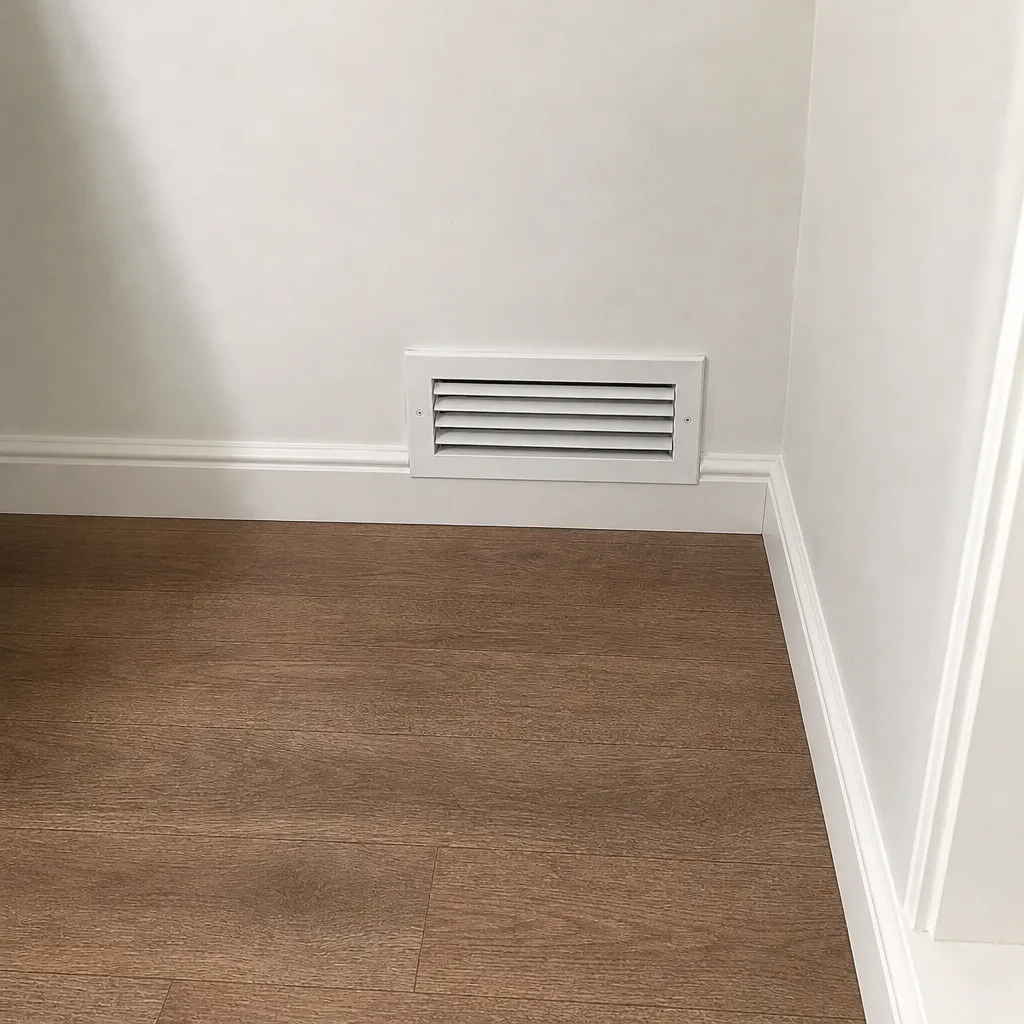 After
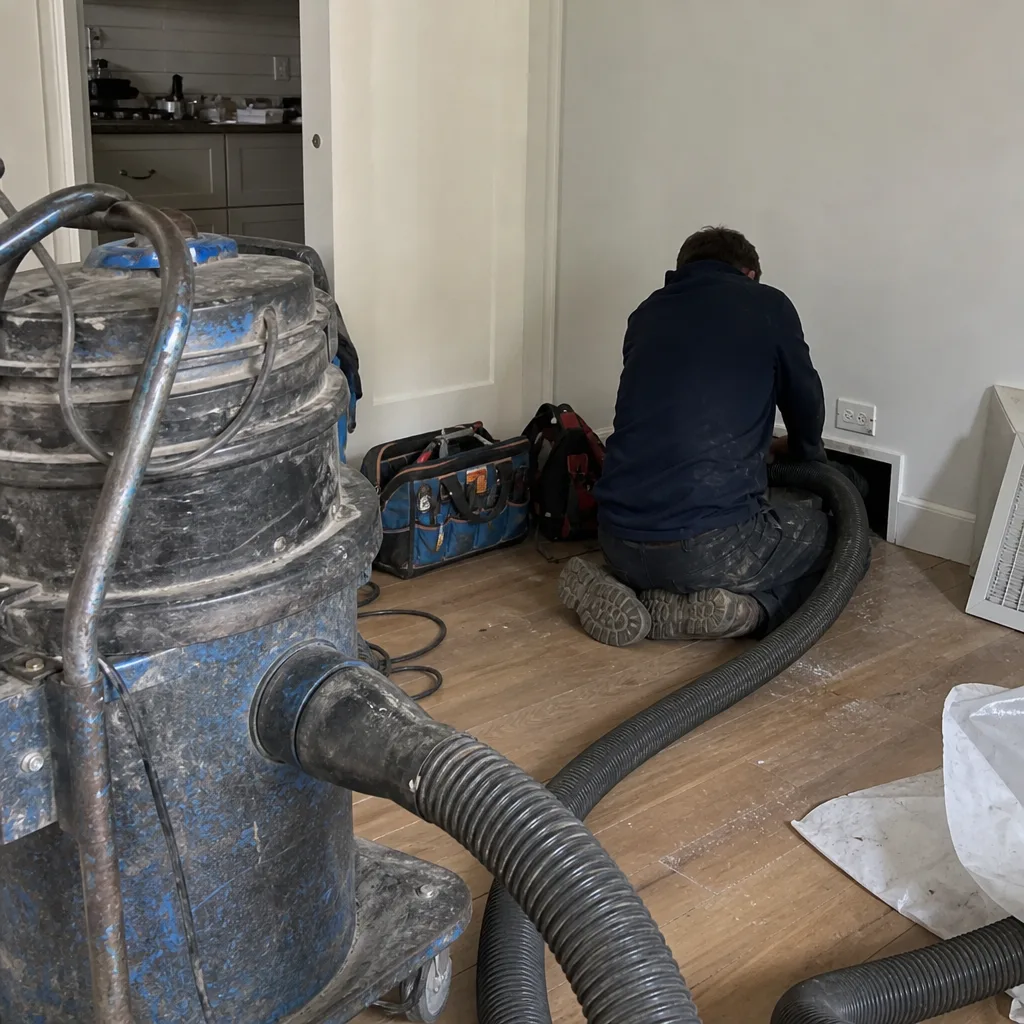 Before
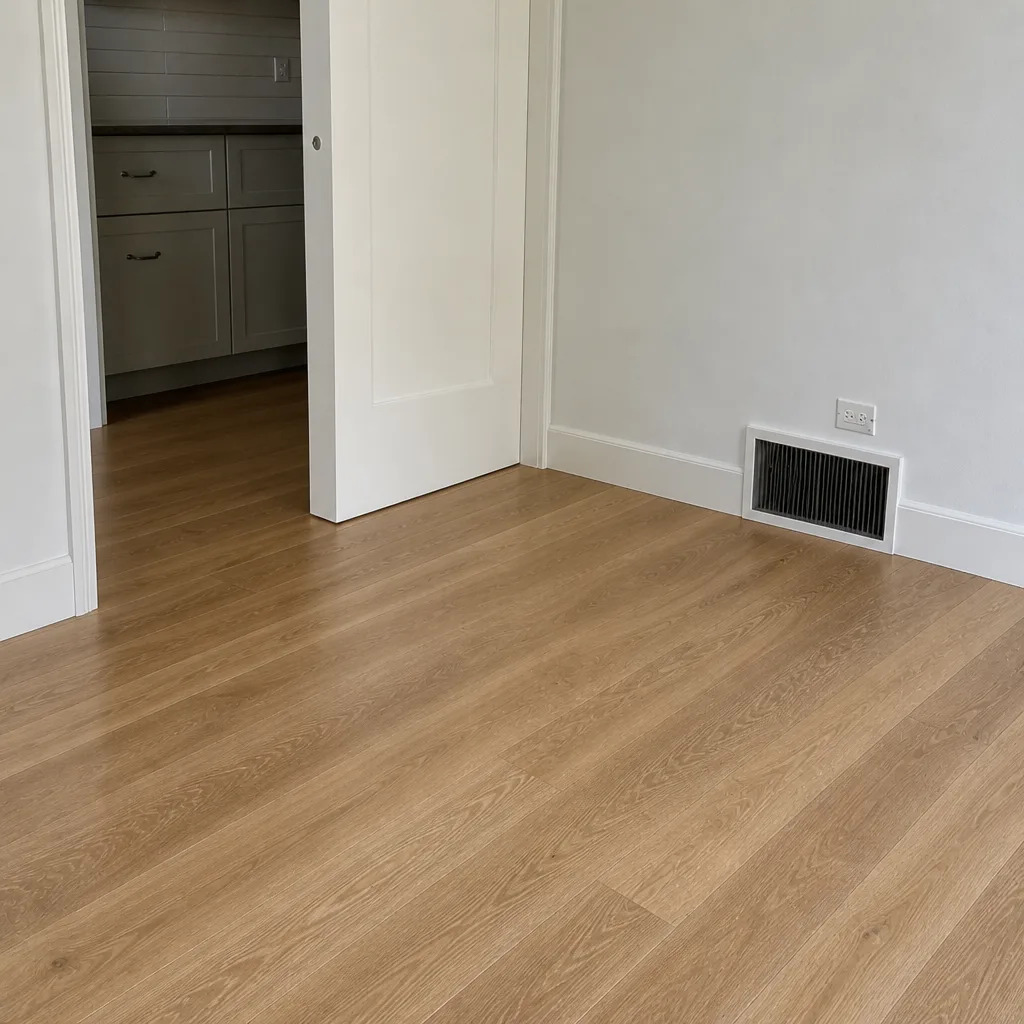 After
 Before
 After
When to Call a Professional
Call a professional for any of the following: a musty smell that returns after filter changes; visible dust in the duct runs or air handler; any sign of water intrusion near a duct run or in attic insulation; a recent renovation that put debris into the return path; uneven heating and cooling or rising energy bills without another explanation; or a dryer that’s taking noticeably longer to dry clothes. The last one is a duct symptom, not a dryer symptom.
If you’re in Charleston and any of those apply, an inspection tells you whether you need a cleaning, a repair, or both. We use Rotobrush and Nikro systems, run Abatement Technologies air scrubbers on-site during service, and repair what we find. One specialist, three services, one visit, one flat price agreed before work starts.
Frequently Asked Questions
Late fall (October through November) is the best time to clean air ducts in Charleston. You clear out spring pollen, summer organic buildup, and any storm-season residue, then leave the system clean for heating season. Early spring is the most common but least effective window because the oak pollen drop is still ahead of you.
Every three to five years suits most Charleston homes when the system is healthy. Homes with pets, allergies, older adults, or recent renovations need cleaning more often, usually every two to three years. The right way to decide is an inspection, not a calendar guess.
Yes. Hurricane season pushes moisture into places you can’t see, including attic duct insulation and crawl space duct runs. Even a storm that doesn’t cause obvious damage can wet the duct system. The right move after any storm with water intrusion is an inspection before you run the system, not a cleaning appointment.
Cheap quotes usually mean a shop vac with a rotating brush and a coupon, not a professional HEPA extraction system. The difference is what happens to the dust the brush loosens. Professional containment captures it; a consumer-grade job recirculates it. When you compare quotes, compare equipment and process, not just the number. Call (888) 274-9947 for a free estimate with the scope of work clearly explained.
Cleaning removes accumulated contamination from the inside of the duct system. Repair addresses physical damage: torn flex duct liner, disconnected boots, wet insulation, or compressed sections that are hurting airflow. They’re separate problems, and plenty of homes need both. We do both, and we fix what we find rather than handing out a referral slip.
You should. Any legitimate process documents the before and after. We photograph the duct interior as part of the service so you can see the difference. If a service won’t show you what was actually cleaned, that’s worth knowing before you hire it.
The Bottom Line
Charleston’s four seasons stress your duct system in different ways, and a flat annual cleaning misses the timing that matters. The working schedule is: inspect in winter after cold snaps, watch filter changes during spring pollen, check flex duct in summer humidity, walk the system after every storm, and book the full cleaning in late fall. Doing that gives you cleaner air, a system that runs closer to its rated efficiency, and fewer surprises when the heating or cooling season starts. When the inspection turns up something that needs repair, one specialist can do the cleaning and the repair in the same visit. Cleaner air starts inside the ducts, not just the filter, and the right seasonal timing is how you keep it there.
If you’re ready to get your ducts on a real schedule, call Charleston Duct Cleaning for a free estimate: (888) 274-9947. We answer 24/7. Fast dispatch from 7am to 7pm, Sunday through Friday.
Written by the team at Charleston Duct Cleaning.